
Last updated November 20, 2026
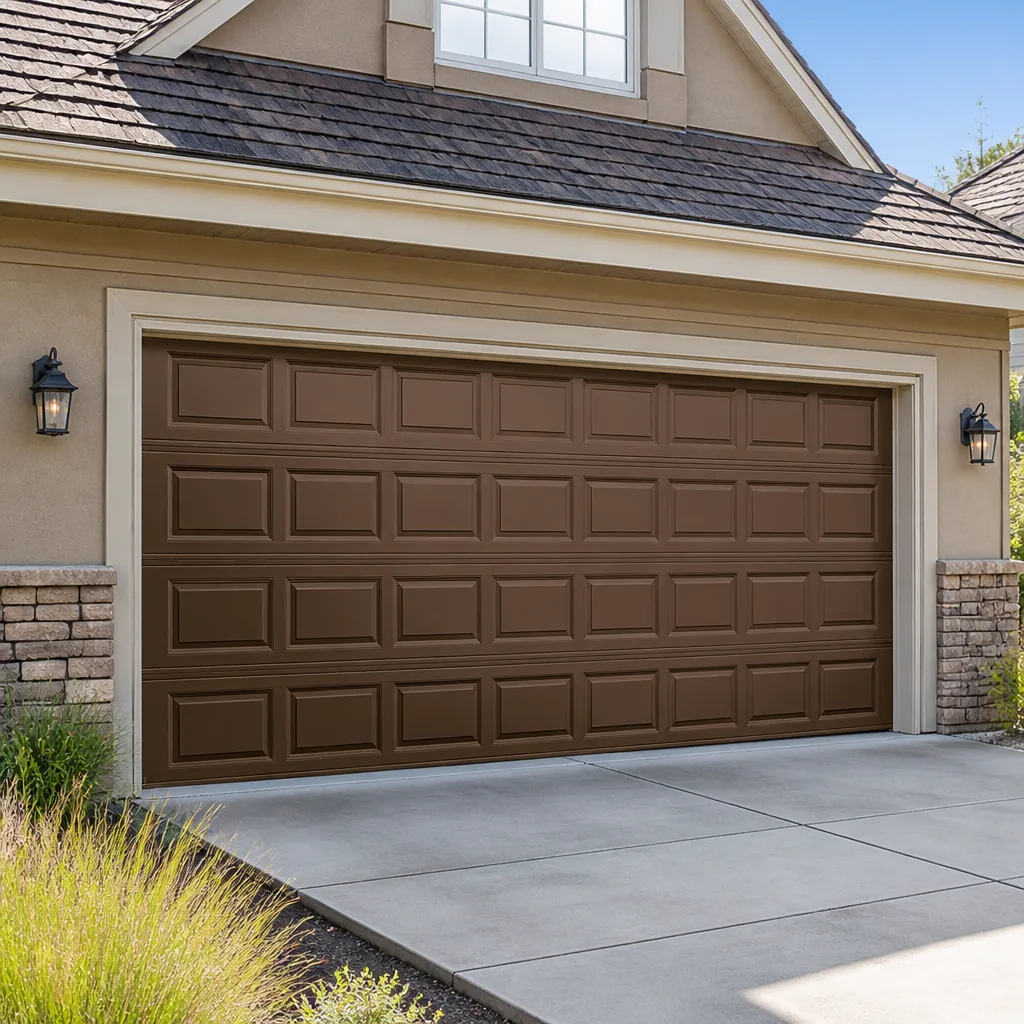 Raised-panel steel
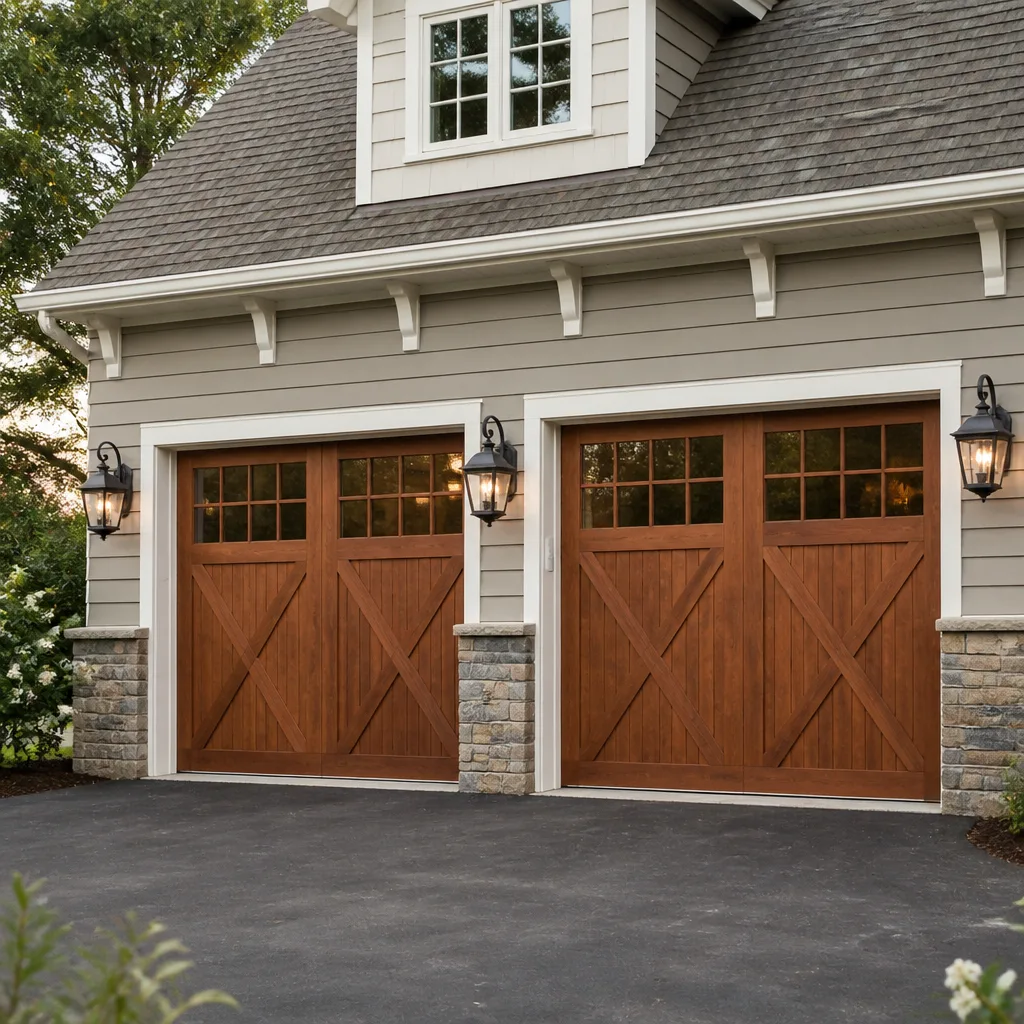 Carriage house
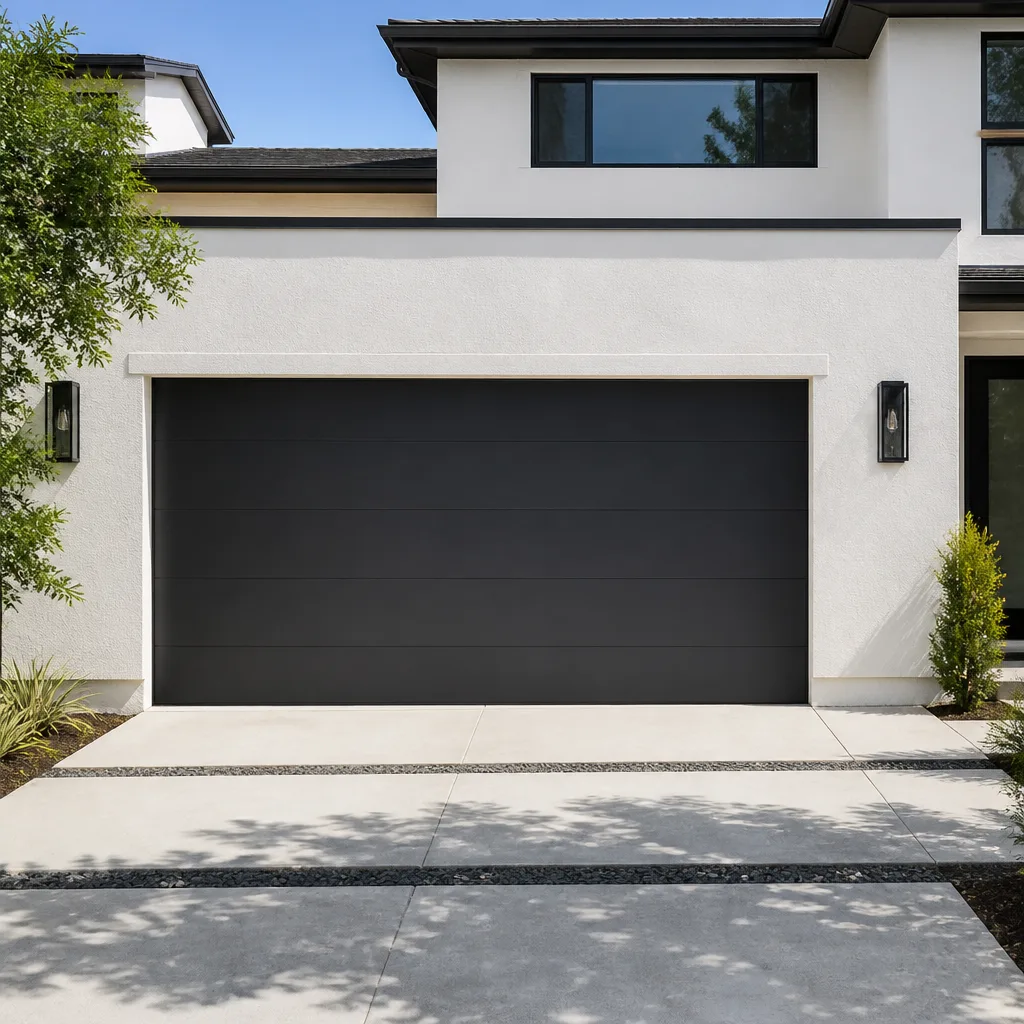 Modern flush
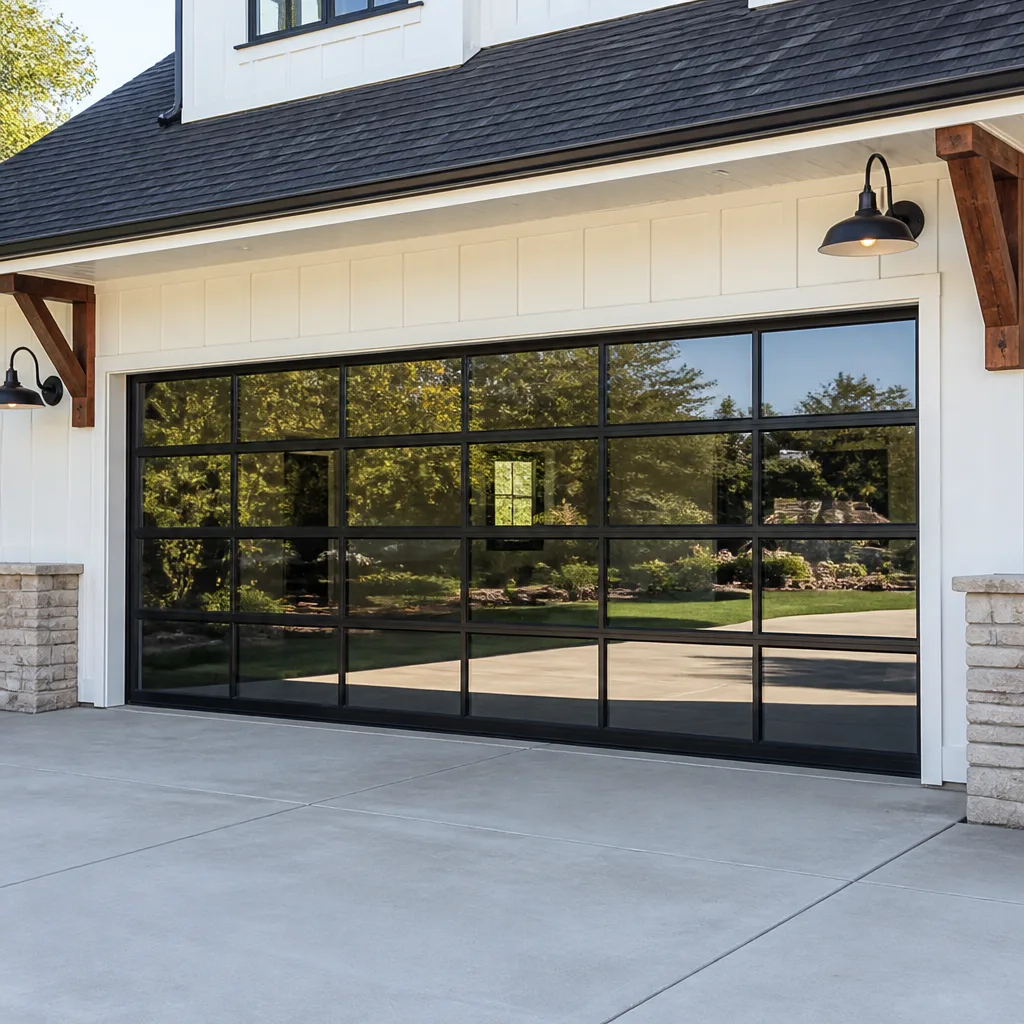 Full-view glass
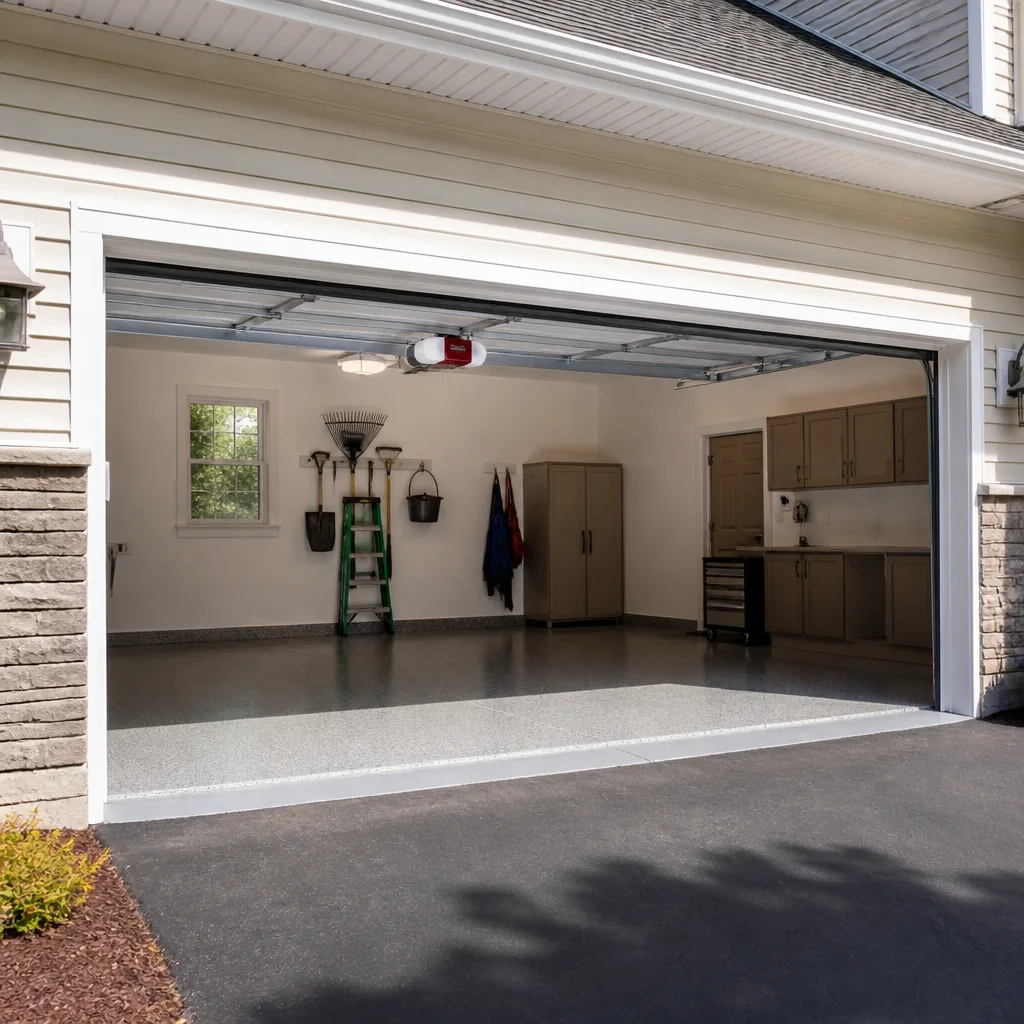 LiftMaster openers
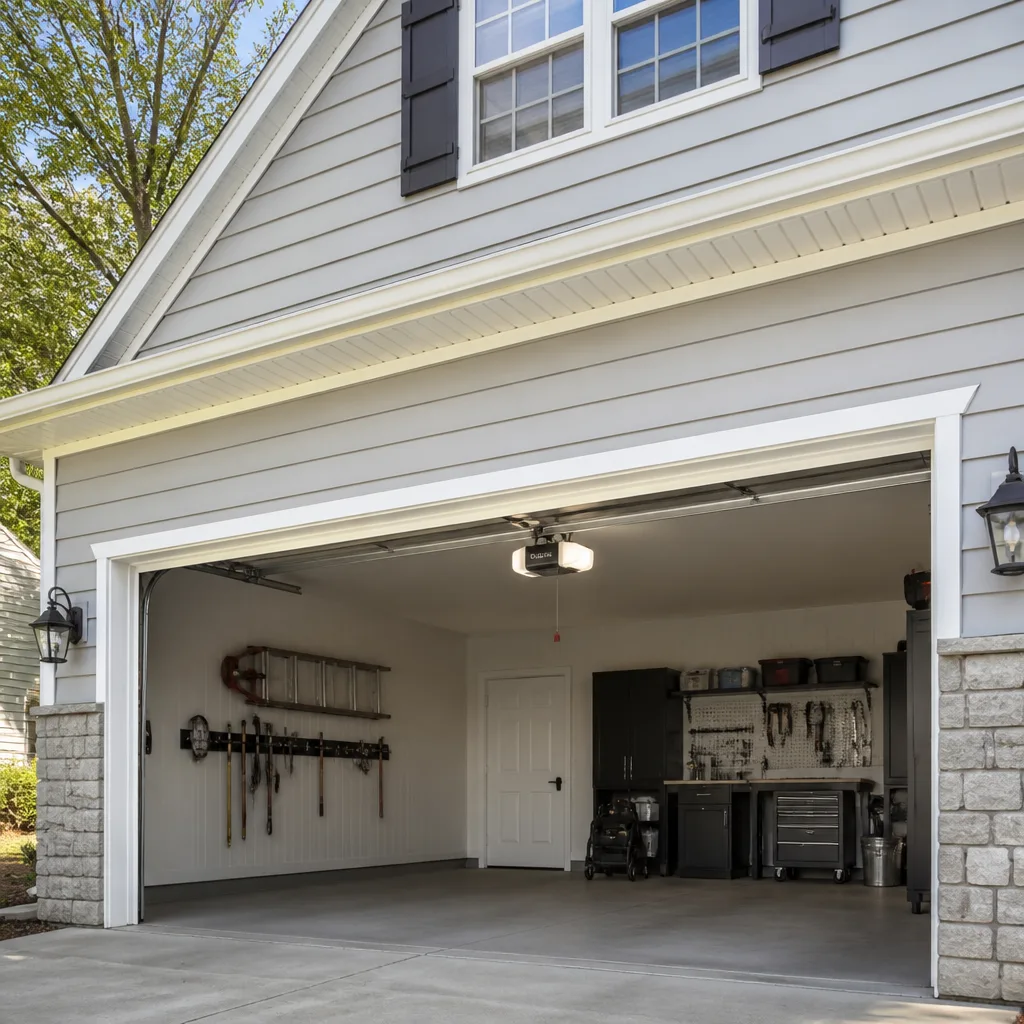 Chamberlain openers
Full 25-point door and opener safety check with every visit - springs, cables, rollers, tracks, and your LiftMaster or Chamberlain opener included
You get a price before we start. It does not change when the pro arrives.
Get your free estimateChoosing the Right Garage Door Brand: A Buyer’s Guide for Norwood
Most garage door advice starts with the brand name on the front of a brochure, and that’s exactly backwards. The brand matters, but what matters more is whether the brand you buy can be serviced by any qualified technician in Norwood, or only by the dealer who sold it to you. Some manufacturers build proprietary spring and cable systems that quietly limit your repair options to a single company, and that company sets the price because you have nowhere else to go. This guide walks through how door and opener brands actually differ, what those differences mean for repair flexibility, and how to pick a brand that keeps your options open for the life of the door.
Quick Answer
For most Norwood homeowners, the right garage door brand is the one a local independent technician can service without going through the original dealer. That generally means a steel door from Clopay, Amarr, or Wayne Dalton paired with an opener from LiftMaster, Chamberlain, or Genie, all built on standard components. Compare steel gauge, insulation, and bottom seal design before you compare brand tiers, because those three details matter far more in a New England climate than the name on the label.
Styles & brands we work with
- Raised-panel steel
- Carriage house
- Modern flush
- Full-view glass
- LiftMaster openers
- Chamberlain openers
Table of Contents
- Why the Brand Question Is Really a Serviceability Question
- Opener Brands: Standard vs. Proprietary Components
- Door Panel Brands and What Actually Matters in New England
- Why Warranty Comparisons Are Mostly Noise
- The Serviceability Test: Ask This Before You Buy
- A Brand-Agnostic Decision Framework
- What Norwood Homes and Weather Do to a Garage Door
- Resale, Replacement Parts, and the Long View
Why the Brand Question Is Really a Serviceability Question
Every dealer will tell you their brand is the best. What almost none of them tell you is what happens on the day something breaks. That’s the question that should drive your decision, because a garage door isn’t a purchase you make once. It’s a system with springs, cables, rollers, tracks, hinges, panels, weather seals, and an opener, and every one of those parts wears out on its own schedule.
A door that uses standard, widely available components can be repaired by any competent technician who stocks or can source those parts. A door with a proprietary torsion system, a custom cable attachment, or a panel profile that only the original manufacturer produces puts you in a different position entirely. When a spring fails, your only call is to the dealer who sold you the door, and you take the price they give you.
We work on the brand you already have, and we’ve seen both sides of this. Standard systems are quick to repair and parts are easy to find. Proprietary systems turn a routine spring replacement into a parts-ordering exercise with one supplier. Neither situation is a crisis, but only one of them keeps your repair options open.
Norwood isn’t a market where you have dozens of garage door companies to choose from. That makes serviceability more important here than it might be in a bigger metro, because your realistic list of qualified technicians is short. A brand that any of them can service is worth more than a brand with a fancier brochure.
Opener Brands: Standard vs. Proprietary Components
Openers are the part of the system homeowners ask about most, and the good news is that the most common brands are built around broadly compatible technology. LiftMaster and Chamberlain share much of their internal engineering, Genie has its own established platform, and Craftsman openers were long built on Chamberlain-style designs. In practice, a technician who knows one of these systems can usually diagnose and repair the others.
What varies between opener brands, and what’s worth comparing:
- Safety sensor design. Every modern opener has reversing sensors at the door opening. The mounting style and wiring differ between brands, so replacing a sensor often means matching the brand.
- Logic board and remote pairing. Remotes and keypads are usually brand-specific. If you buy a LiftMaster opener, expect LiftMaster remotes, though universal aftermarket remotes exist for most common models.
- Battery backup. Some opener lines include battery backup built in, which matters in a storm-prone region where power can drop during a Norwood nor’easter.
- Drive type. Belt, chain, and screw drives behave differently in cold weather. Belt drives run quieter and are the usual choice for attached garages with bedrooms above.
- Smart connectivity. App control and Wi-Fi modules are more common on newer LiftMaster and Chamberlain models. It’s a convenience, not a repair consideration.
The practical takeaway: sticking with a widely owned opener brand like LiftMaster, Chamberlain, or Genie keeps your repair and parts options broad. Our technicians are trained on all three, along with Craftsman and Raynor, so when something fails you’re not hunting for a specialist in one brand. If your opener is already acting up, garage door opener repair is usually faster and less expensive than replacement, and it’s worth a diagnosis before you shop for a new unit.
Door Panel Brands and What Actually Matters in New England
Panels are where brand differences are real, and where the marketing gets loudest. Clopay, Amarr, and Wayne Dalton all make solid steel doors, and the honest truth is that a well-built door from any of them will serve you fine. The differences that matter in a Massachusetts climate are more specific than the brand name.
Steel gauge
Steel thickness is measured in gauge, and lower numbers mean thicker steel. A thinner panel dents more easily and flexes more under wind load. Ask for the gauge of the panel skin specifically, not just the door’s overall construction. Two doors from the same brand can differ significantly here depending on which product line you’re looking at.
Thermal break insulation
A thermal break separates the outer steel skin from the inner skin so cold doesn’t conduct straight through. In a Norwood winter, that difference shows up as condensation on the inside of the door and heat loss from any room sharing a wall with the garage. Doors with a proper thermal break and injected foam insulation hold up far better through freeze-thaw cycles than uninsulated steel panels, which can sweat and rust along the bottom edge.
Bottom seal design
This is the detail almost nobody mentions and the one that causes the most complaints. Norwood’s older concrete garage floors have often settled unevenly, so a door that seals perfectly on a showroom floor may leave gaps at one corner. A thicker, more flexible bottom seal with a deep profile closes those gaps better than a thin vinyl strip. If your floor is out of level, a seal that conforms is worth more than any brand upgrade.
Panel profile and replacement availability
If a single panel gets damaged, you want to be able to replace that panel rather than the whole door. Standard raised-panel and carriage-house profiles from Clopay, Amarr, and Wayne Dalton are widely stocked and easy to match. Highly custom profiles are not, so ask how a replacement panel would be sourced before you commit.
Why Warranty Comparisons Are Mostly Noise
Warranty length is the number dealers put on the front of the folder, and it tells you almost nothing on its own. What matters is what voids the warranty, because most common garage door repairs can quietly do exactly that if they’re done wrong or with the wrong parts.
A lifetime warranty on a door panel usually covers the panel skin against defects. It does not cover the springs, rollers, cables, or opener, which are the parts most likely to fail. Those typically carry much shorter coverage, and in some cases none. A “lifetime” door warranty with a two-year spring warranty tells you where the real wear happens.
Here’s where warranties get complicated in practice:
- Improper installation voids coverage. A door installed outside the manufacturer’s specifications can lose its warranty entirely, regardless of what fails later.
- Unauthorized parts can void coverage. Substituting a non-standard spring or a mismatched opener component is a common reason a claim gets denied.
- Lack of maintenance is an exclusion. Many warranties require periodic inspection and lubrication. Skipping it gives the manufacturer grounds to decline a claim.
- Cosmetic damage is excluded. Dents from a car bumper or a stray basketball aren’t defects, and no brand warranty covers them.
- Labor is usually separate. The parts may be covered while the labor to install them isn’t, which is where the bill actually lands.
When a company services eight major brands, they see how these warranties actually play out rather than how they’re described on a spec sheet. Our technicians are trained on LiftMaster, Chamberlain, Genie, Clopay, Amarr, Wayne Dalton, Craftsman, and Raynor systems, which means we’re familiar with how each brand handles claims and what tends to trigger a denial. Ask any dealer what specifically voids the warranty on the springs and the opener before you sign, and watch whether they answer directly.
The Serviceability Test: Ask This Before You Buy
Before you sign anything, run this test. It takes five minutes and it will save you far more than five minutes of frustration down the road. The core question is simple: can a local independent technician source replacement springs, cables, and panels for this door without going through the original dealer?
Here’s how to find out:
- Ask for the spring specification in writing. You want the wire size, inside diameter, and length. Standard torsion springs are manufactured by multiple suppliers and easy to source. If the dealer can’t or won’t give you the spec, that’s a signal.
- Ask whether the cables use standard fittings. Custom swaged ends or proprietary drum designs restrict who can safely replace them.
- Ask who else in the area can service this door. A confident dealer names other companies. A hesitant one is telling you something.
- Ask how a single damaged panel would be replaced. If the answer is “we’d order it from the factory,” ask how long that takes and what it costs.
- Confirm the opener uses standard remotes and sensors. Universal aftermarket options should exist for the model you’re buying.
All five answers should be straightforward. If any of them produce vagueness, treat that as a cost you’ll pay later. A door that only one company in Norwood can fix is a door with a built-in premium for the rest of its life.
A Brand-Agnostic Decision Framework
Forget the tier names. “Good, better, best” is a sales structure, not an engineering one. A better way to choose is to match the door and opener to your actual situation, which comes down to three questions.
1. Single or double door?
A single-car door is lighter, so it puts less stress on springs and the opener. A double door weighs significantly more, which means heavier springs and a stronger opener. On a double door, don’t cut corners on the spring system or the opener’s lifting capacity. The extra weight is working against both every single time you open it.
2. Attached or detached garage?
An attached garage shares a wall with your living space, which makes insulation and a quiet opener real priorities. A thermal break, injected foam panels, and a belt-drive opener make a noticeable difference in noise and comfort. A detached garage doesn’t share that wall, so you have more freedom to prioritize durability and cost over quiet operation and thermal performance.
3. How much weather exposure?
A garage facing the prevailing winter wind takes more punishment than one sheltered by the house. Norwood winters bring freeze-thaw cycles that stress seals and promote rust along the bottom edge. Doors with a proper thermal break and a flexible bottom seal handle that better than budget uninsulated panels. If your garage sits on a slope or takes runoff, that’s another reason to prioritize seal design over brand tier.
Our technicians have up to 15 years of experience across these setups, and the pattern holds: the door that fits the building performs better than the door with the better label. Whole-system fluency matters because springs, openers, panels, and tracks all interact. When you need work on the mechanical side, garage door spring repair is the service that benefits most from a technician who knows the exact system in front of them.
What Norwood Homes and Weather Do to a Garage Door
Norwood is an older commuter town, and much of its housing stock reflects that. Garages around the center, near the Neponset River, and through the surrounding neighborhoods often have concrete floors that have settled over decades. That matters for door choice more than most buying guides admit, because a settled floor means the bottom seal has to do more work than a seal on a new pour.
The climate adds its own pressure. Winters here swing between freezing and thawing repeatedly, and that cycle is hard on springs, cables, and seals alike. Cold makes steel more brittle and thickens lubricant, so springs work harder in January than they do in June. Humidity in summer works the other direction, rusting unprotected steel along the bottom edge where moisture collects.
What that means for brand choice in Norwood:
- Prioritize seal flexibility. A conforming bottom seal compensates for an uneven or settled floor better than a rigid one, and it’s the difference between a dry garage and a wet one.
- Choose insulation with a thermal break. Attached garages here benefit measurably from panels that separate the inner and outer steel skins.
- Plan for spring wear. Springs in this climate cycle through real temperature swings every year, so spring quality and serviceability matter more than they would in a mild climate.
- Keep the opener within its capacity. Cold makes a heavy door heavier, so an opener sized at the edge of its limit will struggle in February.
Norwood’s mix of older homes and tightly packed neighborhoods also means garage doors face frequent use. A door that opens and closes several times a day, every day, wears faster than a door on a weekend car. That raises the value of a door whose parts are easy to find and easy to replace.
Resale, Replacement Parts, and the Long View
A garage door is one of the most visible parts of a house. Buyers notice it before they step inside, and a door that looks dated or sticks when it opens leaves an impression. But the resale argument for brand choice is mostly about parts availability, not curb appeal alone.
When a buyer’s inspector checks the garage, they look at how the door operates. A door from a widely supported brand with easy parts access is simpler to maintain and less likely to raise questions. A door with proprietary components might prompt a call to the original dealer just to confirm what’s what.
Think about the door’s full life. It will likely go through several spring replacements, at least one opener replacement, and possibly a panel repair or two. Each of those events is easier and less expensive when the parts are standard and the technician doesn’t need to go through one source. Choosing a brand with broad parts availability is essentially buying yourself options for the next decade or two.
For homeowners considering a full door and opener replacement together, a single visit from one company that handles both saves coordination. Garage door repair and installation often overlap, and having one technician assess the whole system tells you whether you need a new door, a new opener, or just a repair. For the full range of what we handle, including new door installation, see Norwood Garage Door Repair.
Common Mistakes to Avoid
- Buying on brand tier alone. “Better” and “best” are marketing labels. Ask for the steel gauge, the insulation type, and the bottom seal design instead, because those are the details you can actually compare.
- Ignoring who can service the door. A door only one company in Norwood can repair is a door with a built-in premium. Ask who else can source parts before you buy.
- Skipping the bottom seal check. Old, settled concrete is common in Norwood garages. A thin rigid seal will leave gaps that let in water and cold, so check the floor and match the seal to it.
- Trusting warranty length without reading exclusions. A lifetime panel warranty that excludes springs and voids on unauthorized parts protects the manufacturer more than you. Read what voids it.
- Under-sizing the opener for a double door. A heavy door pushes an undersized opener harder, especially in cold weather. Match lifting capacity to door weight.
- Choosing an uninsulated panel for an attached garage. A garage that shares a wall with living space needs a thermal break and insulation to keep that wall warm and dry.
- Never checking for a proprietary spring system. Ask for the spring spec in writing. If the dealer can’t provide it, assume parts will be hard to source.
- Letting the door go unserviced. Many warranties require routine inspection and lubrication. Skipping it hands the manufacturer an easy reason to deny a claim.
See the difference
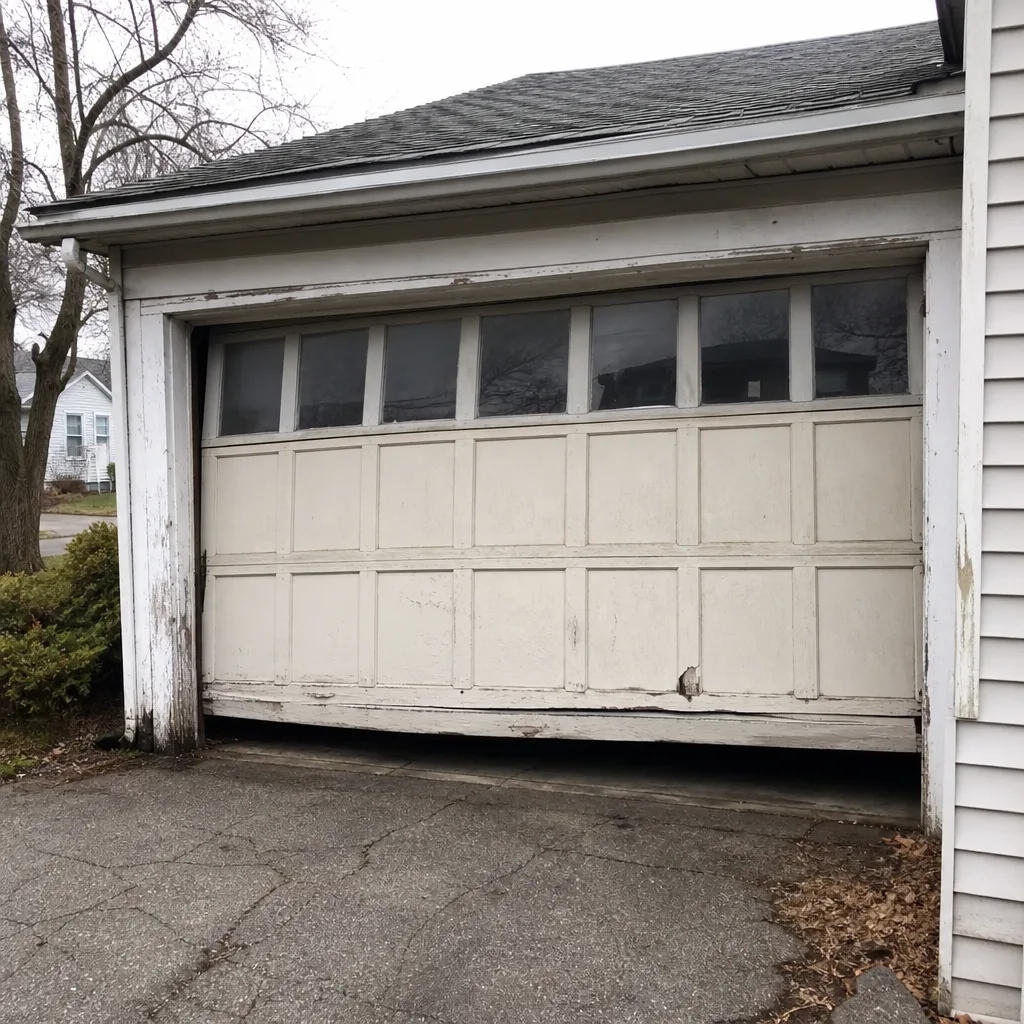 Before
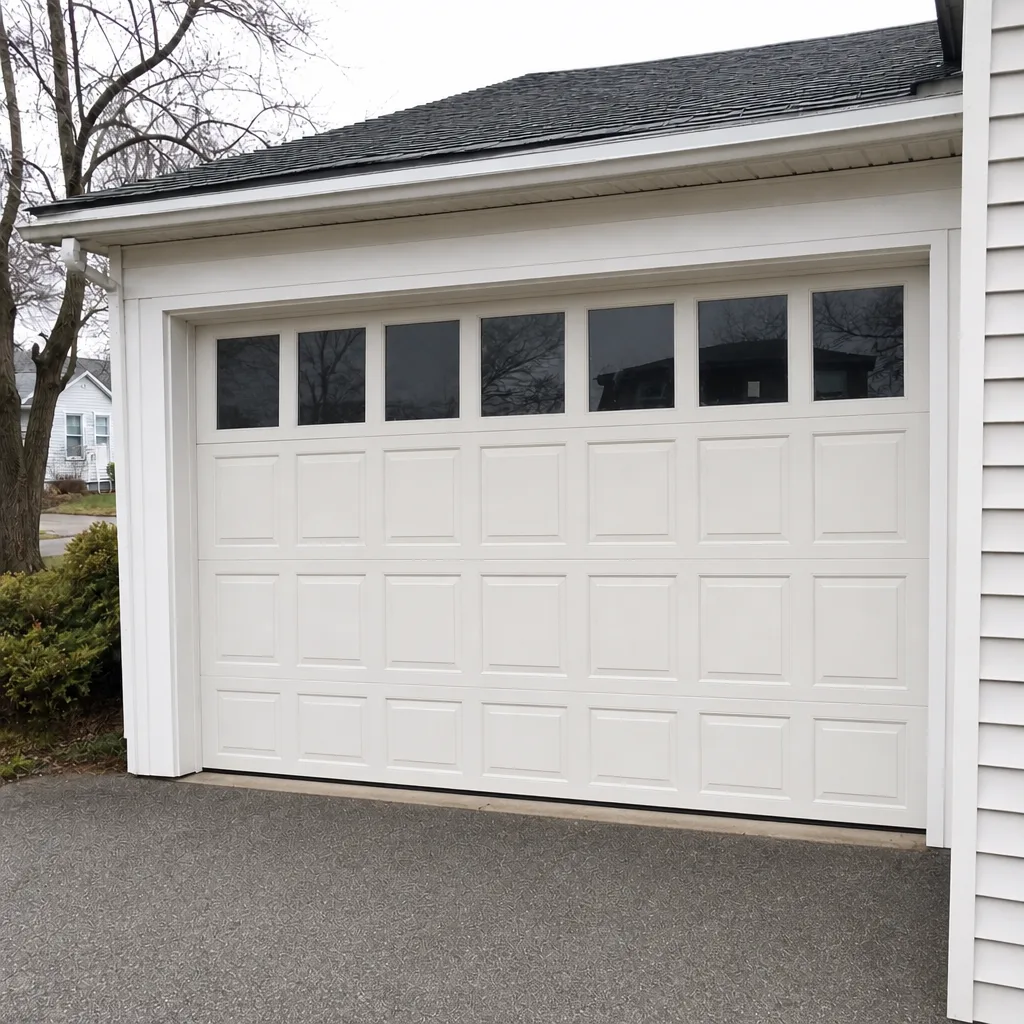 After
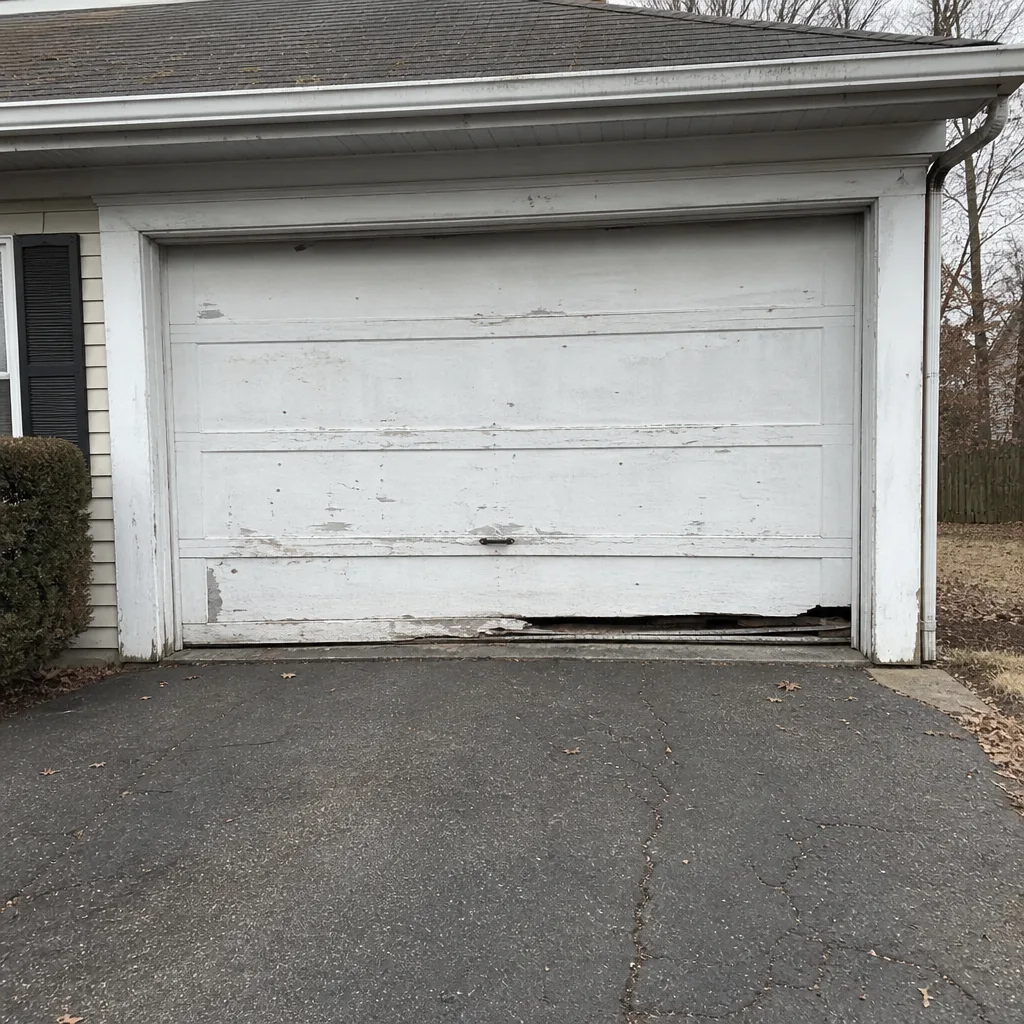 Before
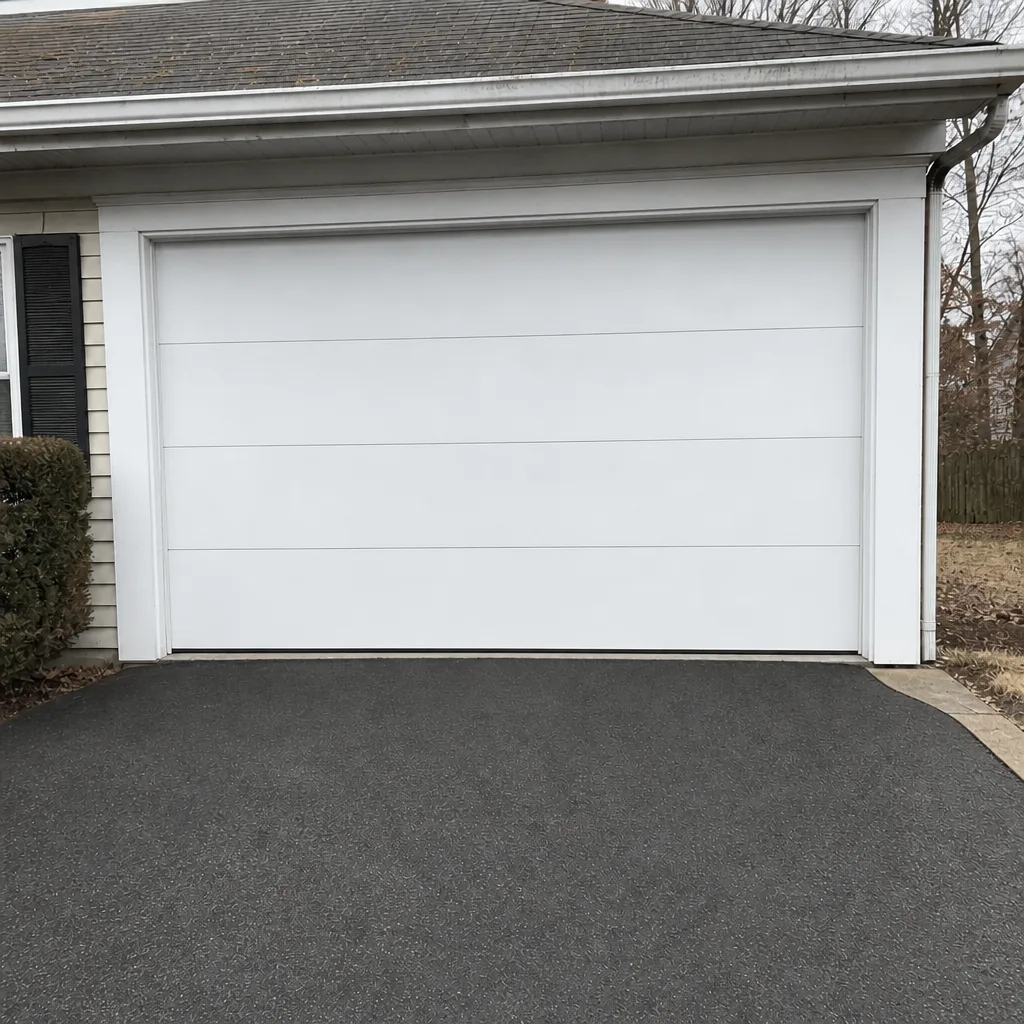 After
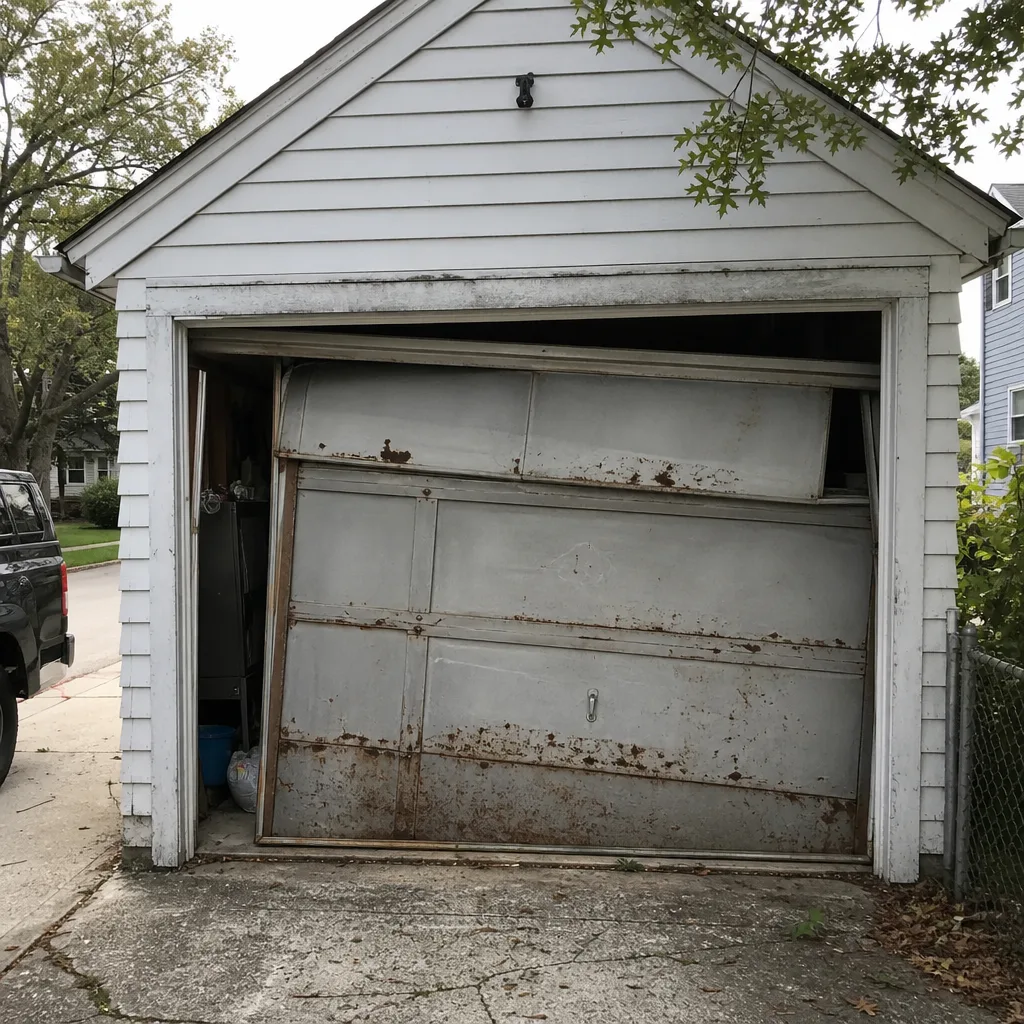 Before
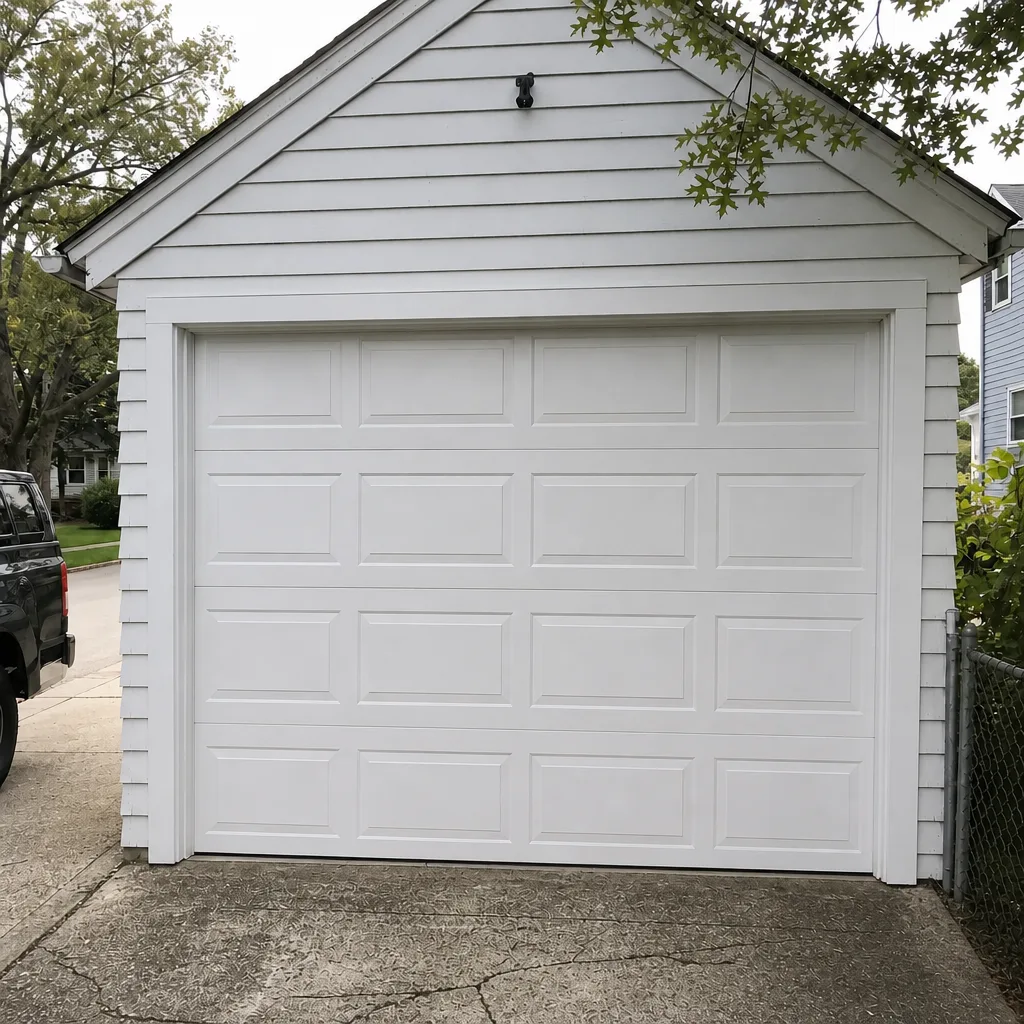 After
When to Call a Professional
Some jobs are worth a phone call the moment something looks wrong. A snapped spring, a door that hangs crooked, a cable that’s come loose, or a door that won’t close all the way are all signs to stop using it and get a technician out. Torsion and extension springs are under extreme tension, and the tools and training required to work on them safely aren’t things to improvise. Our technicians are trained on those systems, and we handle the mechanical side along with opener diagnostics and new installations, so one call covers the whole job.
If your door is stuck open or won’t close securely, that’s an emergency, not a scheduling question. We answer 24/7 and offer fast dispatch from 7am to 7pm, Sunday through Friday. Norwood Garage Door Repair offers free estimates in Norwood. Call (866) 783-4096, and the estimate is free, with the price set per job by a written estimate before any work starts.
Frequently Asked Questions
There’s no single best brand, but Clopay, Amarr, and Wayne Dalton all make reliable steel doors, and LiftMaster, Chamberlain, and Genie are the most widely serviced opener brands. The better question is which brand a local independent technician can service without going through the original dealer, because that keeps your repair costs reasonable for the life of the door. For a specific recommendation, call (866) 783-4096 and we’ll talk through your garage and your priorities.
They’re closely related, and a technician trained on one can usually service the other. Chamberlain tends to be the more budget-friendly line, while LiftMaster usually offers more features like battery backup and smart connectivity. Either is a solid choice, and both are widely supported, so pick based on the features you’ll actually use. If your current opener needs attention, call (866) 783-4096 for a free estimate.
Yes. A proprietary spring or cable design means parts have to come from the original manufacturer, which effectively restricts repairs to the dealer who sold you the door. A standard torsion system can be serviced by any qualified technician who can source the right spring. Ask for the spring specification in writing before you buy, and if you’re not sure what you have, call (866) 783-4096.
A well-maintained steel door with proper insulation and a good bottom seal holds up for many years, but freeze-thaw cycles do wear on seals, springs, and cables faster here than in a mild climate. Springs and openers typically wear out before the door itself. Regular inspection catches small problems before they become expensive, so call (866) 783-4096 when you want the system checked.
Yes. We’re trained on Wayne Dalton, along with Clopay, Amarr, LiftMaster, Chamberlain, Genie, Craftsman, and Raynor, so we service the brand you already have rather than pushing a brand we sell. That includes springs, cables, panels, tracks, and openers. Call (866) 783-4096 for a free estimate on the work you need.
The most common reasons are improper installation, unauthorized or non-standard parts, and skipped maintenance. Manufacturers can deny a claim when a door has been serviced outside their requirements, even if the part itself was defective. Read the exclusions on the spring and opener coverage specifically, since those are what usually fail first. Call (866) 783-4096 if you want help understanding what your warranty covers.
The Bottom Line
The right garage door brand in Norwood isn’t the one with the best brochure. It’s the one a qualified independent technician can service without going through the original dealer, built with standard components, and matched to your garage’s actual conditions. Compare steel gauge, thermal break insulation, bottom seal design, and spring specification before you compare brand tiers. Read what voids the warranty, not just how long it is. Run the serviceability test before you sign. And when something does fail, whether it’s a snap in the torsion system or an opener that won’t respond, call a specialist who works on the brand you already have.
Call Norwood Garage Door Repair at (866) 783-4096 for a free estimate on any garage door or opener work. We answer 24/7. Fast dispatch from 7am to 7pm, Sunday through Friday. The price is set per job by a written estimate before any work starts, and we work on the brand you already have.
Written by the team at Norwood Garage Door Repair.