
Last updated November 20, 2026
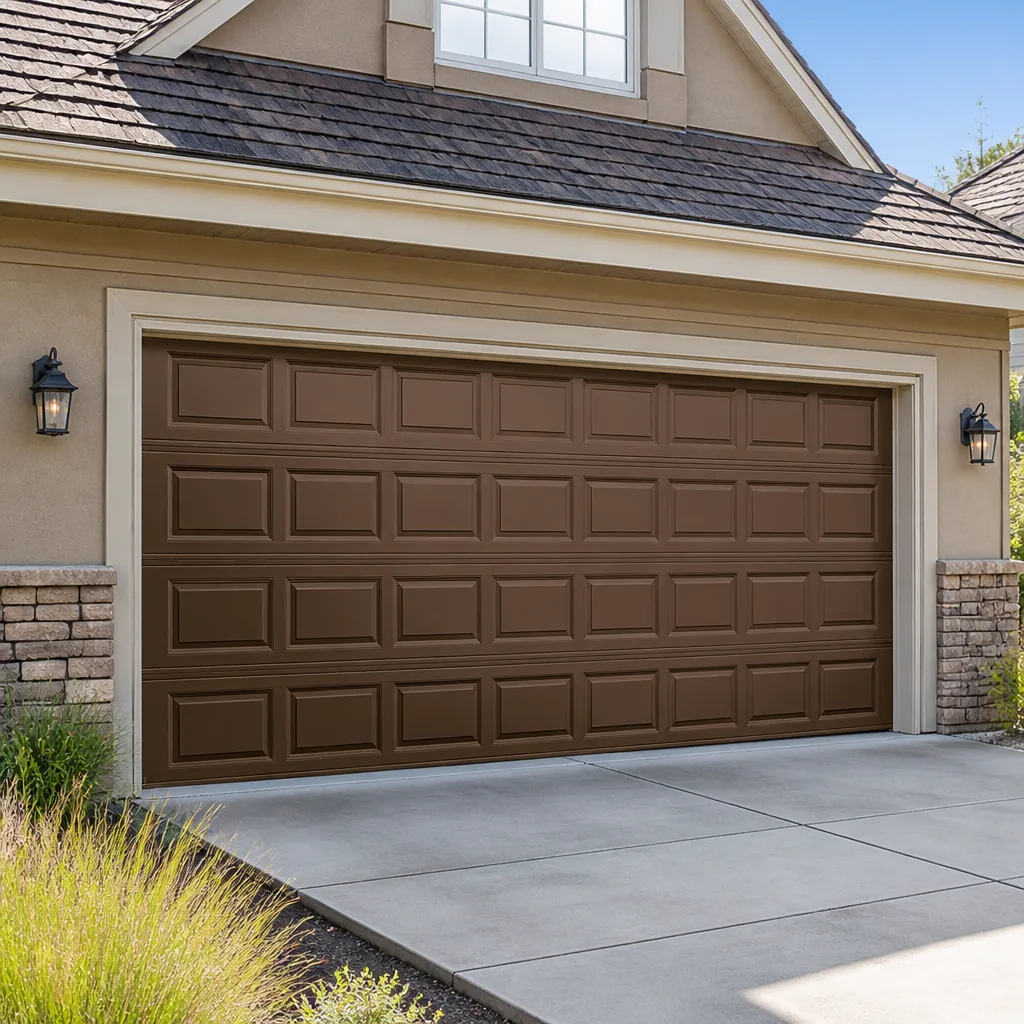 Raised-panel steel
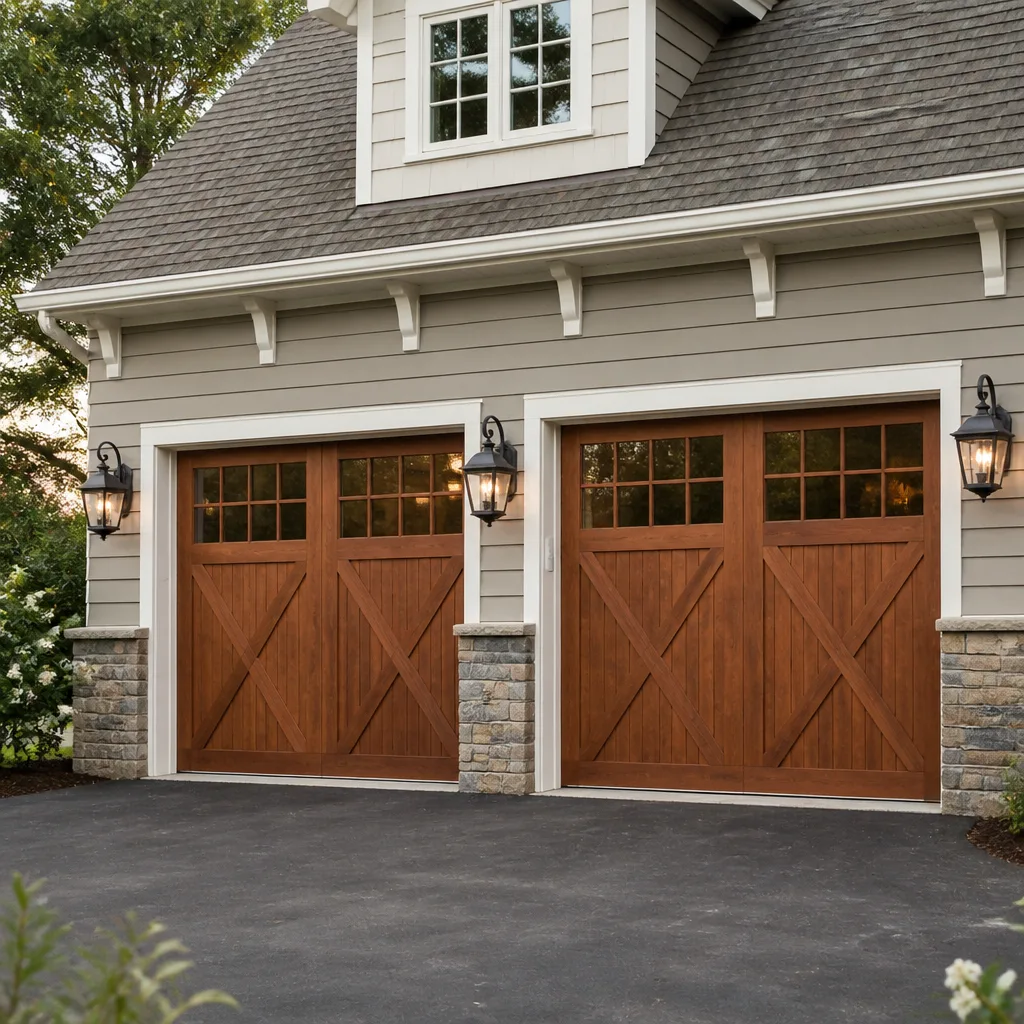 Carriage house
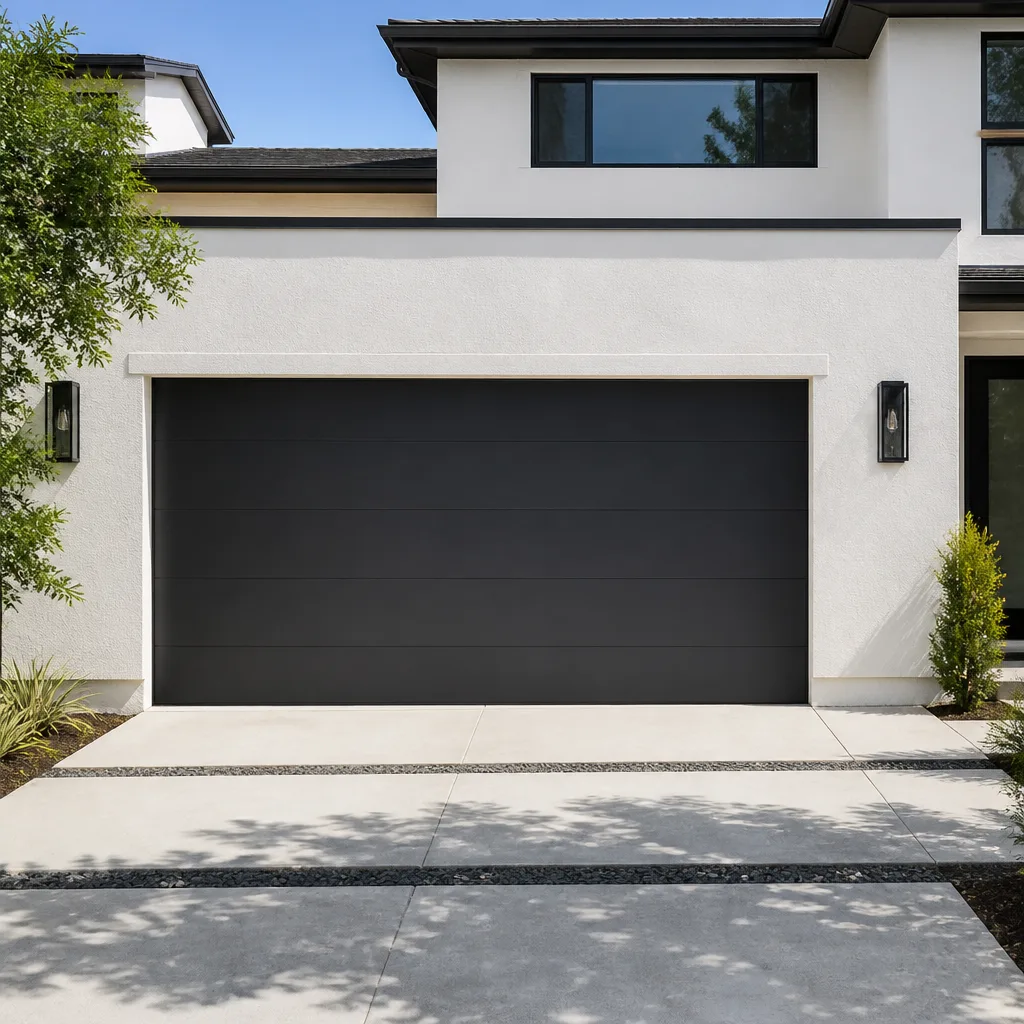 Modern flush
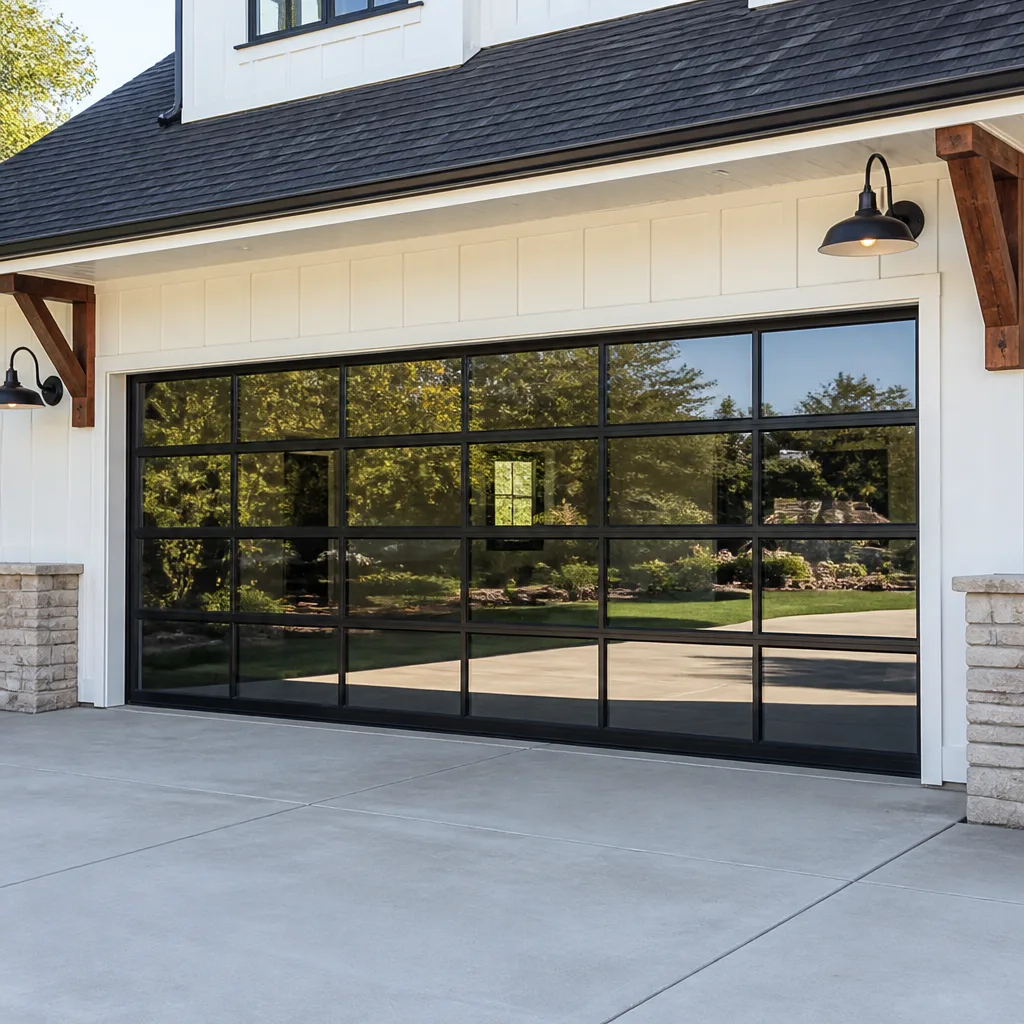 Full-view glass
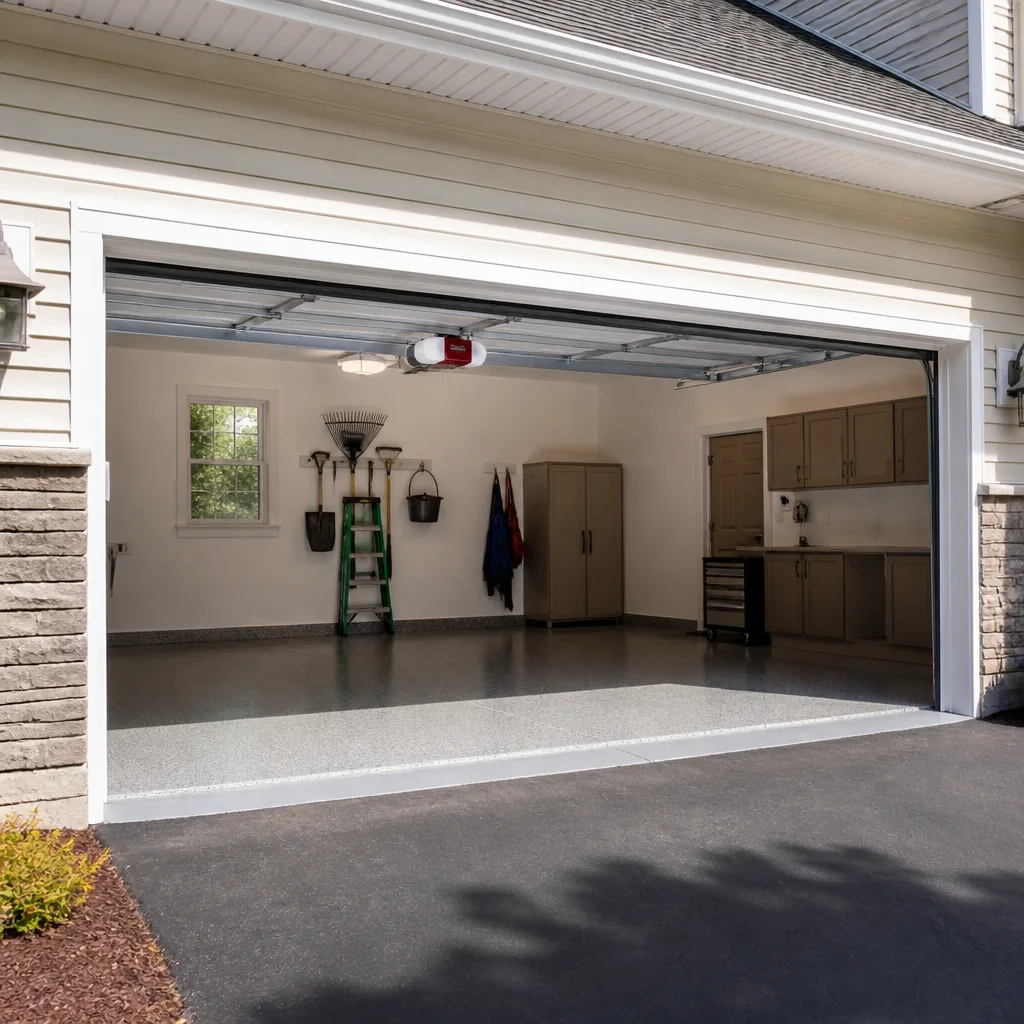 LiftMaster openers
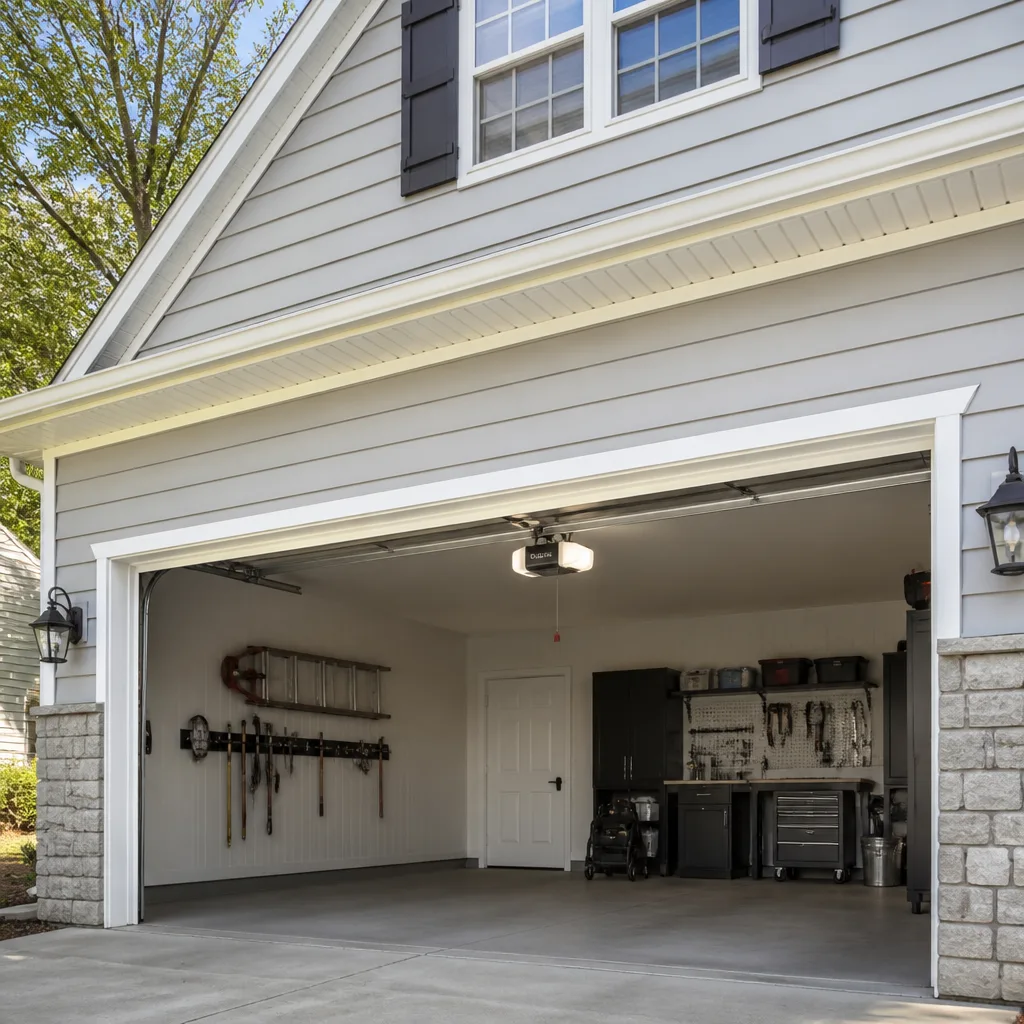 Chamberlain openers
Full 25-point door and opener safety check with every visit - springs, cables, rollers, tracks, and your LiftMaster or Chamberlain opener included
You get a price before we start. It does not change when the pro arrives.
Get your free estimateGarage Door Permits, Codes & Inspections in Norwood, MA: What You Need to Know
Most homeowners in Norwood assume that swapping a garage door for a like-for-like replacement needs no permit. The trigger usually isn’t the door itself. It’s whether the work changes the structural opening, the header, or the framing that holds the door in place. That line is blurrier than it sounds, and the person who ends up answering for it isn’t the installer. It’s you. In Massachusetts, the homeowner is legally responsible for the permit, even when a contractor does the work. This guide walks through when a Norwood building permit is actually required, which code sections govern the job, how the inspection process runs, what grandfathering does and doesn’t protect, and who should pull the permit. You’ll also see where homeowners most often get it wrong.
Quick Answer
In Norwood, MA, a building permit is generally required when garage door work alters the structural opening, adds a new opening, changes the header or framing, or installs a door on a wall that didn’t previously have one. A straight like-for-like replacement in an existing opening, and an opener-only swap, usually do not require a permit. Because the rules hinge on structural change rather than on the door itself, confirm with the Norwood Building Department before work begins. The homeowner, not the contractor, is legally responsible for the permit on their property.
Styles & brands we work with
- Raised-panel steel
- Carriage house
- Modern flush
- Full-view glass
- LiftMaster openers
- Chamberlain openers
Table of Contents
- When does a garage door project need a Norwood building permit?
- Which Massachusetts code sections apply to garage door work?
- How does the inspection process work in Norwood?
- What does the grandfather clause cover, and what does it not?
- Who should pull the permit: you or the contractor?
- How unpermitted garage work affects a home sale in Norwood
- What does permitted garage door work typically cost in Norwood?
- Common mistakes to avoid
When does a garage door project need a Norwood building permit?
The dividing line is structural change, not door replacement. Norwood’s Building Department, like most in Massachusetts, draws the distinction on whether the work touches the framing, the header, or the opening itself. If it does, a permit is typically required. If it doesn’t, most straight replacements and opener swaps don’t need one.
Here’s the practical breakdown for the three most common scenarios:
- New installation (a door where none existed): Permit required. Cutting a new opening into a wall, adding a door to a garage bay that was open, or converting a carport to an enclosed garage all involve structural framing and header work. Norwood will want plans and an inspection.
- Replacement in an existing opening: Usually no permit if the opening, header, and framing stay untouched and the new door matches the old in size and type. This is the like-for-like swap most homeowners picture. It becomes permit territory the moment the opening is widened, the header is modified, or the framing needs reinforcing to carry a heavier door.
- Opener-only swap: No permit. An opener is an appliance, not a structural element. Replacing a Chamberlain or Genie unit with a comparable model is a wiring and mounting job, not a code-permit job.
The gray area sits in the middle. A homeowner replacing a single door with a double door, or upgrading from a light wood door to a heavy insulated steel door, may not realize the structural load changes. That upgrade is where we’ve seen the most confusion in Norwood. The door looks like a replacement, but the framing has to carry more weight and that moves the project into permit territory. When in doubt, call the Norwood Building Department and describe the exact scope. A five-minute call saves a lot of grief later.
Which Massachusetts code sections apply to garage door work?
The Massachusetts State Building Code (780 CMR) governs garage door installations in Norwood, and two provisions come up most often on residential jobs: wind load and thermal performance for attached garages.
Wind load. The code requires garage doors on exterior walls to be rated for the wind pressures of the site. Norwood sits in a region where design wind speeds call for a door and its reinforcement to resist specific pressures, and manufacturers publish the rated performance of each model. A Clopay or Amarr door will come with documentation showing what it’s rated for. The permit reviewer wants to see that the door being installed meets the wind rating for the opening, and the reinforcement struts and track anchors must match. This is one of the reasons a cheap aftermarket door can create permit problems: the paperwork doesn’t line up with the code requirement.
Thermal performance for attached garages. When a garage is attached to the house, the wall between the two is treated as a thermal boundary. The code sets minimum insulation values for that separation, and the garage door itself factors into the calculation. If you’re replacing a door on an attached garage in Norwood, the code may require a door with a minimum insulation value, and the specific R-value depends on the assembly and the code edition in force. Ask the Norwood Building Department what applies to your project, because the correct figure depends on the details of your home.
The 780 CMR is updated on a cycle, and the edition in force at the time of your permit is the one that governs. A door installed under an older edition doesn’t automatically get upgraded, but a new permit pulls in the current code. That’s an important point for anyone planning a replacement and wondering why the code seems to demand more than their existing door provides.
How does the inspection process work in Norwood?
Norwood runs the inspection process through its Building Department, and the sequence depends on who pulled the permit. Here’s how it typically goes:
- Permit application. Either the homeowner or the contractor files the application with the Norwood Building Department, with plans and door specifications attached. The application identifies the scope, the door model, the wind rating, and the framing details.
- Review and issuance. The department reviews the paperwork and issues the permit when the specifications are complete. Timelines vary with the workload, so plan ahead rather than assuming a door can go in on short notice.
- Installation. The door goes in under the issued permit. The installer keeps the permit on site.
- Inspection request. Once the door is installed and the framing if any is complete, the permit holder requests the inspection. In Norwood, the person who pulled the permit is the one who schedules it.
- Frontline inspection. The inspector visits and checks the work against the permit and the code.
- Sign-off. If the work passes, the permit is closed. If the inspector flags something, you get a correction list and a follow-up inspection.
What the inspector actually looks at on a garage door job: the door and framing as installed match the permitted scope; wind-load reinforcement is present and installed per the manufacturer’s instructions; the wall between an attached garage and the house meets the thermal boundary requirements; the door operates safely; and the anchor points, tracks, and spring system are properly secured. The inspector isn’t there to judge the aesthetic quality of the installation. The inspector is checking structure, safety, and code compliance.
Turnaround depends on the department’s schedule and the completeness of the request. If your permit holder is a licensed contractor, they’ll typically handle the inspection request as part of the job. If you pulled the permit yourself, the scheduling is on you.
What does the grandfather clause cover, and what does it not?
Grandfathering protects a pre-existing installation that was legal when it was done. It does not bless unpermitted work, and it does not survive a change that creates a new code requirement.
Here’s what grandfathering actually covers:
- An installation that complied with the code edition in force at the time it was done, and remains in place without substantial change. That door doesn’t have to be upgraded to the current code just because a later edition adopted stricter wind or insulation values.
- A replacement or modification that triggers a new permit. Once you pull a permit for a new door or structural change, the current code applies to the permitted scope. Grandfathering doesn’t reach forward into new work.
- Unpermitted work from a previous owner. Grandfathering is not a cleanup mechanism. If a prior installation was never permitted and never inspected, the fact that it’s been there for years doesn’t make it legal. It simply isn’t on record.
We’ve seen this create headaches for Norwood homeowners at sale time. A buyer’s inspector, or the buyer’s attorney, runs a permit history on the property. An installation that shows no record on a structural change can become a point of negotiation, a request for retroactive permitting, or a price concession. The homeowner who pulled the strings, or didn’t, is the one answering. Grandfathering protects you when you did the work right under the old rules. It doesn’t protect you when you skipped the rules entirely.
If you’re buying or selling a Norwood home with a garage, request the permit history from the Building Department before closing. That’s the only reliable record.
Who should pull the permit: you or the contractor?
Either party can pull the permit in Norwood, but the liability shifts depending on who does. In Massachusetts, the property owner is legally responsible for the permit on their property, regardless of who physically files it. That’s the point most homeowners miss. Pulling your own permit doesn’t change who answers to the town if something is wrong.
When a licensed contractor pulls the permit:
- The contractor’s license is on the record, and their insurance is tied to the job.
- The contractor schedules the inspection and answers the correction list.
- The contractor carries the responsibility for code compliance on the scope of the work.
- If something fails inspection, the correction path runs through the contractor, not the homeowner.
When the homeowner pulls the permit:
- You are the permit holder and the party on record.
- You schedule the inspection yourself and coordinate any follow-up.
- If the installation fails or work is flagged, you’re the one navigating corrections, and you may be negotiating with the contractor from a weaker position because the permit is in your name.
- Some contractors simply won’t perform work under a homeowner-pulled permit, because the liability structure doesn’t protect them the same way.
Our view for Norwood homeowners: let the contractor pull it unless you have a specific reason to do otherwise. It shifts the administrative and code-compliance burden to the party best equipped to carry it, and it keeps the permit history clean on the property record. Save your own name on permits for the projects where you’re the general contractor.
How unpermitted garage work affects a home sale in Norwood
Norwood homes turn over regularly, and a buyer’s inspection and title process will turn up unpermitted exterior work more reliably than it turns up almost anything else. Garage work sits on the exterior, it’s visible, and the permit history is easy to pull. An unpermitted structural change can become a negotiation point: a request for retroactive permitting, a credit at closing, or a repair the seller didn’t budget for.
The gray edge case is the like-for-like swap that never touched structure. If it truly required no permit, there’s nothing to show and nothing to worry about. But if the swap involved widening an opening, changing the header, or installing a door that didn’t match the original opening, the record likely shows no permit, and a buyer’s inspector will ask about it. The distinction matters, and a homeowner who assumed “replacement means no permit” without checking can find the assumption tested at the worst moment.
If you’re planning a garage door project in Norwood and think it might cross into structural territory, it’s worth a call to the town before you commit. It also pays to keep your paperwork: the door spec sheet, the wind rating documentation, and the permit close-out all travel with the house if you ever sell. A clean paper trail is one of the cheapest forms of home value there is.
What does permitted garage door work typically cost in Norwood?
Permit fees and inspection costs vary by the scope of the work and the town’s fee schedule, and we recommend confirming the current fee directly with the Norwood Building Department before you budget. What we can speak to is the garage door side of the project. Here are typical estimated ranges for the work itself in the Norwood market, not including the permit:
- Standard single-door replacement, like-for-like, no structural change: typically $900 – $2,400 depending on door material and size.
- Insulated steel door, attached garage: typically $1,300 – $3,200 depending on insulation value and window options.
- Two-car or double-door replacement: typically $1,800 – $4,500 depending on the door and hardware.
- Opener replacement: typically $350 – $700 depending on the unit and any wiring work.
- Structural opening modification (permit required): cost varies with framing and header work; the written estimate sets the final price.
These are typical estimated ranges for the Norwood area, and the written estimate you receive sets the final price. We quote and agree the price before any work starts, so there are no surprises once the job is underway. If structural change is involved, the permit and inspection process adds time rather than cost to the door itself, and the door can’t be released into service until the inspection sign-off is complete.
Permit and inspection requirements apply whether the work is a garage door repair or a full replacement. For a straight repair that doesn’t touch structure, no permit is involved. For a replacement that changes the opening or framing, plan for the permit timeline.
Common Mistakes to Avoid
- Assuming “replacement means no permit.” Replacing a door in an unchanged opening usually needs no permit, but widening the opening or modifying the header does. The difference is structural, not semantic. Ask the Norwood Building Department before you buy the door.
- Letting a contractor talk you into a homeowner-pulled permit to save time. It doesn’t save you time. It puts your name on the record as the responsible party and leaves you coordinating inspections yourself. Ask the contractor to pull it.
- Installing a door with no wind-load documentation. The permit reviewer will want to see the door’s rated specifications and the reinforcement details. A door bought without that paperwork can fail review and delay the whole project.
- Skipping the insulation question on an attached garage. The wall between an attached garage and the house is a thermal boundary, and the code sets minimums. A door chosen without checking can trigger a correction at inspection.
- Believing grandfathering cleans up unpermitted work from a previous owner. It doesn’t. An unpermitted installation stays unpermitted, and it surfaces in a home sale. Request the permit history before you buy.
- Budgeting for the door but not the inspection cycle. A permitted project has a sequence: application, review, installation, inspection, sign-off. Plan the timeline around it rather than assuming the door goes in on the first available date.
- Forgetting to keep the documentation. Wind ratings, insulation specs, and the permit close-out are the paper trail a future buyer will ask for. Keep them with your home records.
See the difference
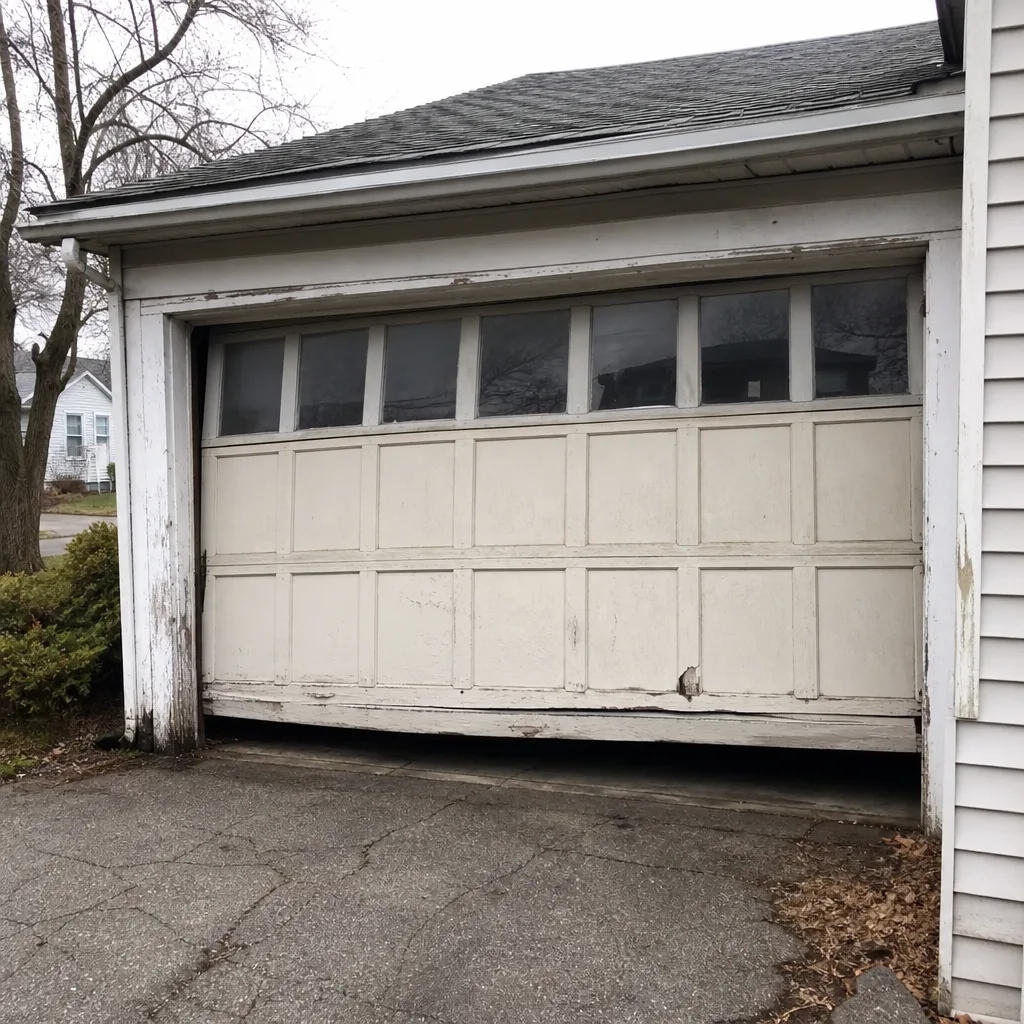 Before
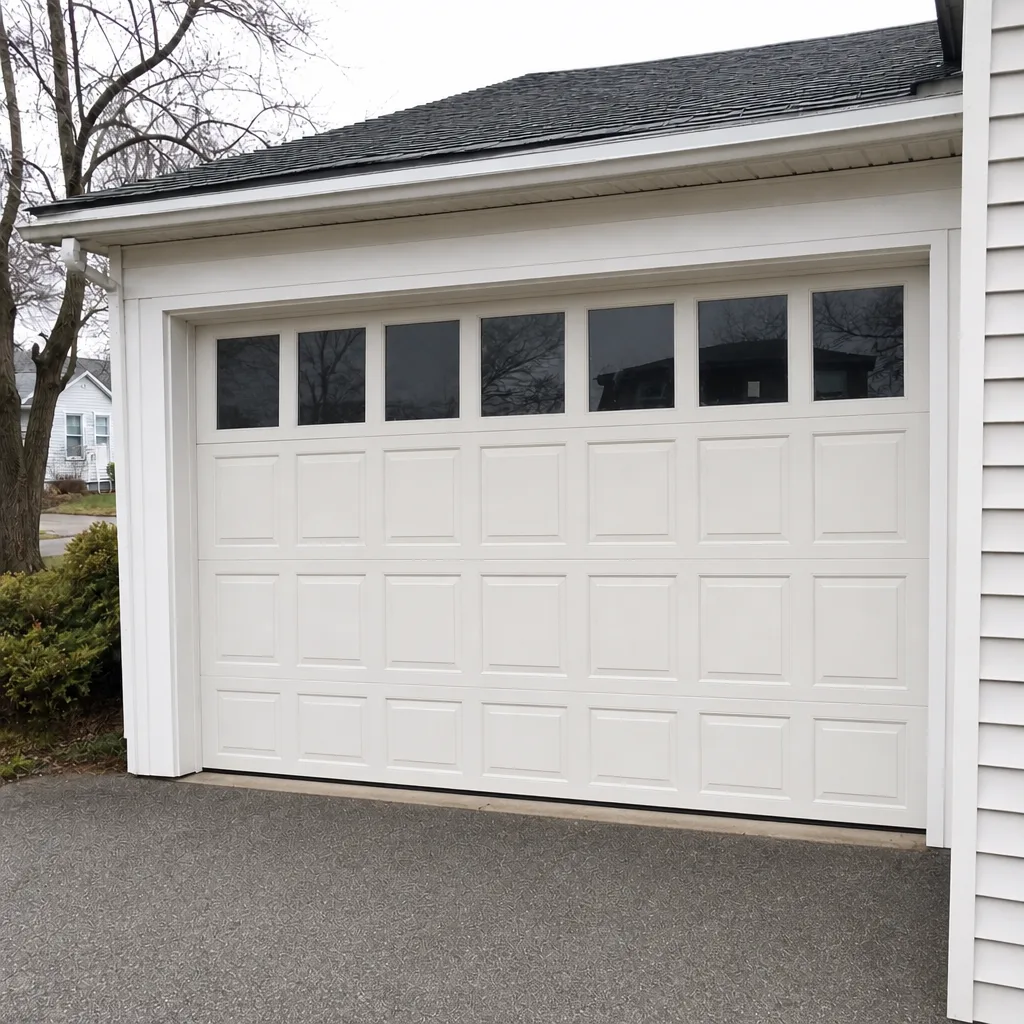 After
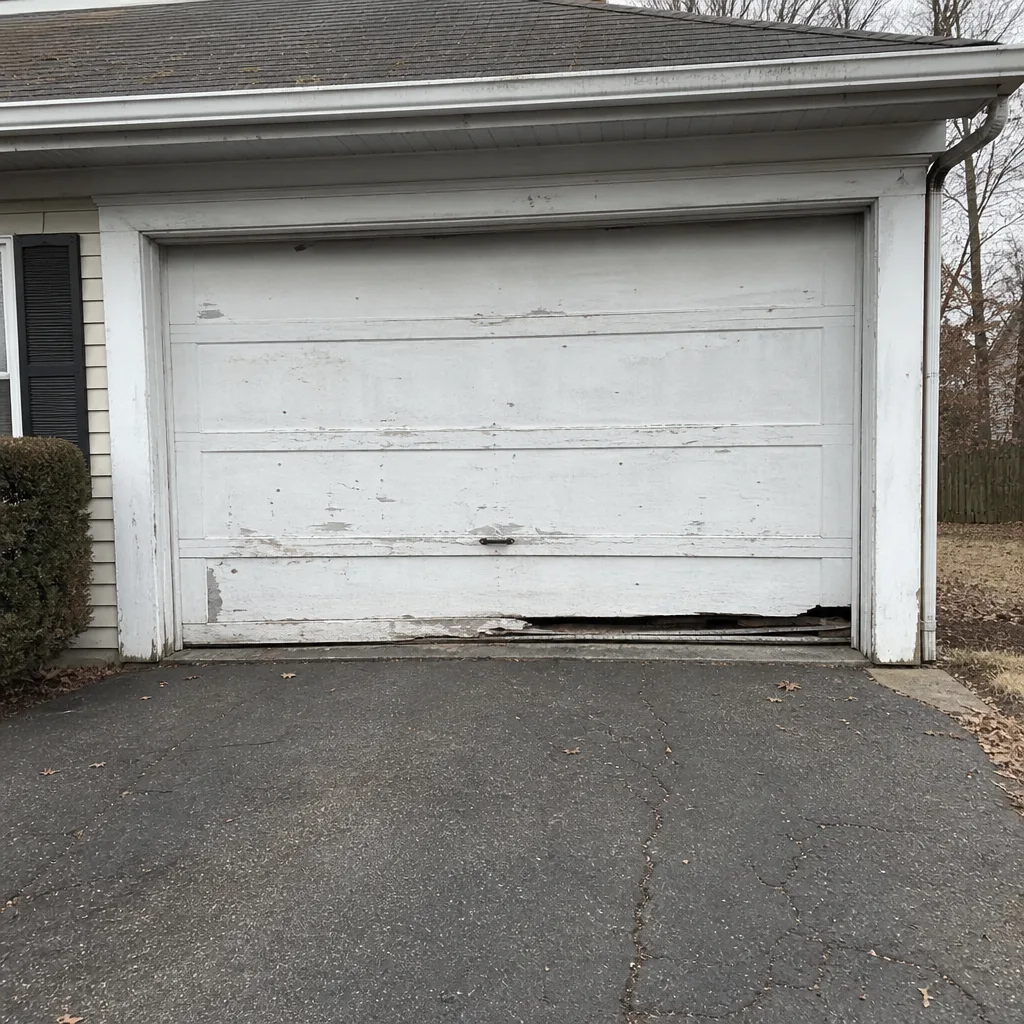 Before
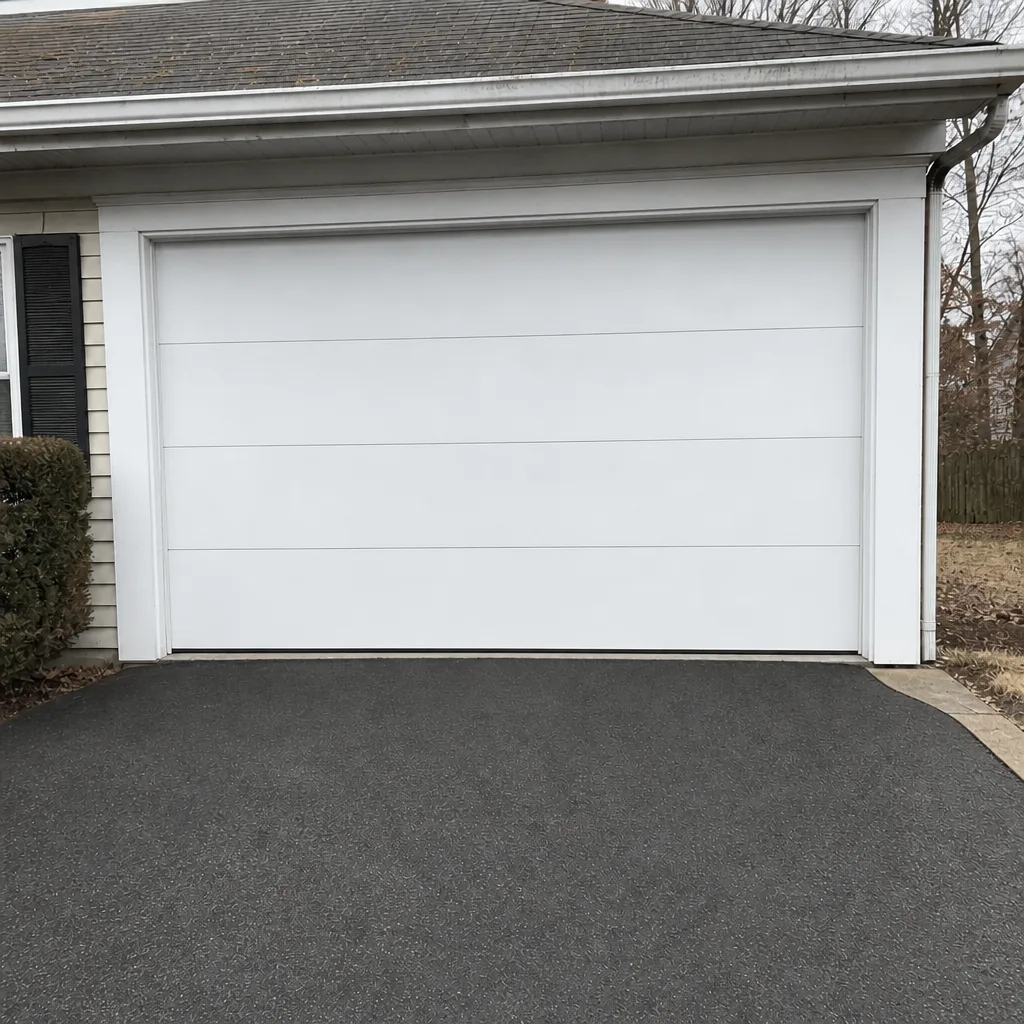 After
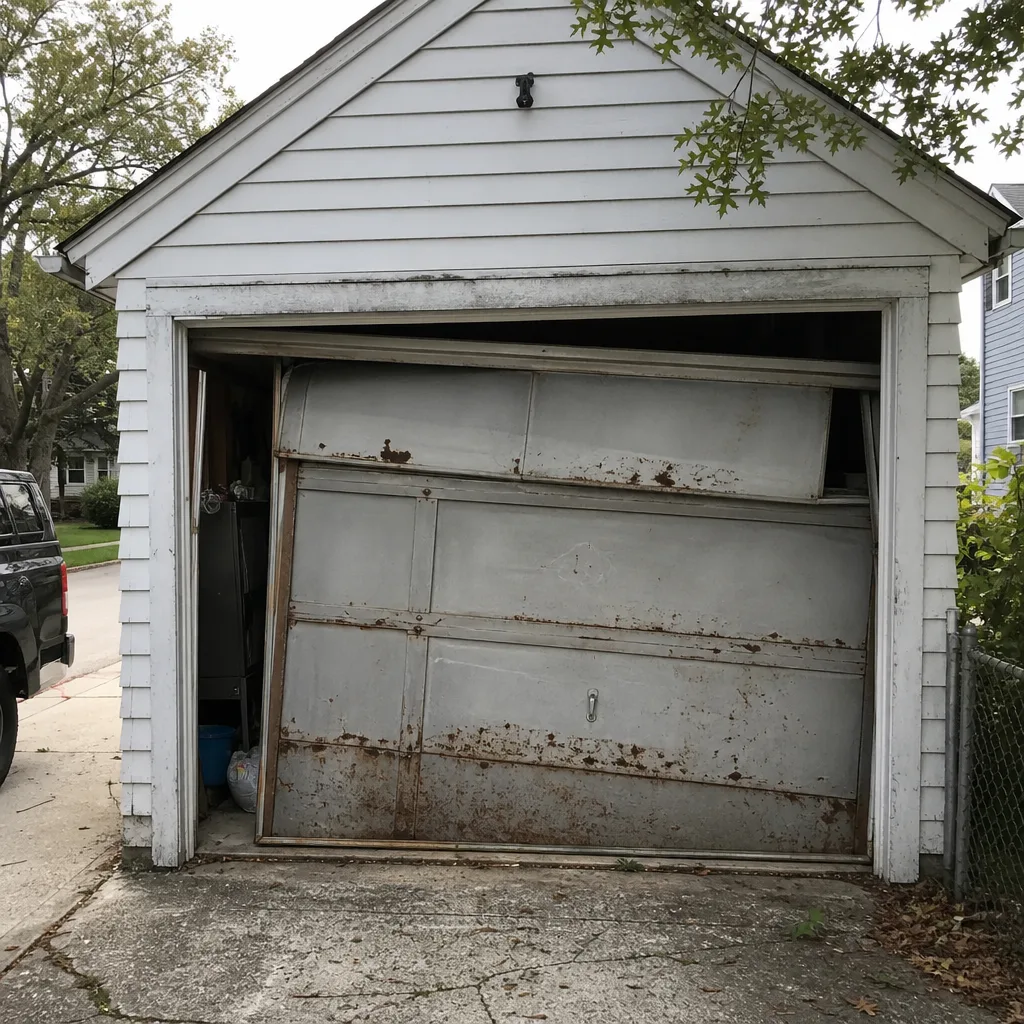 Before
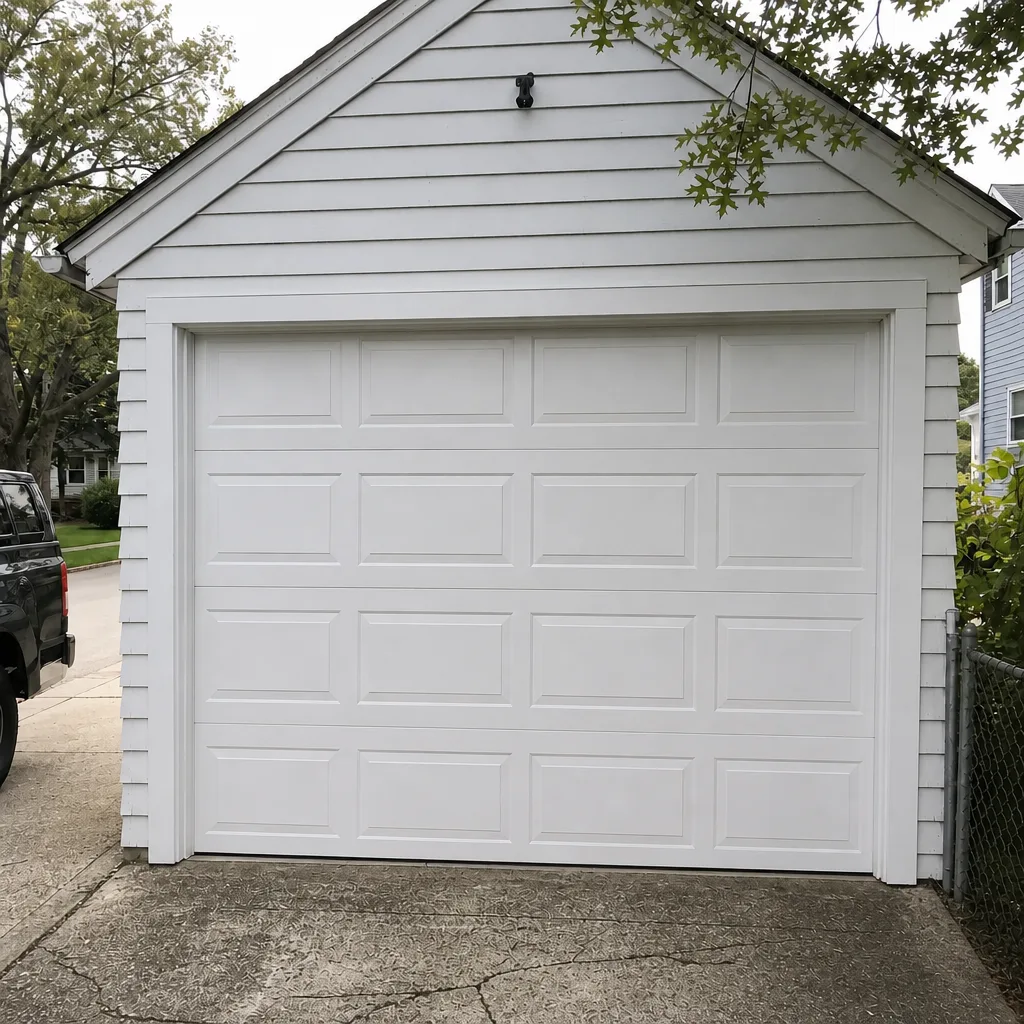 After
When to Call a Professional
The line between a DIY-friendly job and a job for a trained technician is the spring system, the framing, and the electrical work on the opener. Any of those belong to a professional. A garage door spring under tension carries enough stored force to seriously injure someone who doesn’t have the right tools and training, and that includes torsion springs, which require special winding bars and a specific technique. Header and framing modifications are structural, and a permit and a licensed contractor go with them. Opener wiring that ties into household circuits falls under electrical code. In any of those cases, call a professional rather than learning on the job. Norwood Garage Door Repair offers free estimates in Norwood. Call (866) 783-4096. We answer 24/7. Fast dispatch from 7am to 7pm, Sunday through Friday.
Frequently Asked Questions
In most cases, no, if the replacement is like-for-like in an existing opening and doesn’t modify the header or framing. If the opening is widened, the header is changed, or the door goes into a wall where none existed, a Norwood building permit is typically required. Confirm the specific scope with the Norwood Building Department before buying the door. Call (866) 783-4096 for a free estimate on the door work itself.
No. An opener is treated as an appliance rather than a structural element, so swapping a Chamberlain or Genie unit for a comparable model doesn’t require a building permit. The wiring connection to household power still has to be done correctly, which is why we recommend a trained technician for openers that tie into the home’s electrical system. Call (866) 783-4096 if you want a fast diagnostic on a failing opener.
The homeowner is legally responsible for the permit on their property in Massachusetts, regardless of who files it. That’s why we recommend letting the licensed contractor pull the permit: it shifts the administrative and code-compliance burden to the party best positioned to carry it, while the legal responsibility stays with you either way. Call (866) 783-4096 for a free estimate and we’ll walk you through the permit scope.
Often, yes. A buyer’s inspection and title search routinely surface exterior work with no permit history, and a garage installation that changed the structure is visible. It can become a negotiation point at closing. If your garage work predates your ownership and was never permitted, request the permit history from the Norwood Building Department before you list. For a free estimate on bringing the work up to current standards, call (866) 783-4096.
It protects a legal installation that complied with the code edition in force when it was done and hasn’t been substantially changed. It does not protect unpermitted work from a previous owner, and it does not carry forward once a new permit is pulled for new work. Call (866) 783-4096 if you want a free estimate on a replacement or a spring repair on an older door.
The inspector confirms the door and framing match the permitted scope, the wind-load reinforcement is present and installed per the manufacturer’s instructions, the thermal boundary between an attached garage and the house meets code, and the door and its hardware operate safely. The inspection is a structural and safety check, not an aesthetic review. For questions on the installation side, call (866) 783-4096.
The Bottom Line
The permit question in Norwood comes down to one distinction: what the door is, or what the opening is. A straight replacement in an unchanged opening usually needs no permit. A new opening, a header or framing change, or a structural modification typically does. The Massachusetts State Building Code governs wind load and thermal performance on permitted work, the 780 CMR edition in force at the time of your permit is the one that applies, and the inspection verifies structure and safety rather than appearance. Grandfathering protects legal, unchanged installations and does not clean up unpermitted work. In Massachusetts, the homeowner is legally responsible for the permit either way, so let the licensed contractor pull it. Norwood Garage Door Repair offers free estimates in Norwood for repair, spring work, opener work, and full installation. Call (866) 783-4096. We answer 24/7. Fast dispatch from 7am to 7pm, Sunday through Friday. Estimates are free and the price is quoted and agreed before any work starts.
Written by the team at Norwood Garage Door Repair.
Still deciding what your project actually needs? Start with Norwood Garage Door Repair for the full picture, get a quote on garage door opener repair if the opener is the problem, and call us for garage door spring repair if the door itself has stopped lifting. Our technicians have up to 15 years of experience and are trained on LiftMaster, Chamberlain, Genie, Clopay, Amarr, Wayne Dalton, Craftsman, and Raynor systems.