
Last updated November 20, 2026
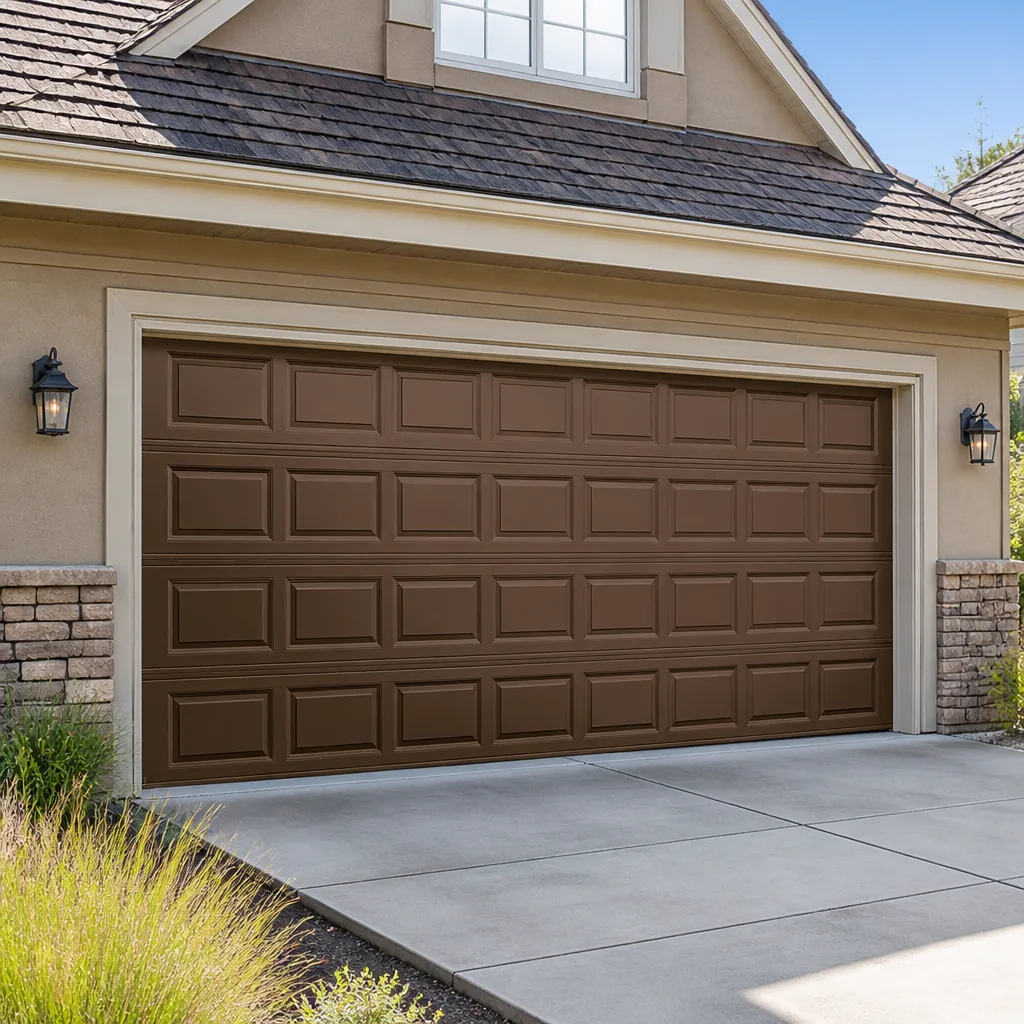 Raised-panel steel
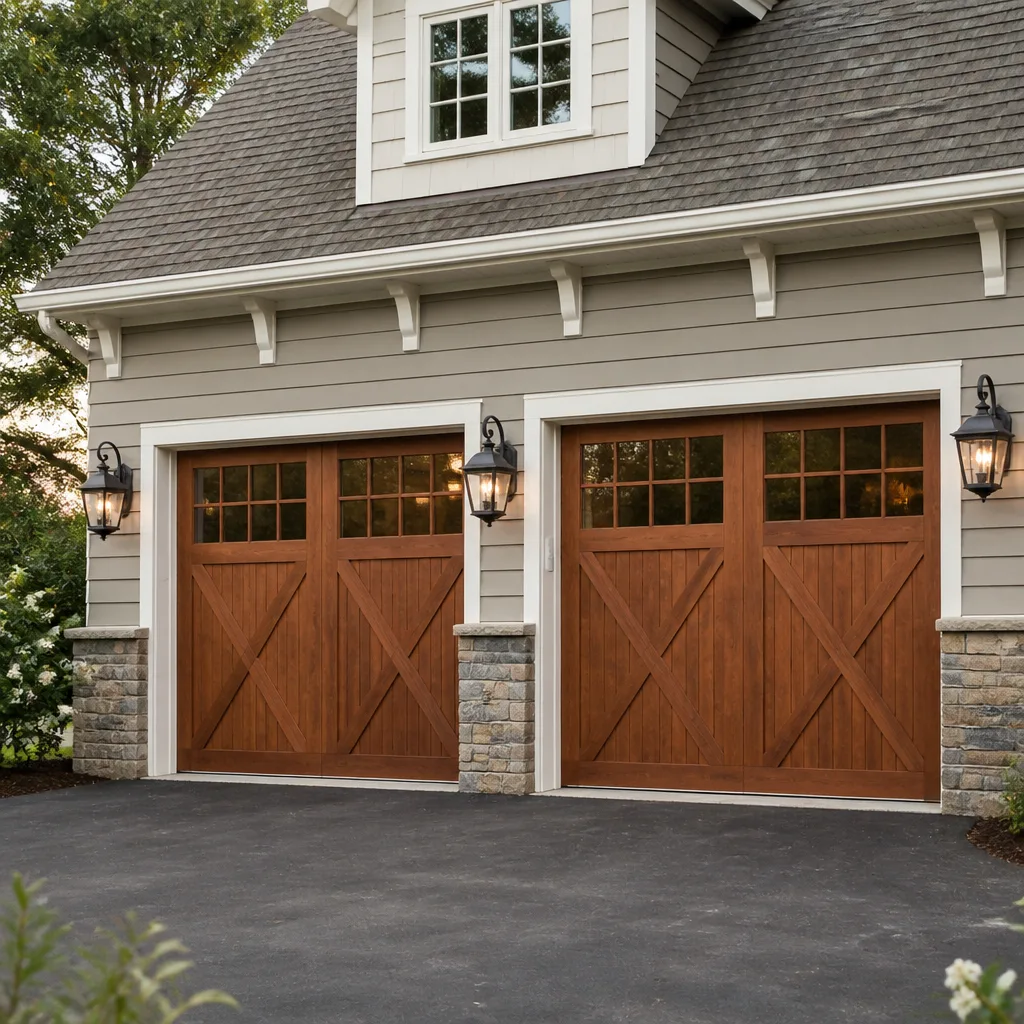 Carriage house
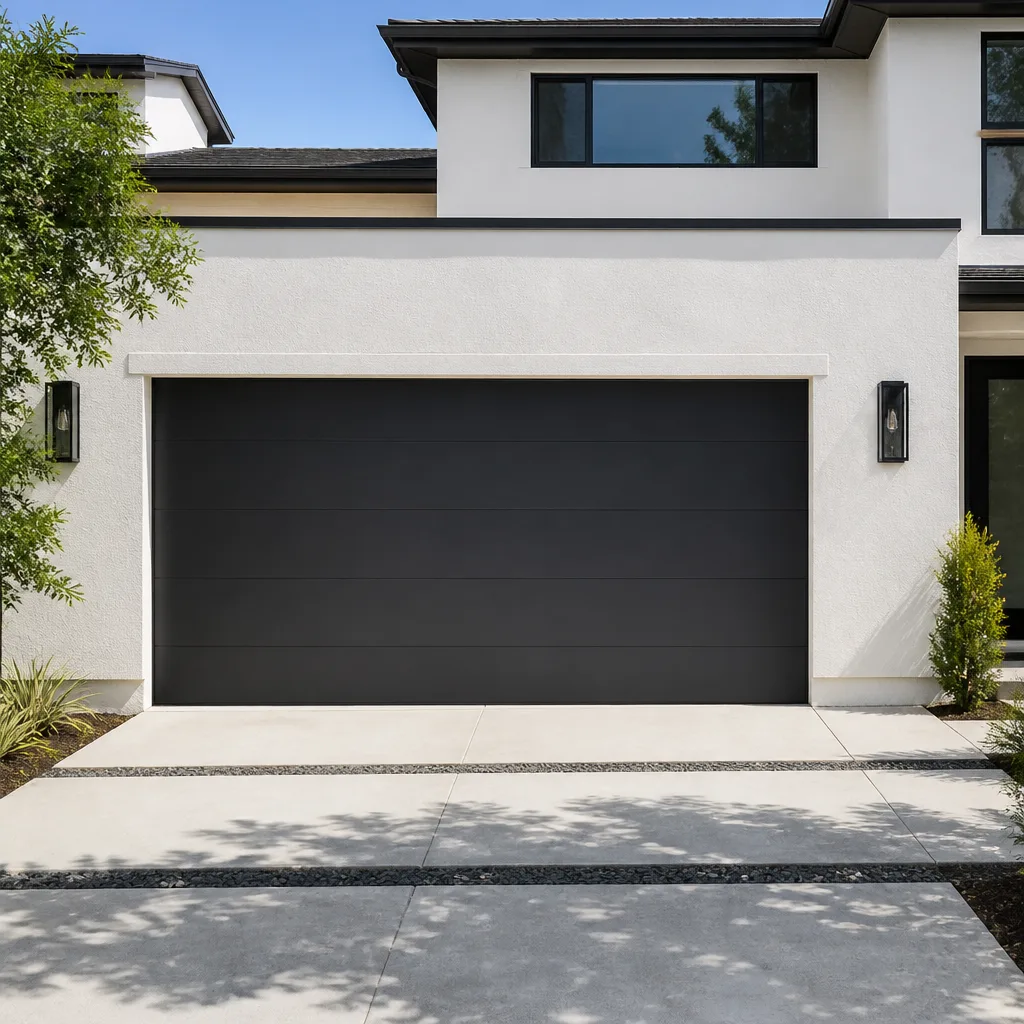 Modern flush
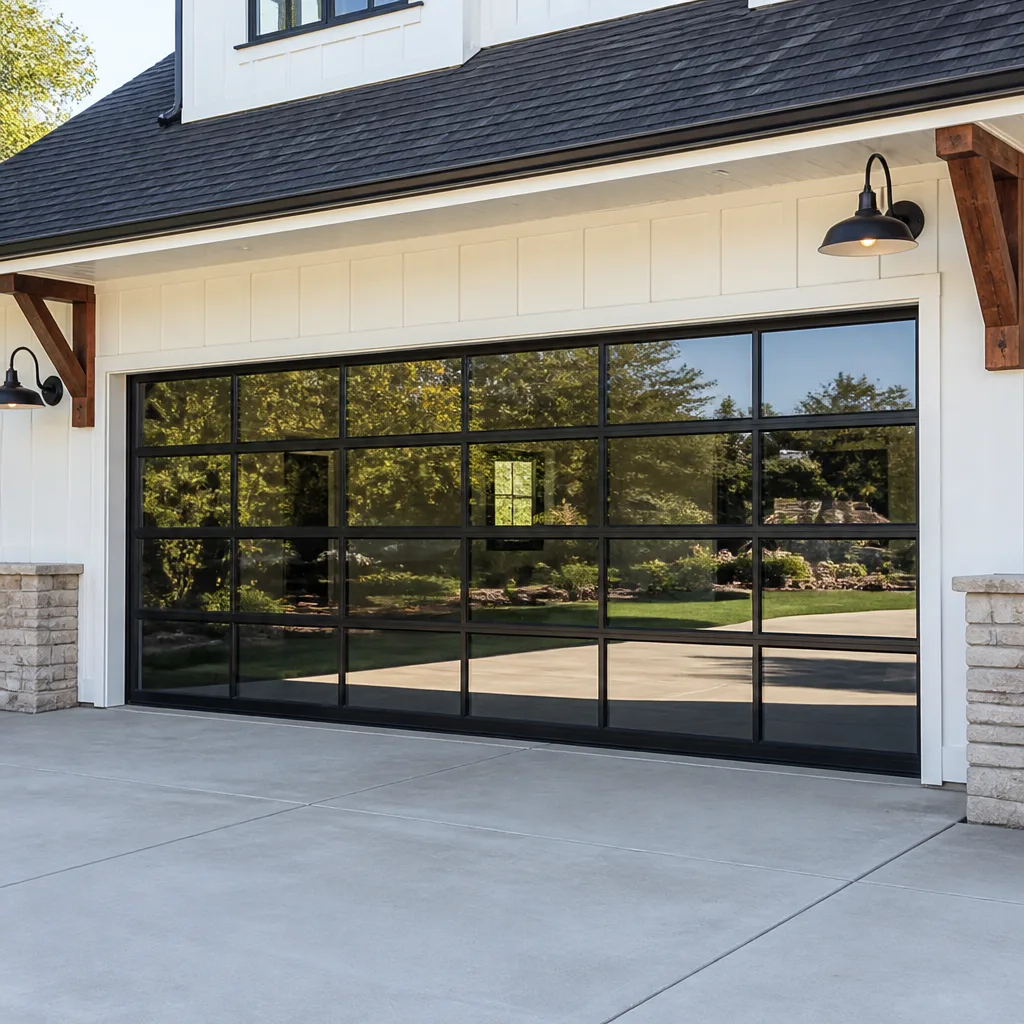 Full-view glass
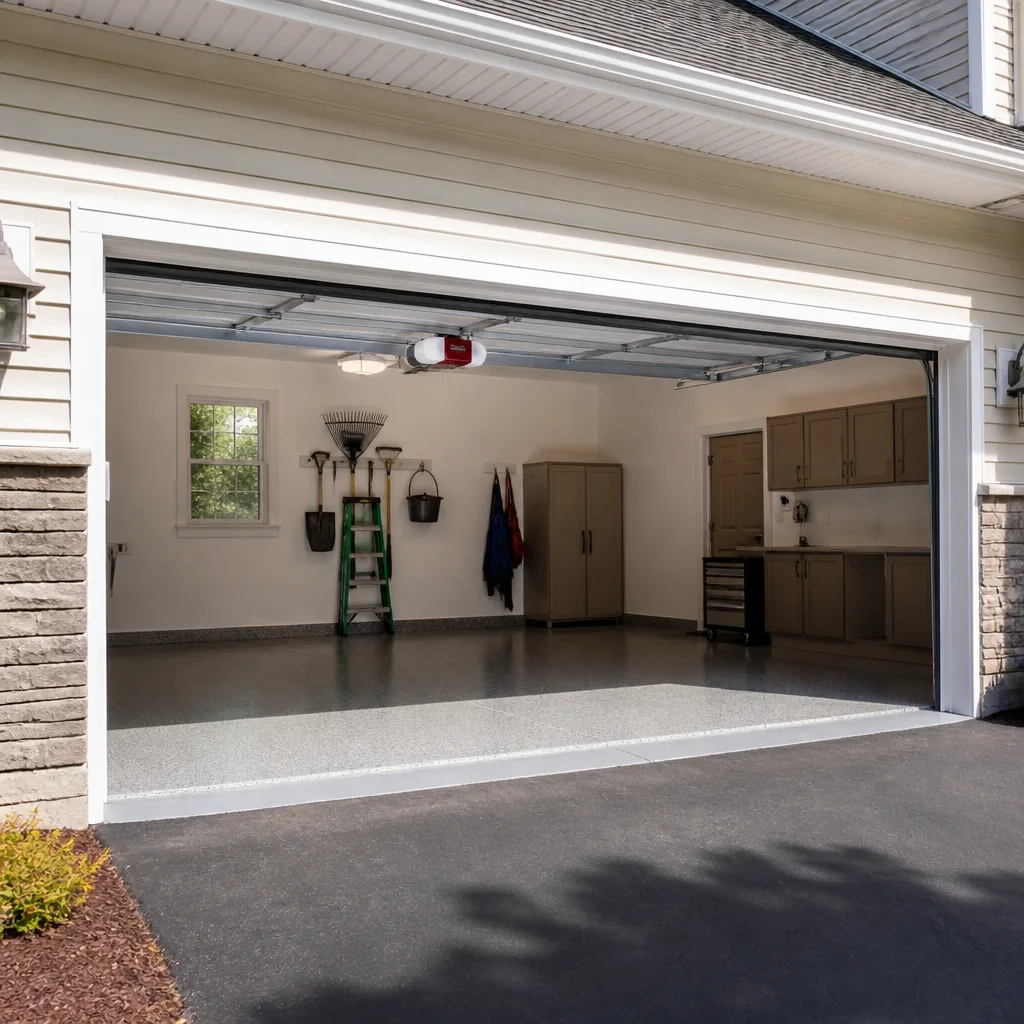 LiftMaster openers
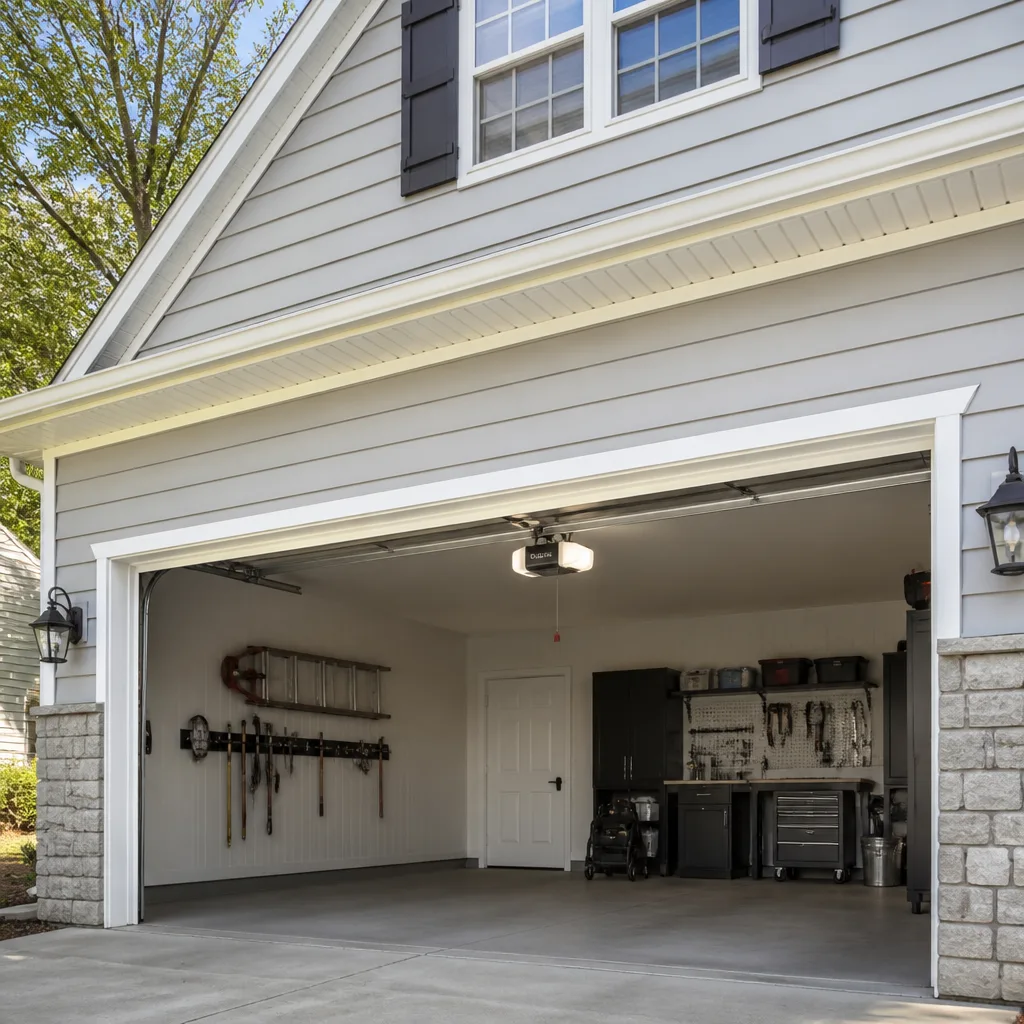 Chamberlain openers
Full 25-point door and opener safety check with every visit - springs, cables, rollers, tracks, and your LiftMaster or Chamberlain opener included
You get a price before we start. It does not change when the pro arrives.
Get your free estimateGarage Door Repair Maintenance Checklist for Norwood Homeowners
Most garage door checklists are written for the checklist’s sake, not yours: “inspect cables,” “check springs,” “lubricate hardware.” That’s fine until you’re standing in your garage staring at a cable and you have no idea whether what you’re looking at is normal or one pull away from failing. Frayed cables don’t snap with a warning – they let go suddenly under full spring tension, and a vague to-do list won’t help you tell surface rust from structural damage. This guide is different. Every item comes with a visual pass/fail test, so you know when you’re looking at ordinary wear and when you’re looking at a stop-and-call condition. We’ll also flag which checks are safe for you in Norwood and which belong to a trained technician.
Quick Answer
A good garage door maintenance checklist tells you what a bad result actually looks like, not just what to look at. In Norwood, run your main checks in late fall before the freeze-thaw season and again in spring, keep lubricant off the tracks and on the rollers, hinges and springs only, and never touch a torsion spring or a frayed cable yourself – call a technician for anything involving spring tension. Everything else on this list you can safely inspect and most of it you can handle yourself.
Styles & brands we work with
- Raised-panel steel
- Carriage house
- Modern flush
- Full-view glass
- LiftMaster openers
- Chamberlain openers
Table of Contents
- Reading the Door: What Normal Wear Looks Like vs. a Stop-and-Call Condition
- The 10-Second Balance Test That Reveals Spring Wear Early
- Lubricating the Right Parts (and the Track Mistake Almost Everyone Makes)
- Norwood Seasonal Timing: When to Run Each Check
- Owner-Safe Tasks vs. Technician-Only Components
- Opener and Safety-Reverse Checks You Can Do in Minutes
- What Norwood Weather Does to Wood, Steel and Hardware
- Keeping a Simple Service Log
Reading the Door: What Normal Wear Looks Like vs. a Stop-and-Call Condition
The hardest part of any checklist is interpreting what you see. “Inspect cables” is meaningless if you don’t know which version of a cable is fine and which version is about to fail. Here’s how we think about it: some wear is cosmetic and some wear is structural, and the difference usually comes down to whether material has been lost. Below is the pass/fail standard we apply to each component. Use it as your visual reference.
Cables
- Pass: Galvanized cables that look uniformly dull, with a tight braid and no loose strands. A light dusting of surface oxidation that wipes away is normal.
- Fail (stop and call): Any snapped strand or “birdcage” – broken wires poking out of the braid. Cables that are obviously thinner in one section. Cables that are wrapped unevenly around the drum or have jumped the drum groove. These conditions mean the cable is carrying unequal load and can fail without warning.
Springs
- Pass: A torsion spring with an even coil spacing and a thin, uniform film of light oxidation. Some surface rust happens here, especially after a damp stretch.
- Fail (stop and call): A clean break or a visible gap in the coil. A spring that has visibly stretched or lost its shape. Heavy, flaking rust that has eaten into the coil. Never try to wind, unwind or measure a spring yourself – the stored energy in a torsion spring is what makes it the most dangerous part of the whole system.
Rollers
- Pass: Steel rollers that spin freely with no flat spots. Nylon rollers that are smooth and not chipped.
- Fail: A roller that has a flat spot, grinds when you turn it by hand, or wobbles in its stem. Worn rollers cause the door to drag and can chew the track.
Tracks
- Pass: Straight vertical and horizontal tracks, parallel to the door edge, with no visible dents.
- Fail: Any bend, kink or section where the door has clearly shifted off-center. A misaligned track will eventually pull a roller out and jam the door.
Panels and Hinges
- Pass: Panels that line up flush at the seams, hinges that are tight to the door with no loose screws.
- Fail: A panel with a crack, a hinge pulling away from the stile, or a gap that has appeared at a seam. Loose hinges put stress on the panels above and below them.
The 10-Second Balance Test That Reveals Spring Wear Early
This is the single most useful check in this guide, and it takes about ten seconds. It tells you how much of the door’s weight the springs are actually carrying – and a door that has quietly lost spring tension is a door that’s close to a failure. Do it only when the door is closed and the opener is disengaged.
- Pull the emergency release cord (the red handle) to disconnect the opener from the door. Make sure no one is standing under it.
- Lift the door by hand to about waist height, then stop.
- Let go and watch. A healthy door should sit still, or drift only slightly.
- If the door drops or falls, the springs are no longer supporting it. That’s your signal to stop lifting and call a technician.
Repeat the same test with the door at about chest height to see if one side pulls harder than the other. A door that wants to drift in one direction tells you the spring on that side is carrying less load, and that asymmetry will wear out rollers and hinges on the other side of the door faster. When we see a door that won’t hold position at mid-height, we treat it as early spring failure and get it scheduled before it becomes an emergency repair. If the door won’t lift at all, or the release doesn’t work, skip the test and call. A door that’s stuck down is a door that’s holding your car hostage, and that’s exactly the kind of problem we handle as a garage door repair call.
Lubricating the Right Parts (and the Track Mistake Almost Everyone Makes)
Here’s the most common mistake we run into: people lubricate the tracks. Don’t. Tracks are meant to stay clean and dry, and a greased track collects grit, which turns into a grinding paste that wears your rollers and dulls the track surface. The rollers roll in the track – they don’t slide – so the track doesn’t need lubrication. What needs it is the moving metal: rollers, hinges, springs (a light wipe only), and the bearing plates.
What to use, where
- Rollers, hinges, and bearing plates: A white lithium grease or a silicone-based lubricant. A few drops per hinge and per bearing, worked in by opening and closing the door a couple of times.
- Torsion spring coils: A light coat of silicone spray to keep surface rust down, not a thick paste. Wipe it on with a rag while the door is down and the spring is at rest – and if you’re not certain the door is fully down and locked, leave this step to a technician.
- Nylon rollers: No lubricant needed. Nylon is self-lubricating, and adding grease just attracts dirt.
- Weatherstripping and the bottom seal: A silicone spray to keep the rubber flexible through the cold months. This one is safe and easy.
One full pass with lubricant is usually enough for the year. Over-lubricating is its own problem – too much grease on the hinges pulls dust into the joints and can drip onto the door panels. When we service a door for a Norwood homeowner, we usually find the tracks gunked up and the rollers dry, which is exactly backward. Cleaning the tracks and lubricating the right parts is the one change that makes the biggest difference in how quietly the door runs.
Norwood Seasonal Timing: When to Run Each Check
Norwood gets real freeze-thaw cycles and big humidity swings between summer and winter, and your door feels both. Springs lose a little tension in the cold, wood panels swell in a humid summer and shrink in a dry winter, and hardware loosens as the temperature moves up and down. Timing your checks around the seasons means you catch problems before they’re expensive. Here’s how we’d schedule it over a year.
Late fall (before the first hard freeze)
- Run the balance test. Springs are stressed most in the shift from mild to cold, so this is the highest-value check of the year.
- Inspect the bottom seal and weatherstripping. A cracked seal lets in cold air and water, which is where ice starts to build up under the door.
- Tighten hinge and bracket screws. Hardware that’s loosened over the summer will rattle more in winter.
- Lubricate rollers and hinges with a lighter coat for the cold months.
Spring (after the last freeze)
- Check for rust bloom on springs and cables, which tends to show up first after a wet, freezing winter.
- Clean the tracks of grit and salt tracked in on the car. Salt on the tracks acts as an abrasive and wears the rollers.
- Test the safety reverse (more on that below) and re-check the balance.
- Look at wood panels for swelling, peeling paint, or soft spots from a winter of moisture.
Mid-summer
- Re-check the weatherstripping, which takes a beating in the heat and sunshine.
- Look at the opener’s mounting and the door’s alignment. Wood doors that have swelled in the humidity can start to bind in the tracks.
- Listen for new noises. A door that’s groaning or grinding in the summer heat is telling you a roller or hinge needs attention.
Running these checks on schedule is what keeps small problems small. A stretched spring, a dry roller, or a loose hinge caught in the fall is a cheap fix. The same issue discovered in January when the door won’t open is an emergency call.
Owner-Safe Tasks vs. Technician-Only Components
This is where a checklist earns its keep, because knowing what not to touch matters as much as knowing what to check. A garage door is under a lot of stored tension, and the springs and cables that hold it are the part of the system that can hurt you. Here’s the clean line.
Safe to do yourself
- Visual inspections of cables, springs, rollers, tracks, panels and hinges – looking, not touching the tension parts.
- Lubricating rollers, hinges, bearing plates and weatherstripping.
- Cleaning the tracks with a dry cloth or a lightly damp rag.
- Testing the safety reverse and the balance test (with the opener disengaged and the door closed).
- Tightening hinge and bracket screws that have worked loose at the panel seams.
- Testing the wall-mounted opener button, the remote and the keypad.
Call a technician
- Anything involving a spring. Torsion springs are wound under extreme tension and require specialized winding bars and training. Do not try to adjust, measure, loosen or replace them.
- Cables. Cables are under the same spring tension. A cable that has slipped off the drum is a serious hazard – do not try to re-seat it.
- Track straightening or realignment. A bent track needs to be properly reset, and a badly misaligned track can drop the door.
- Panel replacement or structural hinge work. If a panel has cracked or a hinge has torn away from the stile, the door’s structural integrity is compromised.
- Opener electrical work and circuit board diagnosis. These involve line voltage and circuit-level troubleshooting. We handle garage door opener repair on the major brands, including LiftMaster and Craftsman units, because circuit boards and limit switches are a different job from mechanical door work.
When in doubt, call. We answer 24/7, and a five-minute conversation can save you from a real injury or a much bigger repair. Our technicians have up to 15 years of experience, and every one of them treats springs the way they should be treated: with respect and the right tools.
Opener and Safety-Reverse Checks You Can Do in Minutes
The opener is the brain of the system, and most of its problems show up as small behaviors before they turn into a door that won’t open. These checks take a few minutes and are all safe to run yourself. They’ll also help a technician diagnose the issue faster if you do need to call.
- Test the safety reverse. With the door open, place a small object (a roll of paper towels works) on the floor in the door’s path. Close the door and confirm it reverses on contact. If it doesn’t, the opener’s safety system needs attention – this is not a setting to ignore.
- Test the photo-eye sensors. The two sensors at the base of the track should have solid lights on both sides. A blinking light usually means the sensors are misaligned or the lens is dirty. Wipe them and re-check.
- Check the force setting behavior. Watch the door as it closes. It should close smoothly and evenly, not speed up or lurch. A door that reverses partway down is often telling you the force limit is doing its job because the door is binding – which is a mechanical issue, not an opener issue.
- Check the balance of the system by hand. If the door is heavy to lift by hand, the opener is working harder than it should. A heavy door and a strained opener is a recipe for opener failure.
- Test the wall button, remote and keypad separately. If the remote fails but the wall button works, you’re looking at a remote or battery issue, not a dead opener.
- Listen. A grinding or groaning opener often means a worn gear or a failing bearing. A clicking opener that doesn’t move the door can mean the logic board or a stripped gear.
Our rule on openers is simple: what you already own is what we service. We work on LiftMaster, Chamberlain, Genie, Wayne Dalton, Raynor, Clopay, Amarr and Craftsman systems, so you rarely hear “we don’t work on that brand.” If your opener checks pass but the door still acts up, the issue is usually in the door, not the opener – and that’s a repair we can diagnose.
What Norwood Weather Does to Wood, Steel and Hardware
Norwood’s climate is hard on garage doors in a specific way. We get cold winters with repeated freeze-thaw, which means moisture gets into seams and then expands when it freezes. We also get humid summers, which swell wood and can make a tight-fitting door start to bind. Knowing how your door type responds to that pattern helps you read the early warning signs.
Wood doors
- Look for paint that has cracked and peeled along the bottom edge, where snow and water sit longest.
- Press on the panel surface. A soft spot means water has gotten in and the wood is starting to rot from the inside. That’s a fail.
- Check the seams between panels. Swelling can push one panel out of line with the next and put stress on the hinges.
Steel and insulated doors
- Check the bottom edge and the hinges for rust bloom. Steel doors rust first where water sits and where the protective finish has been scratched.
- Look for dents in the panels from bumpers or bicycles. Dents are mostly cosmetic, but dents that have compromised the sealed panel can let moisture in.
- Inspect the bottom seal for cracking. A failed seal is the single most common cause of water and ice getting under a steel door.
Hardware
- Hinges and screws loosen as the door expands and contracts. A quick screwdriver pass in fall and spring keeps the panels tight.
- Rollers dry out and need a light coat of lubricant before the cold sets in.
- The spring hardware itself takes the most wear, and the freeze-thaw rhythm is what pushes a marginal spring over the edge.
If a spring does give way or a cable snaps in the cold, that’s a job for a specialist. Springs are the part of the system where tension does the most damage, which is why spring work is a category of its own in garage door spring repair. If you’re not sure whether a symptom is a door problem or a spring problem, our Norwood Garage Door Repair page is a good starting point for the full scope of what we handle.
Keeping a Simple Service Log
A checklist works better when you write down what you found and when. A simple log – a page in a notebook in the garage or a note on your phone – gives you a record of when the balance test last passed, when you last lubricated, and what a technician found on the last service. It’s the difference between “sounds a bit rough lately” and “the door has been drifting to one side since the fall check.”
Here’s what we’d recommend keeping:
- Date and check. Note the date of each balance test and whether the door passed.
- Visual notes. A few words on the cables and springs – “surface rust only” or “left cable shows one strand.”
- Lubrication dates. When you last oiled the rollers and hinges, and with what product.
- Opener behavior. Note the safety-reverse results and any new sounds.
- Service visits. What the technician repaired, replaced or adjusted, and when.
This log is also useful when you call. A technician can use a clear history to tell you whether a spring has been slowly losing tension or just failed, and that changes the recommendation. It’s the kind of small habit that keeps a door running longer and saves you from surprises in the cold months.
Common Mistakes to Avoid
- Lubricating the tracks. This is the number one mistake we see in Norwood garages. Tracks should be clean and dry; grease on a track collects grit and grinds down your rollers. Save the lubricant for the rollers, hinges and bearing plates.
- Ignoring a door that won’t hold mid-height. If the balance test shows the door dropping, you have spring wear. Waiting for the spring to break is what turns a scheduled repair into an emergency call and a dead car in the driveway.
- Adjusting a torsion spring yourself. Springs are under extreme stored tension and need specialized tools and training. This is the one mistake that can cause serious injury, and it’s not worth the risk for any homeowner.
- Over-lubricating. A light coat is right; dripping grease attracts dust and can stain the door. One pass in the fall and one in the spring is usually plenty.
- Confusing surface rust with structural damage. A thin film of oxidation on a spring is normal and manageable. Flaking, pitted rust is a stop-and-call condition. If you’re not sure which one you’re looking at, that’s a good reason to have a technician take a look.
- Assuming a sticky door is an opener problem. Usually it’s a binding door that’s making the opener work harder. Fixing the opener without fixing the door just defers the failure.
- Skipping the safety-reverse test. It’s the fastest check in the guide and the one that protects the people and pets in your house. If it fails, get it fixed before you keep using the door.
See the difference
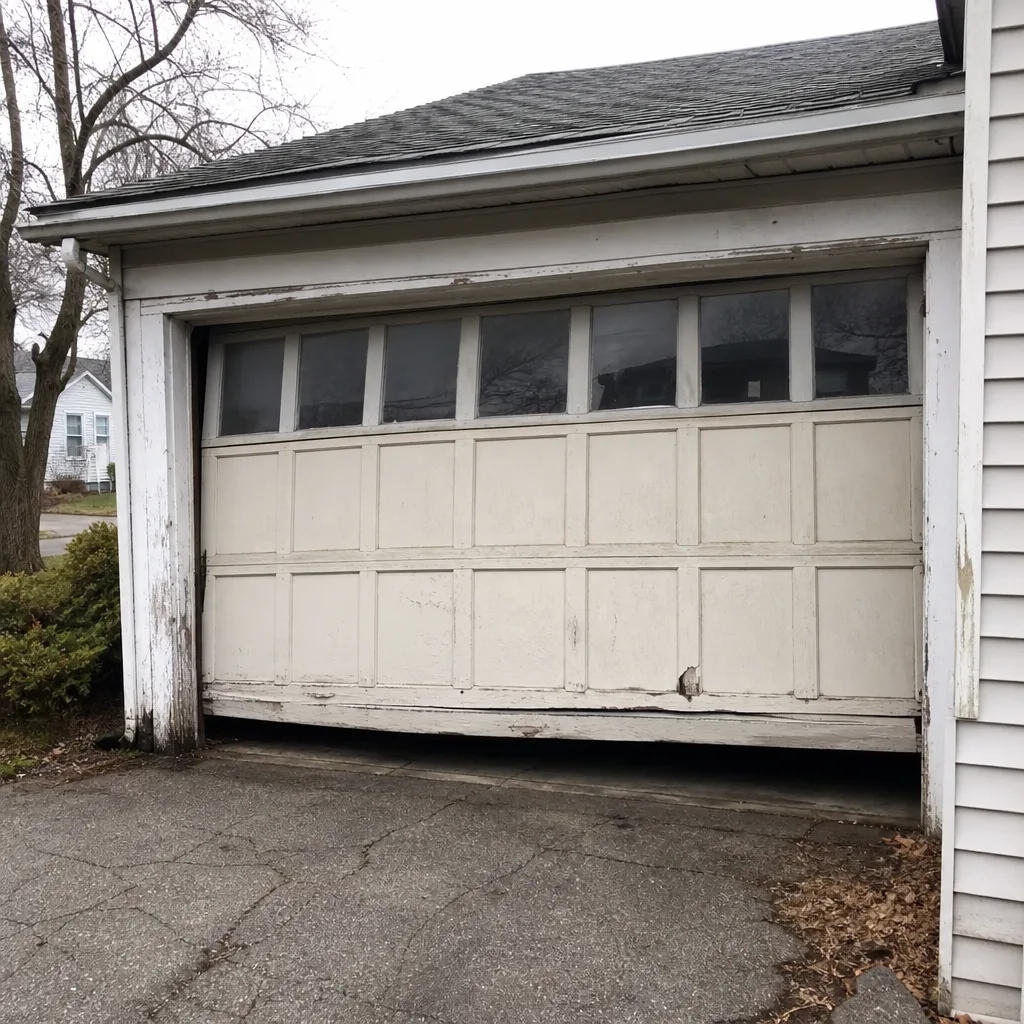 Before
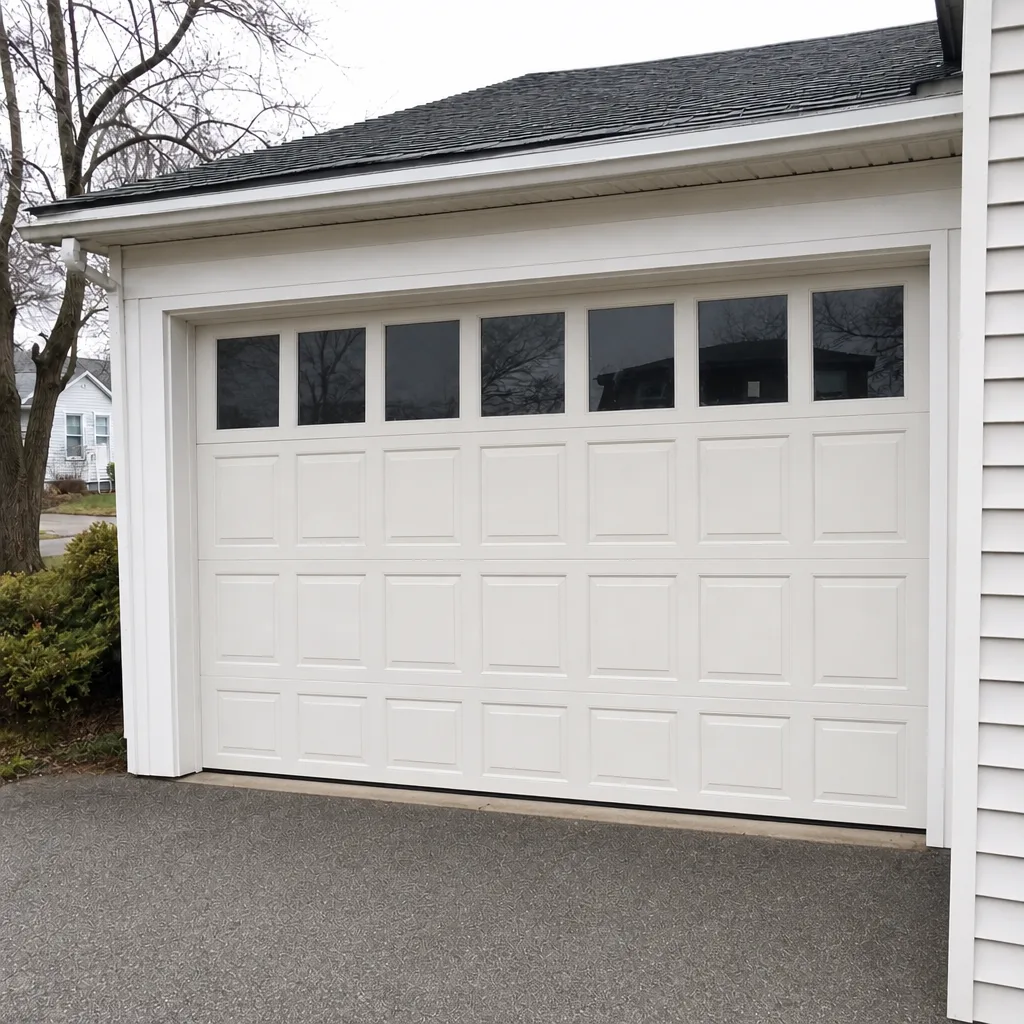 After
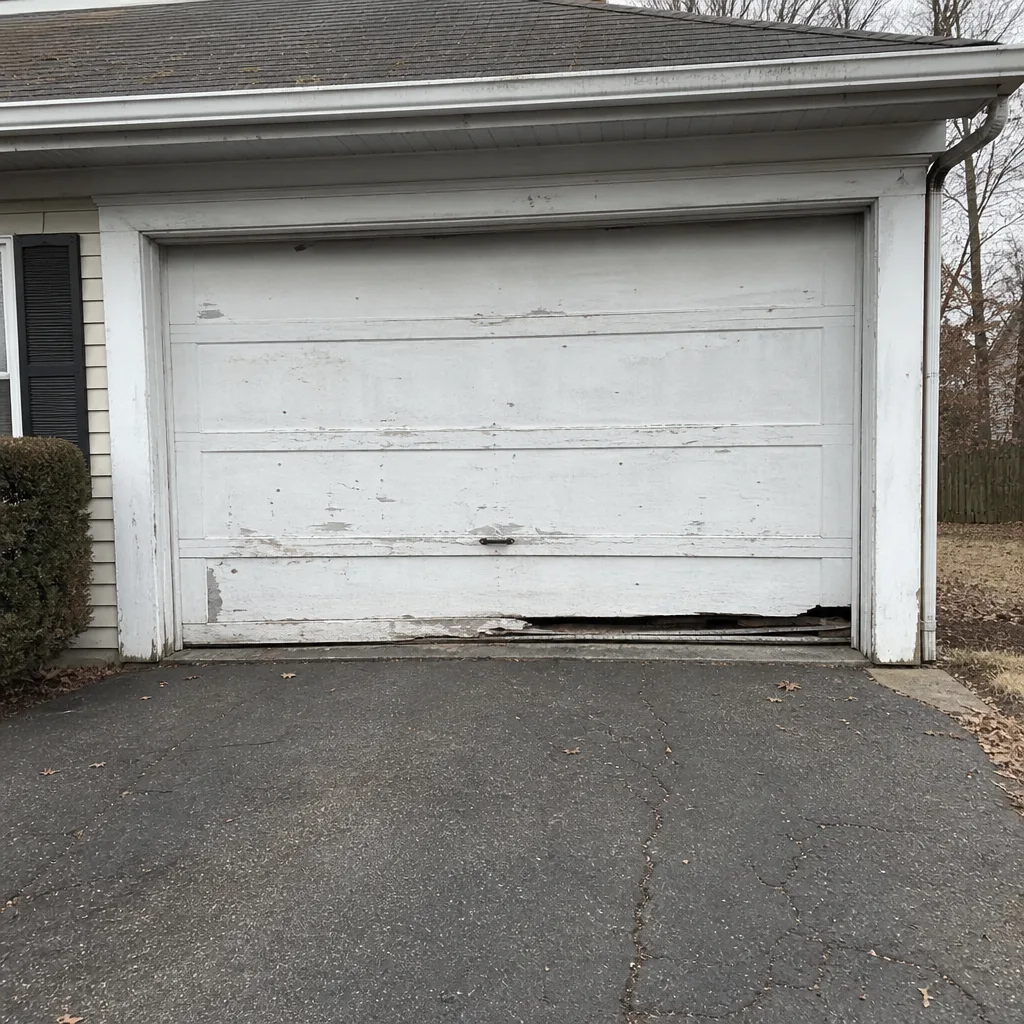 Before
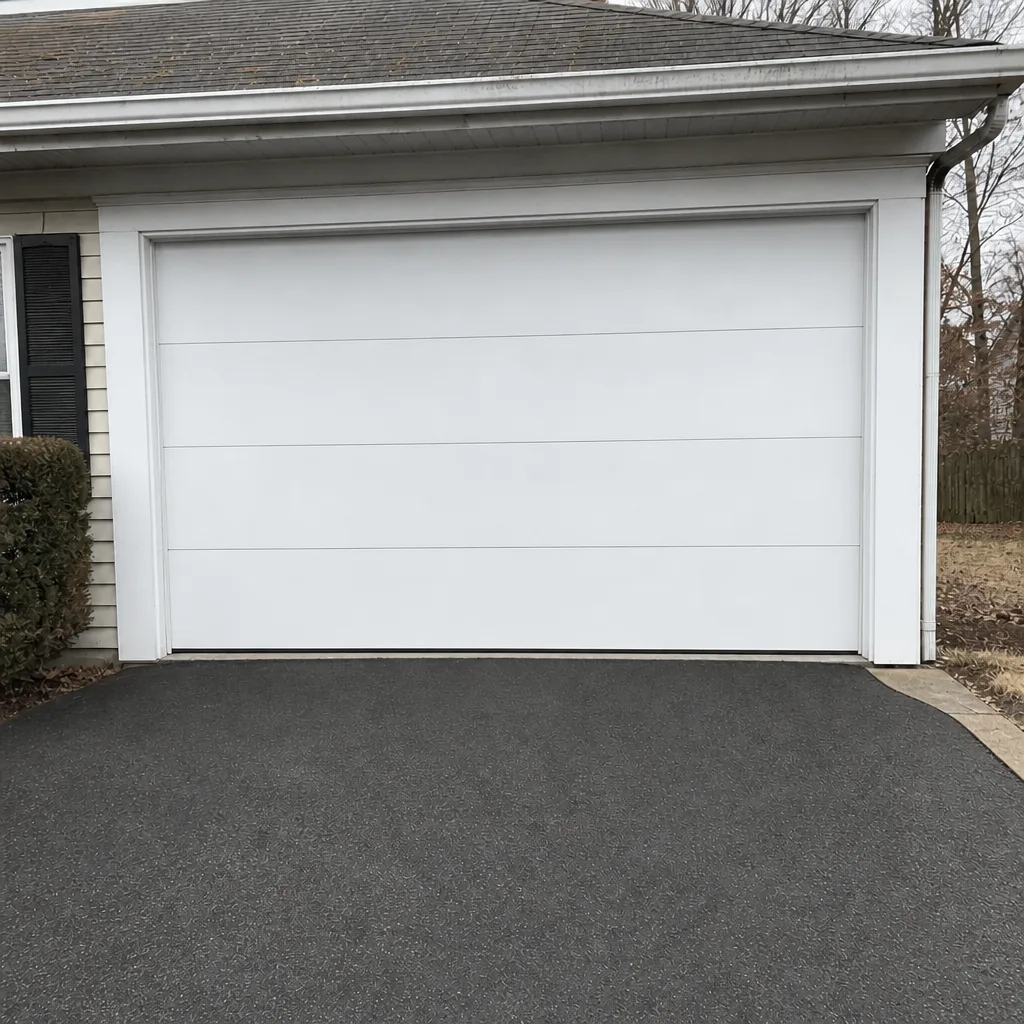 After
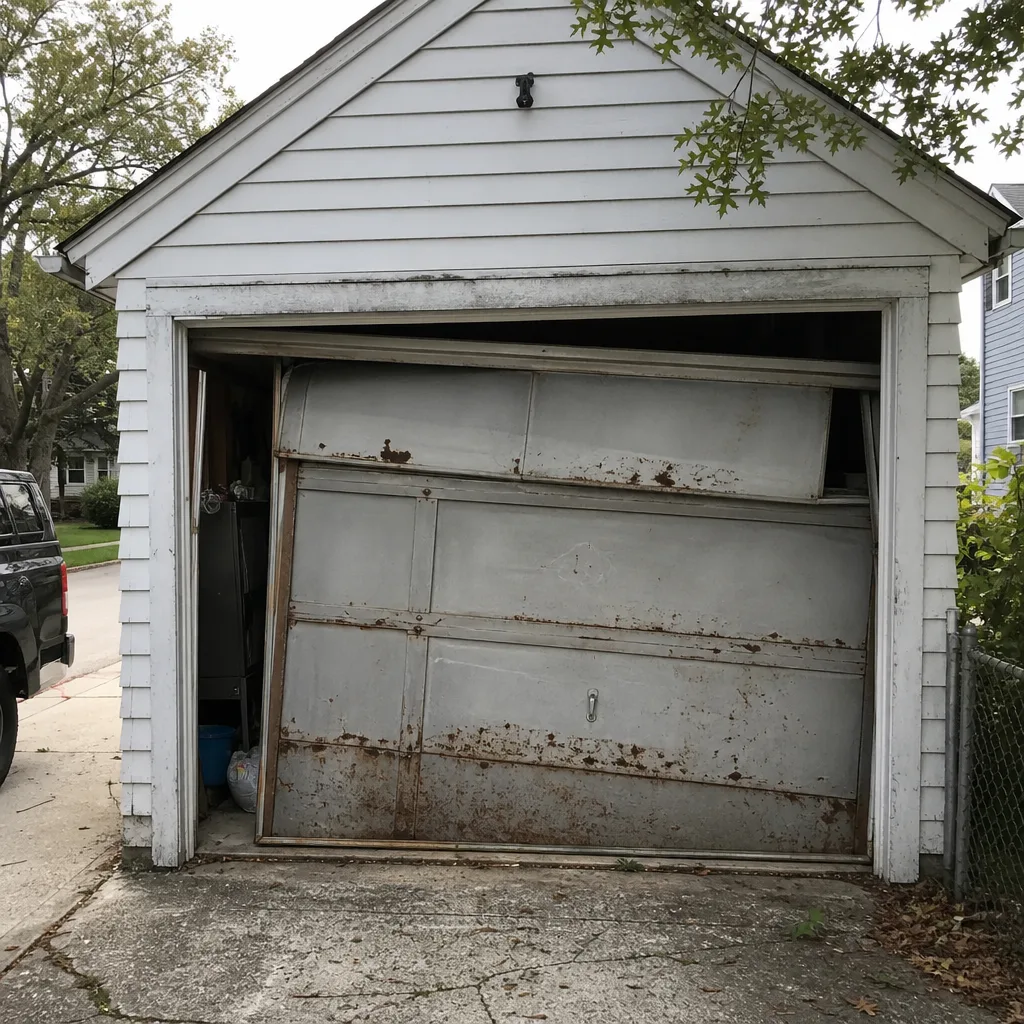 Before
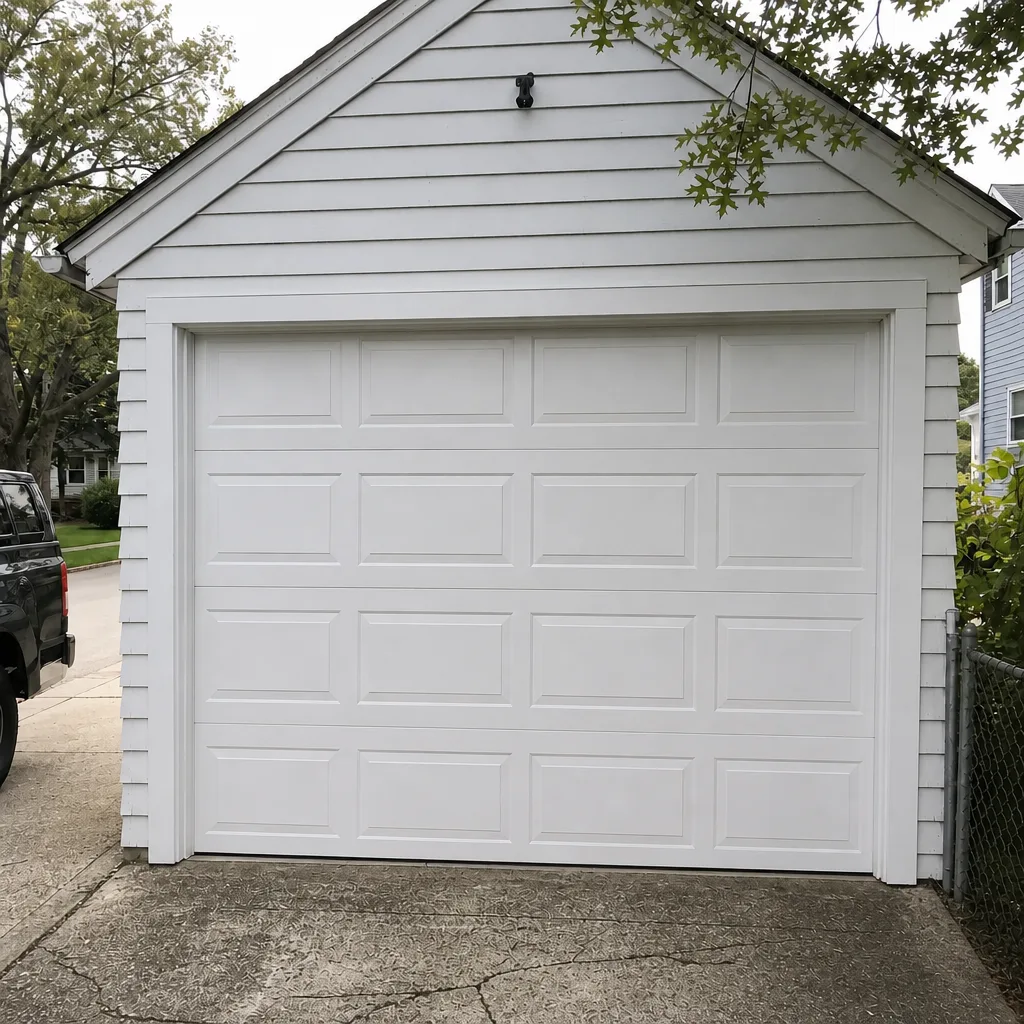 After
When to Call a Professional
Some problems are visual and safe to handle yourself. Others cross a clear line. Call a technician if you see a broken or stretched spring, a cable with a snapped strand or a cable off its drum, a door that drops during the balance test, a bent or kinked track, a panel that has cracked or pulled away from its hinge, an opener that jumps or reverses unexpectedly, or a door that simply won’t open or close. Any of these can put a person at risk or make the repair bigger if you keep operating the door. Norwood Garage Door Repair offers free estimates in Norwood – call (866) 783-4096. We answer 24/7. Fast dispatch from 7am to 7pm, Sunday through Friday.
Frequently Asked Questions
Run the main checks twice a year – a full pass in late fall before the freeze and another in spring after it. The balance test and lubrication are worth doing at those two points, and the safety-reverse test only takes a minute, so do that any time you think of it. If your door gets heavy use, a mid-summer check of the weatherstripping and rollers helps too. For a full tune-up or a repair, call (866) 783-4096 – estimates are free and the price is quoted before any work starts.
No. A torsion spring is wound under extreme tension, and a mistake while adjusting or removing it can cause serious injury. This is the one component we always tell homeowners to leave to a trained technician. Spring work needs specialized winding bars and the right sequence, and it’s a different skill set from general handyman work. If a spring looks stretched, broken, or heavily rusted, stop operating the door and call us at (866) 783-4096.
A door that opens partway and stops is almost always a spring or balance problem, not an opener problem. The opener is relieving itself when it hits the force limit, usually because the door is binding or the spring has lost tension. Check the balance test first – if the door drops at mid-height, that’s your answer. A technician can confirm whether it’s the spring or a track issue. Call (866) 783-4096 for an estimate in Norwood.
A tune-up covers lubricating the right parts, checking and adjusting the balance, tightening hardware, inspecting cables and springs, and testing the safety reverse. Typical tune-up pricing in the Norwood area runs in the low to mid double digits for a basic service visit, while a spring replacement is a separate job priced per spring – a matched pair is usually replaced together and costs about twice a single spring, since the pair shares the load. The written estimate sets the final price, and it’s confirmed before any work starts. Call (866) 783-4096 for an exact quote.
No. Tracks should stay clean and dry – greasing them attracts grit and wears your rollers. Apply lubricant to the rollers, hinges and bearing plates instead, and clean the tracks with a dry cloth or a lightly damp rag. If your tracks are noisy, dry rollers or loose hinges are the usual cause. We can take a look if a noise doesn’t go away after a proper lubrication pass: (866) 783-4096.
Yes. The main winter prep is a balance test before the first hard freeze, a check of the weatherstripping and bottom seal, a pass on the hinge screws, and a light coat of lubricant on the rollers. Freeze-thaw cycles are what stress springs and let water into seams, so catching a stretched spring in the fall is much cheaper than discovering it failed in January. If a door fails in the cold, we answer 24/7 – call (866) 783-4096 and we’ll book it into the next dispatch window.
The Bottom Line
A garage door maintenance checklist is only as useful as its pass/fail criteria. The visible checks – cables, springs, rollers, tracks, panels and hardware – are safe to do yourself as long as you know what normal wear looks like versus a stop-and-call condition. The balance test is the highest-value item on this list, and lubrication belongs on the rollers and hinges, not the tracks. In Norwood, put the heaviest checks in late fall before the freeze and spring after it. Springs and cables stay a technician job. Our technicians have up to 15 years of experience working on the brands homeowners actually own, including Wayne Dalton, Raynor, LiftMaster and Craftsman systems. And remember: the price is quoted and agreed before any work starts.
If something on this list doesn’t look right, or you’d rather have a trained eye check the whole system, we’re a phone call away. Call (866) 783-4096 for a free estimate in Norwood. We answer 24/7. Fast dispatch from 7am to 7pm, Sunday through Friday.
Written by the team at Norwood Garage Door Repair.