
Last updated November 20, 2026
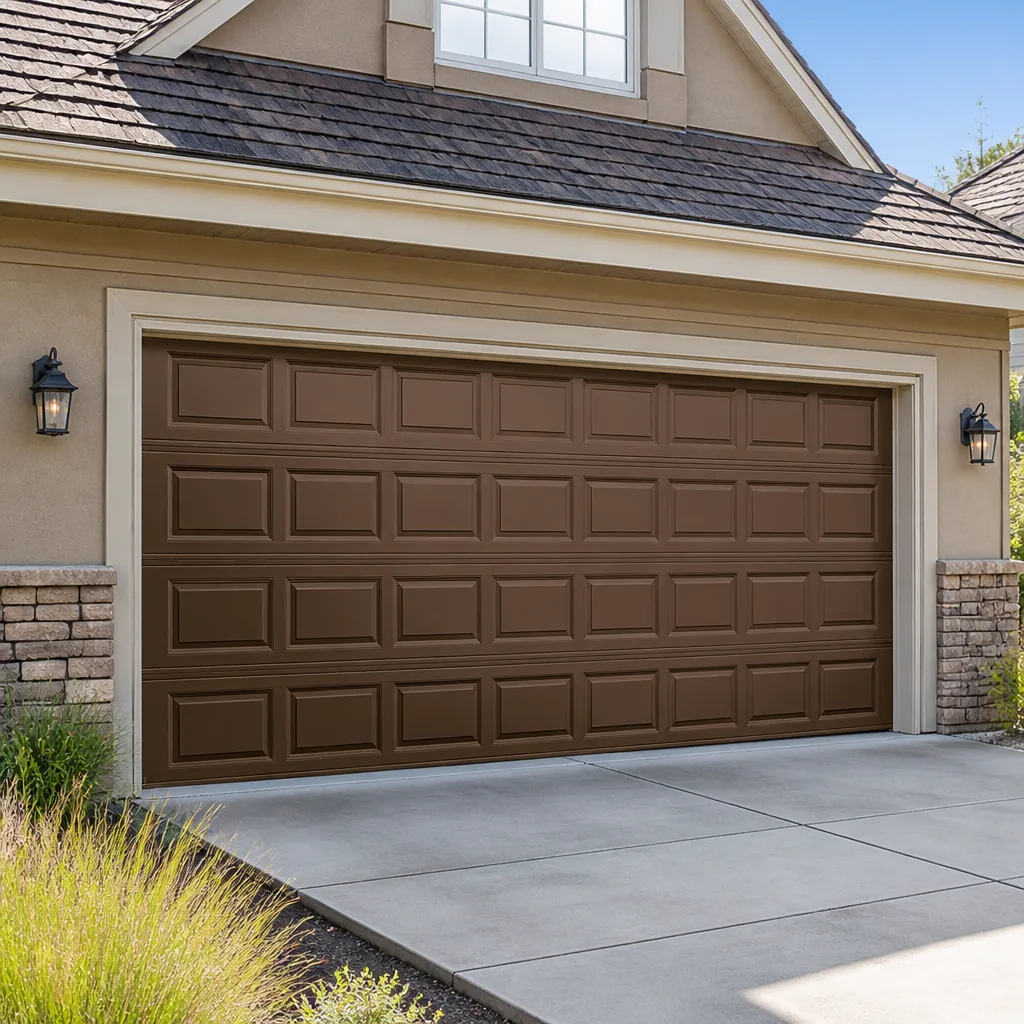 Raised-panel steel
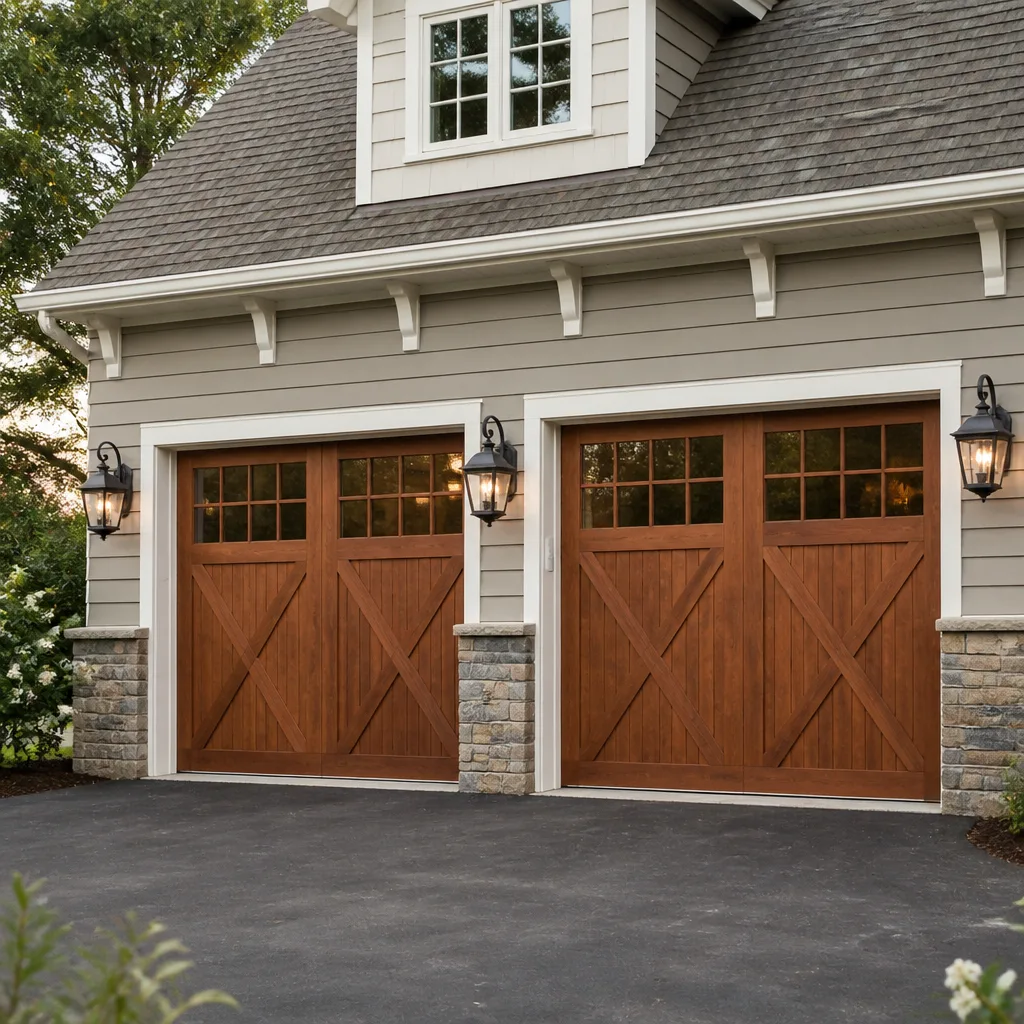 Carriage house
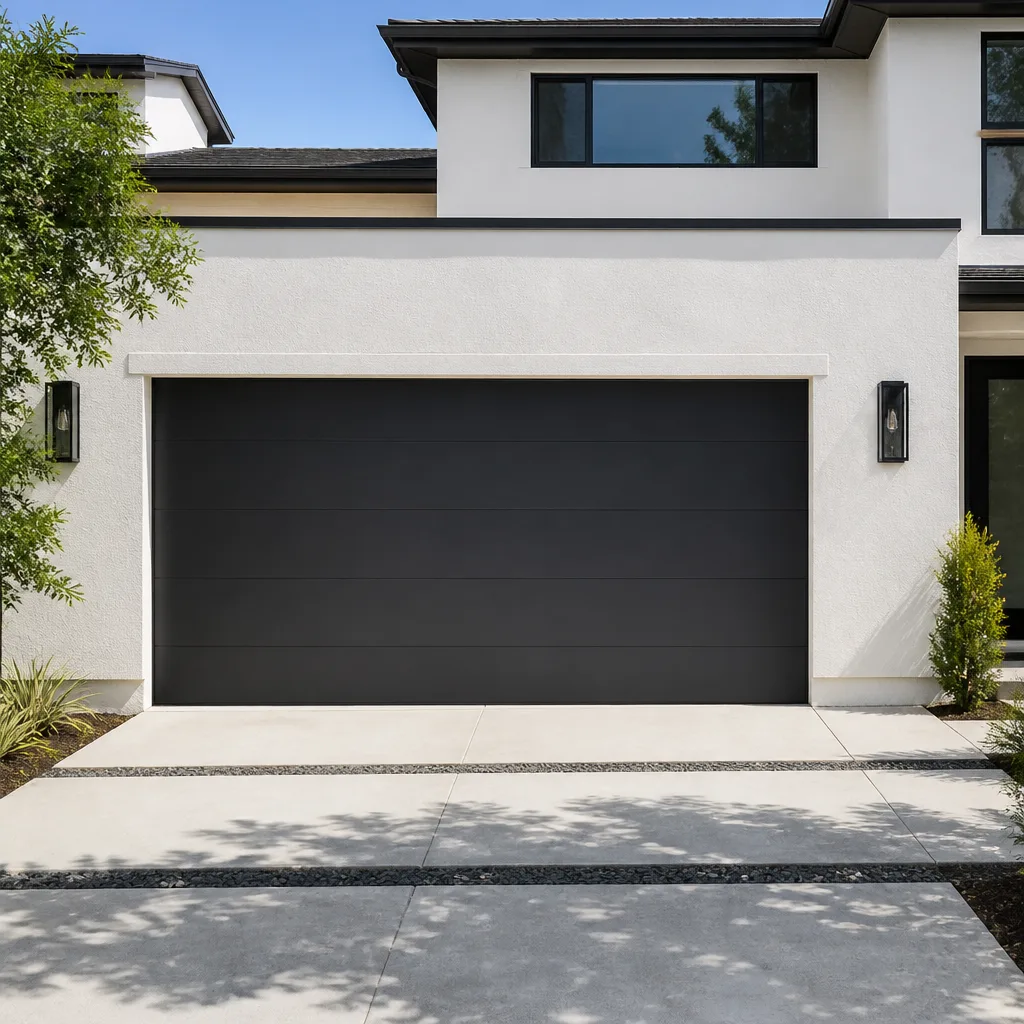 Modern flush
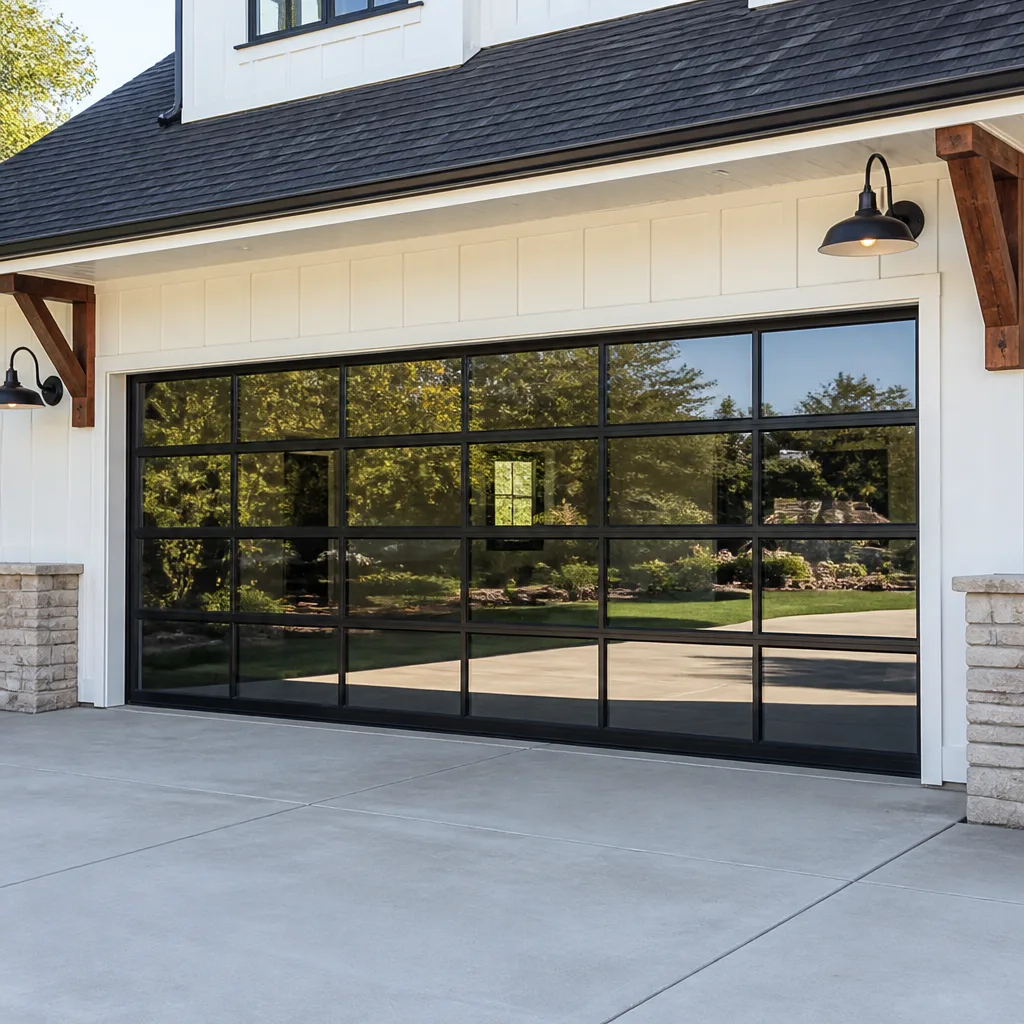 Full-view glass
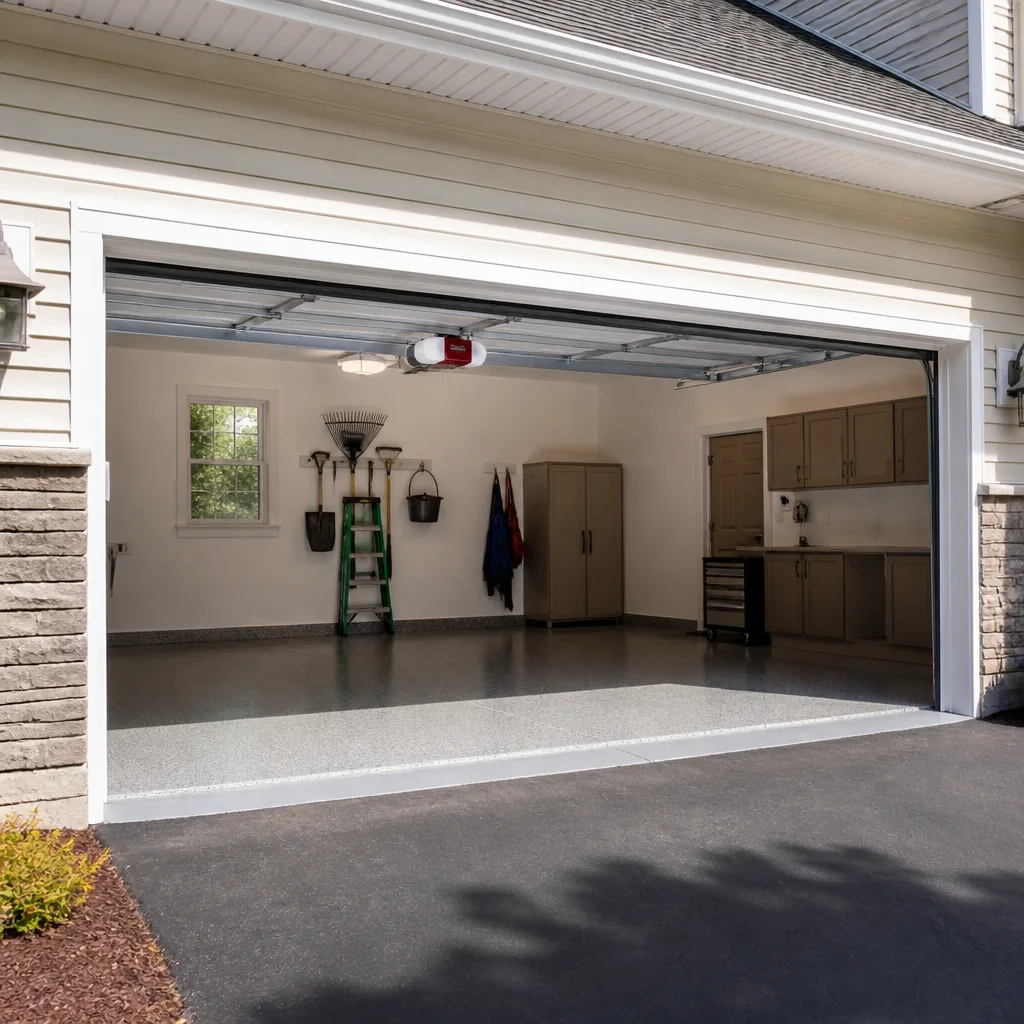 LiftMaster openers
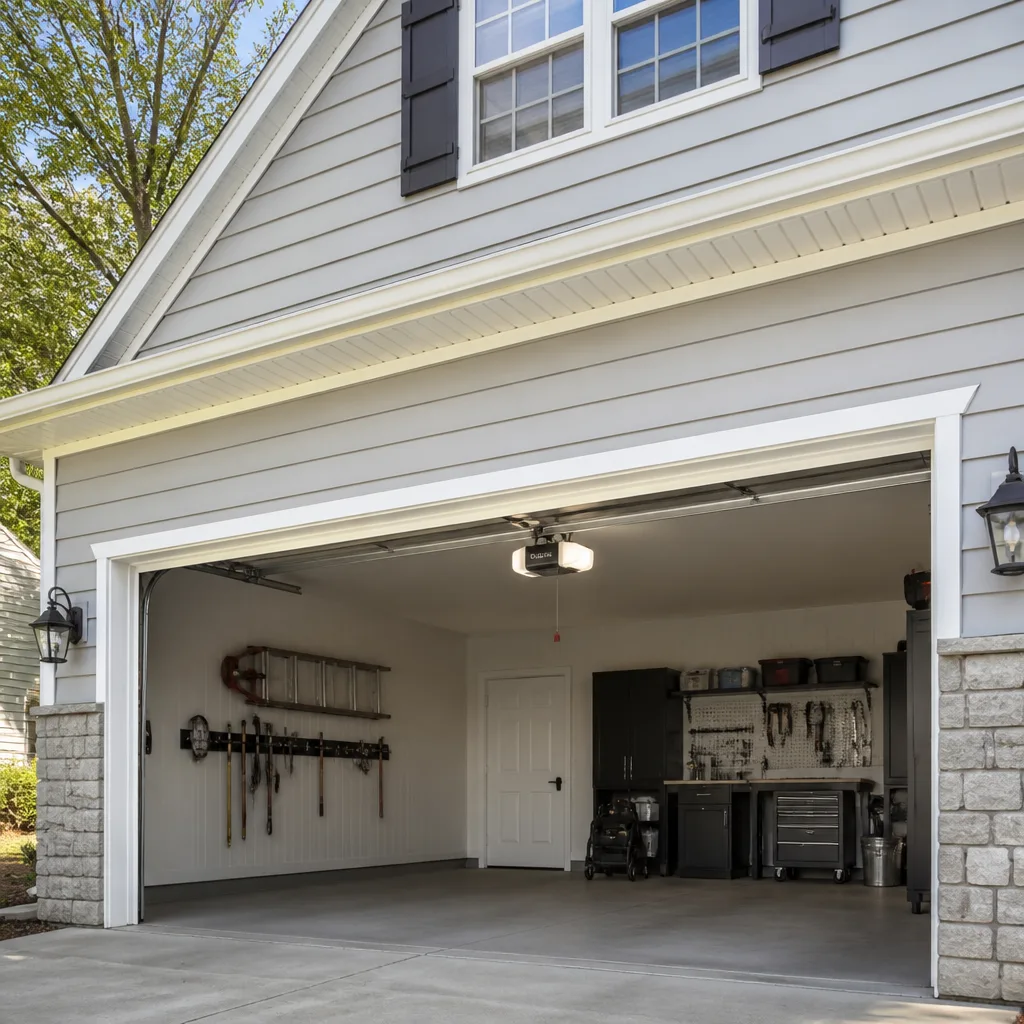 Chamberlain openers
Full 25-point door and opener safety check with every visit - springs, cables, rollers, tracks, and your LiftMaster or Chamberlain opener included
You get a price before we start. It does not change when the pro arrives.
Get your free estimateSeasonal Garage Door Care for Norwood: Year-Round Homeowner’s Guide
Lubricating a garage door in January is close to pointless. Most common lubricants lose their viscosity below 20°F, so a cold hinge that gets sprayed stays dry where it matters, while the parts that actually fail in a Norwood winter were decided back in October by work nobody did. The same backward logic shows up in every season here: a door that binds in April was knocked out of alignment by frost heave weeks earlier, and a panel that warps in August was sealed up too tight in June. Norwood’s climate doesn’t wear garage doors down evenly. It hits them in a specific order, and each season asks for a different job. Below is what each one actually needs, and the few tasks worth doing yourself.
Quick Answer
Seasonal garage door care in Norwood means matching the task to the season: after the spring thaw, check alignment and threshold seals once the ground settles; in summer, watch panel joints and the ventilation gap as humidity swells wood and composite; in fall, do your real lubrication inside the one practical window before cold sets in; and in winter, read opener strain as an early warning, not background noise. Road salt from Washington Street and Route 1 traffic quietly accelerates corrosion on the bottom seal and cables all year, so wash the door base when the roads dry out.
Styles & brands we work with
- Raised-panel steel
- Carriage house
- Modern flush
- Full-view glass
- LiftMaster openers
- Chamberlain openers
Table of Contents
- Why Norwood’s Seasons Hit Garage Doors Differently
- Spring: Frost Heave, Alignment, and the Threshold Seal
- Summer: Humidity, Panel Joints, and the Ventilation Gap
- Fall: The One Lubrication Window That Counts
- Winter: Reading Opener Strain Before It Becomes a Failure
- Year-Round: Road Salt, Bottom Seals, and Cable Corrosion
- A Simple Norwood Seasonal Checklist
- Common Mistakes to Avoid
Why Norwood’s Seasons Hit Garage Doors Differently
A garage door is a moving system held together by tension, tracks, and a motor, and every one of those parts responds to temperature and moisture. Norwood swings through real seasonal extremes: frozen ground and hard cold in winter, a wet thaw in early spring, humid stretches in summer, and a cool, dry fall. Each season stresses a different part of the system, so the failure you get in March was usually set up in February, and the repair you need in December often traces back to missed fall work.
Most homeowners treat garage door care as a single annual chore, if they think about it at all. That’s the mistake. Lubricating in the wrong season wastes the product and can leave a cold door drier than before. Checking alignment in the middle of winter tells you nothing useful, because the ground is still moving. The work that matters is tied to the calendar.
Here’s what we’ve learned working on doors across Norwood: the same model of door in two different climates ages in two different ways. A garage door repair call in Norwood usually involves something the local weather made worse, whether that’s a frost-shifted track, a swollen wood panel, or a bottom seal chewed up by road salt. Understanding the seasonal pattern lets you catch most of those before they become repairs.
This guide walks through each season in order, tells you what to check yourself and what to leave alone, and flags the parts that are genuinely dangerous. Springs and cables are in that last category, and we’ll be clear about why.
Spring: Frost Heave, Alignment, and the Threshold Seal
When the ground thaws, it doesn’t thaw evenly, and the slab your garage sits on can shift by small amounts as the frost leaves. That movement is called frost heave, and it’s the reason a door that ran perfectly in January suddenly scrapes, binds, or leaves a gap at the floor in April. The door didn’t change. The ground underneath it did.
What frost heave does to the door
Garage door tracks are anchored to the floor and the framing, and when the floor moves even slightly, the tracks can go out of plumb. A track that’s a fraction off will pull the rollers sideways, which shows up as a door that runs rough, squeals, or stops partway. The threshold seal is the other casualty. As the slab settles back, the seal that once sat snug against the floor can lift, leaving a gap that lets in water, cold air, and small pests.
The adjustment to make after the ground settles
Wait until the ground has stabilized, usually a few weeks after the last hard freeze, before you bother checking anything. Checking too early means checking a door on moving ground, and any adjustment you make then will be wrong by May.
- Open and close the door a few times by hand, watching for scrape or uneven travel. A door that drags on one side points to a track out of alignment.
- Look at the gap under the bottom seal with the door fully closed. A visible gap on one side, or a seal that no longer touches the floor, means the seal or the door’s travel limits need attention.
- Check the vertical tracks with a level. If one is clearly off, it needs a realignment, which is a job for a trained technician because the door is under tension while you work on it.
- Inspect the weatherstripping along the sides and top. Spring moisture finds every crack, and a seal that’s pulled away lets water in behind the door.
- Listen for a change in sound. A door that was quiet in January and rattles in April is telling you something moved.
If a track has shifted or the door is binding, don’t force it. A misaligned door puts stress on the springs, and that’s the last component you want overworked. A quick visit from a technician can reset the tracks and adjust the travel before the extra strain shows up as a snapped spring in summer.
Summer: Humidity, Panel Joints, and the Ventilation Gap
Summer in Norwood brings humidity, and humidity is hard on wood and composite garage doors. Panels absorb moisture at the joints and edges first, and when they swell, the joints tighten. That sounds minor until the swelling is uneven, which can bow a panel, crack the paint along a seam, and eventually jam the door against its own frame.
How humidity affects wood and composite panels
Wood moves with moisture. In a humid summer it expands, and in a dry winter it shrinks back. That constant cycle works the seams and the finish, and a door that isn’t properly sealed at the edges is where it starts. Composite panels handle moisture better than raw wood, but the joints are still the weak point, especially where the finish has worn thin.
This is where a brand detail matters. Clopay and Amarr both make doors in wood-look and composite materials that are popular in Norwood, and each has its own recommended care for the finish. Knowing which one you have changes what you should be doing in July.
The ventilation gap that prevents warping
A sealed-up garage with no airflow traps humid air against the door’s interior face, and that’s what warps panels. The fix isn’t complicated: keep a small ventilation gap so air can move. If you have a window or vent in the garage, leave it cracked in humid weather. If you don’t, open the garage door for a while on dry days to let the trapped moisture out. A dehumidifier helps in a finished garage, but the simplest tool is airflow.
- Wipe down the panel edges after a humid stretch and look for swelling or separation at the seams.
- Check the finish on wood and composite doors and touch up any worn spots before moisture gets into the wood itself.
- Confirm the bottom seal still sits flat and isn’t holding water against the door.
- Look for paint cracking along joints, which is the first visible sign of movement.
If a panel has already warped or a joint has opened, that’s a repair rather than a maintenance task. Catching it early keeps the fix small.
Fall: The One Lubrication Window That Counts
Fall is the only season where lubrication does what you want it to do. The air is cool but not cold, the metal isn’t frozen, and the lubricant you apply will still be doing its job when winter arrives. Do this in October, and you’ve set the door up for the cold months. Do it in January, and most of it is wasted.
Why the timing matters
Most common lubricants thicken and lose viscosity as temperatures drop, and below about 20°F they stop flowing into the tight spots where metal meets metal. A hinge sprayed in January stays dry where it counts. A hinge sprayed in October has weeks of mild weather to work the lubricant in before the cold sets, and that film is still there in February.
Which components get which product
Not everything on a garage door wants the same lubricant. Using the wrong one attracts dirt, gums up, or does nothing. Here’s the breakdown we use:
- Hinges and rollers: a lubricant designed for garage door hardware, applied sparingly at the pivot points. Too much attracts grit.
- Torsion springs and extension springs: a light coating on the coils, never a thick layer. We recommend this only on the spring surface, never as an invitation to adjust the spring yourself.
- Tracks: these should be cleaned, not greased. A dry cloth and a light wipe is right; lubricant in the tracks collects dirt and makes the door run worse.
- Opener chain or belt: follow the opener maker’s guidance. A Chamberlain or Genie unit has its own recommendation, and over-lubricating a belt-driven opener is a common mistake.
- Weatherstripping and seals: a silicone-based product keeps them pliable through winter, when rubber stiffens and cracks.
The pre-winter checklist that actually matters is short: lubricate the moving metal, clean the tracks, condition the seals, and tighten any loose hardware you can safely reach. Everything else can wait. What you’re doing is reducing friction before the cold makes friction worse.
Winter: Reading Opener Strain Before It Becomes a Failure
Winter is when the opener does the most work against the most resistance. Cold thickens the lubricant, stiffens the seals, and makes the whole door harder to move. An opener that’s healthy handles that extra load. An opener that’s already marginal starts to show it, and if you know what to watch for, you get a warning before the door stops working entirely.
What strain looks like
- Slow movement: the door moves noticeably slower than it did in fall. The opener is fighting resistance.
- Motor hum with little motion: you hear the motor run but the door barely moves or doesn’t move at all. That’s a clear sign of strain or a failing component.
- Reversing for no reason: the door stops and reverses partway up. Cold can trip the safety sensors, but it can also be the opener’s force limits being exceeded.
- A rattle or grind: something is loose or worn, and the cold is amplifying it.
Temperature-only issue vs. a real warning
Some winter sluggishness is just cold. A door that hesitates for a second on the coldest mornings and then runs normally is likely dealing with stiff lubricant and seals. That’s a temperature issue. A door that’s getting slower week by week, or that hums without moving, is giving you a warning. The difference is whether the behavior is stable or getting worse.
If the opener is straining, don’t crank up the force setting to make it work. That masks the problem and wears the motor faster. The better move is to have the opener checked, including the force limits and the safety reverse, and let a technician confirm whether the door or the opener is the source. A garage door opener repair visit in winter often finds that the opener was fine and the door was the problem, which is exactly why we look at the whole system rather than just the motor.
One more winter note: if a spring snaps in the cold, that’s a job for a professional. Torsion and extension springs are under extreme tension, and the tools and training required aren’t something to improvise. A garage door spring repair is the single most dangerous component of any garage door system to work on without the right equipment.
Year-Round: Road Salt, Bottom Seals, and Cable Corrosion
Norwood’s roads get salted through the winter, and that salt doesn’t stay on the road. It ends up as spray and splash, especially near Washington Street and the Route 1 corridor, and it settles on the lower part of your garage door, the bottom seal, and the cables that run along the sides. Over a season, that salt accelerates corrosion on the metal parts closest to the ground.
The bottom seal is the first to go. It’s rubber or vinyl, it sits right at splash level, and salt dries on it and cracks it. Once the seal cracks, water gets in and the corrosion moves up to the bottom bracket and the lower cable. The cables are the part that matters most, because a corroded cable can fray and fail, and a failed cable is a safety issue.
Here’s what we recommend:
- When the roads dry out after a salting, rinse the bottom of the door and the seal with plain water. You’re not trying to scrub; you’re diluting the salt before it sits.
- Inspect the bottom seal for cracks or stiffness each season. A stiff, cracked seal no longer seals, and it’s cheap to replace before it lets water in.
- Look at the cables where they run down the sides. Fraying, rust, or a cable that’s lost tension is a call-a-professional situation, not a keep-an-eye-on-it situation.
- Keep the bottom bracket and the lower track clear of built-up salt and grit.
Corrosion is slow and quiet, which is why it’s the easiest problem to miss. A door that worked fine in November can have a cable that’s been quietly rusting all winter, and the first sign is a failure. Checking the base of the door a few times a year is one of the simplest habits you can build.
A Simple Norwood Seasonal Checklist
If you want the short version, here’s the calendar we’d hand a Norwood homeowner. It’s built around the local climate, not a generic maintenance schedule.
- Early spring (after the thaw): check door travel and alignment, inspect the threshold seal, look for gaps at the floor, and listen for new noises.
- Late spring: realign any shifted tracks and replace a worn bottom seal before summer heat and humidity arrive.
- Summer: watch panel joints and edges for swelling, keep a ventilation gap, touch up worn finish on wood and composite doors, and check the bottom seal for water damage.
- Early fall: lubricate hinges, rollers, and springs; clean the tracks; condition the seals; tighten loose hardware; test the safety reverse.
- Late fall: check the opener’s force settings and listen for strain, and clear any debris from the tracks before the first freeze.
- Winter: watch for slow movement and motor hum, keep the area around the door clear of snow and ice, and rinse salt off the base when the roads dry.
- Any time: if you hear a snap, see a cable fray, or the door won’t close securely, stop using it and call a technician.
That’s the whole cycle. Most of it is checking, not fixing, and the fixes are small when you catch them in season.
Common Mistakes to Avoid
- Lubricating in January. Cold lubricant doesn’t flow into the tight spots, and most of what you spray in deep winter does nothing. Do the real lubrication in fall, when the product can still work.
- Greasing the tracks. Tracks should be clean and dry. Lubricant in the tracks collects dirt and grit, and the door runs worse than before.
- Cranking up the opener’s force setting. When the opener strains in winter, raising the force makes it push through resistance that’s still there. It masks the problem and wears the motor faster.
- Checking alignment too early. Checking a door while the ground is still heaving means you’re adjusting to a moving target. Wait until the ground has settled, then check.
- Ignoring the bottom seal. In Norwood, the seal takes the brunt of road salt spray. A cracked seal lets water in and starts the corrosion that reaches the cables.
- Sealing the garage tight in summer. A garage with no airflow traps humid air against the door and warps wood and composite panels. Keep a small ventilation gap.
- Working on springs or cables yourself. Torsion and extension springs are under extreme tension, and a mistake can cause serious injury. Leave spring and cable work to a trained technician.
See the difference
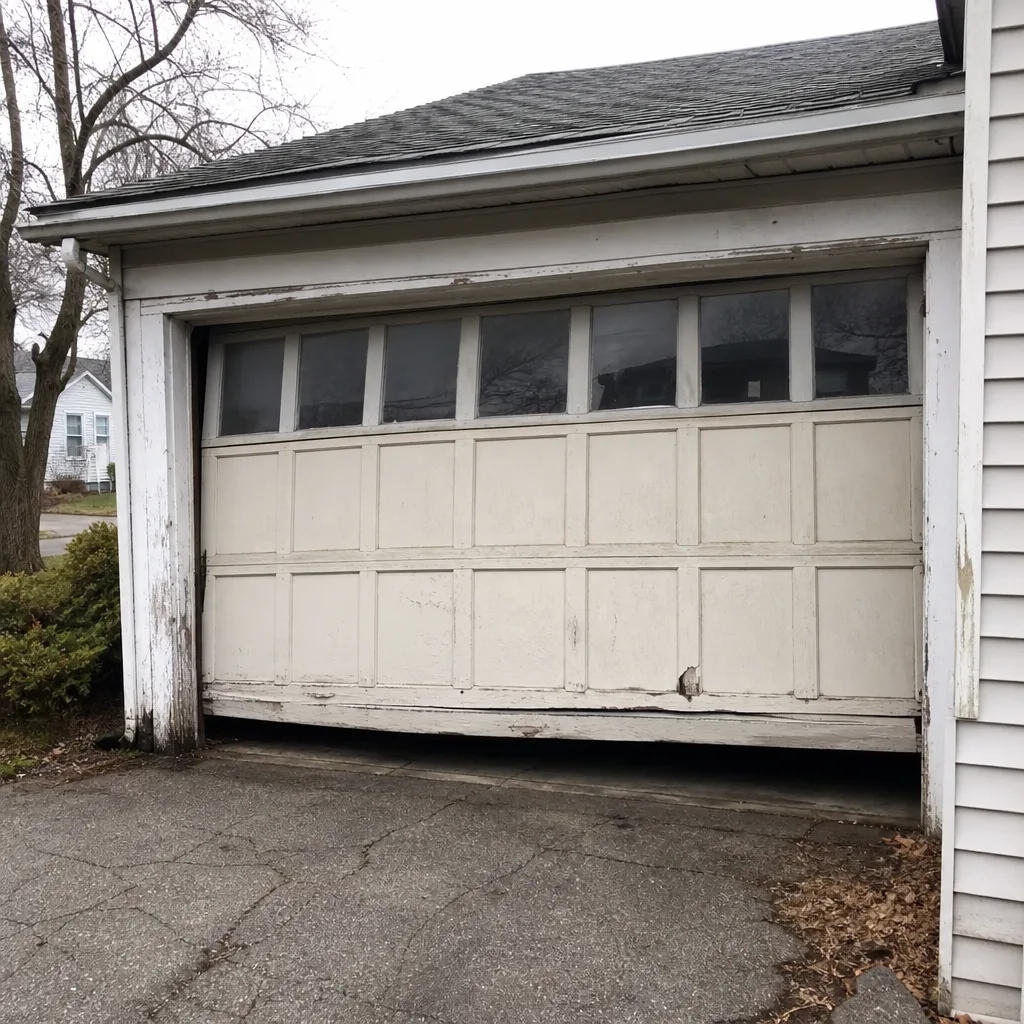 Before
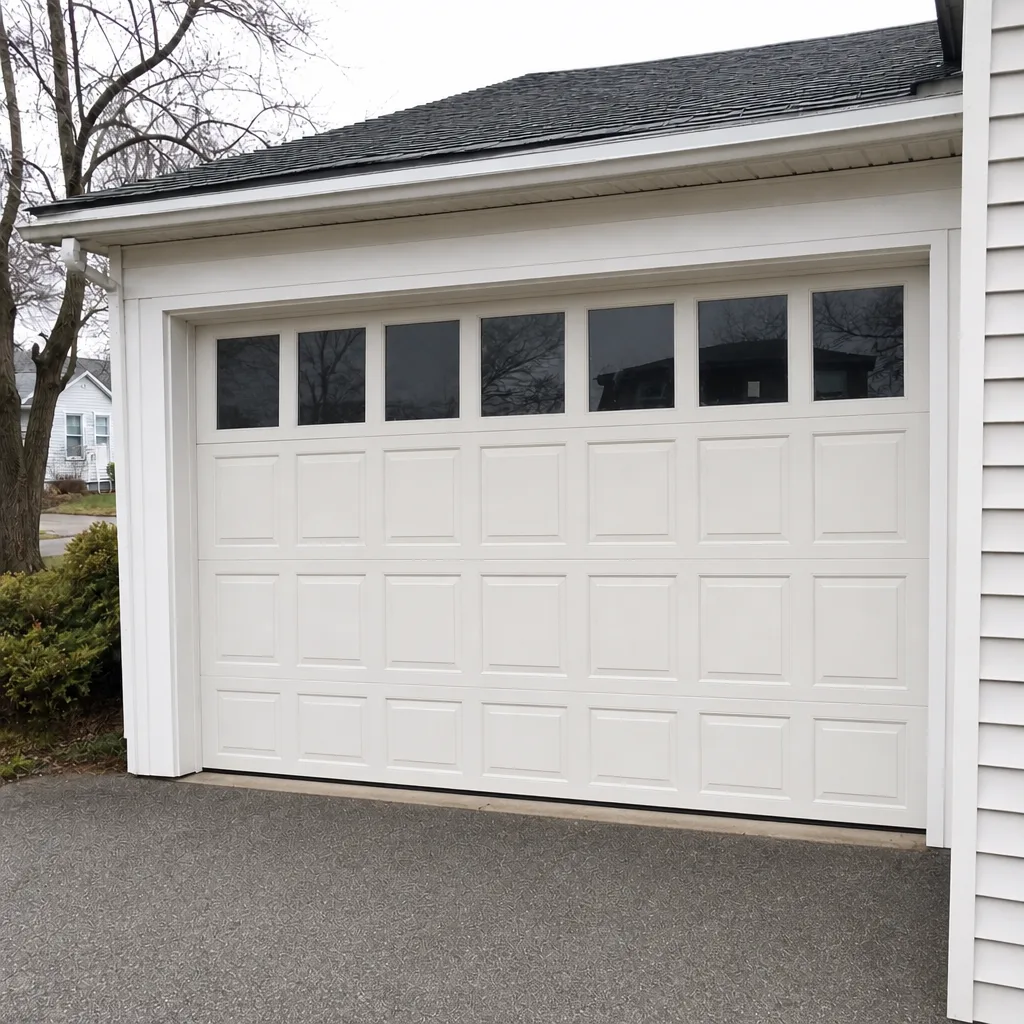 After
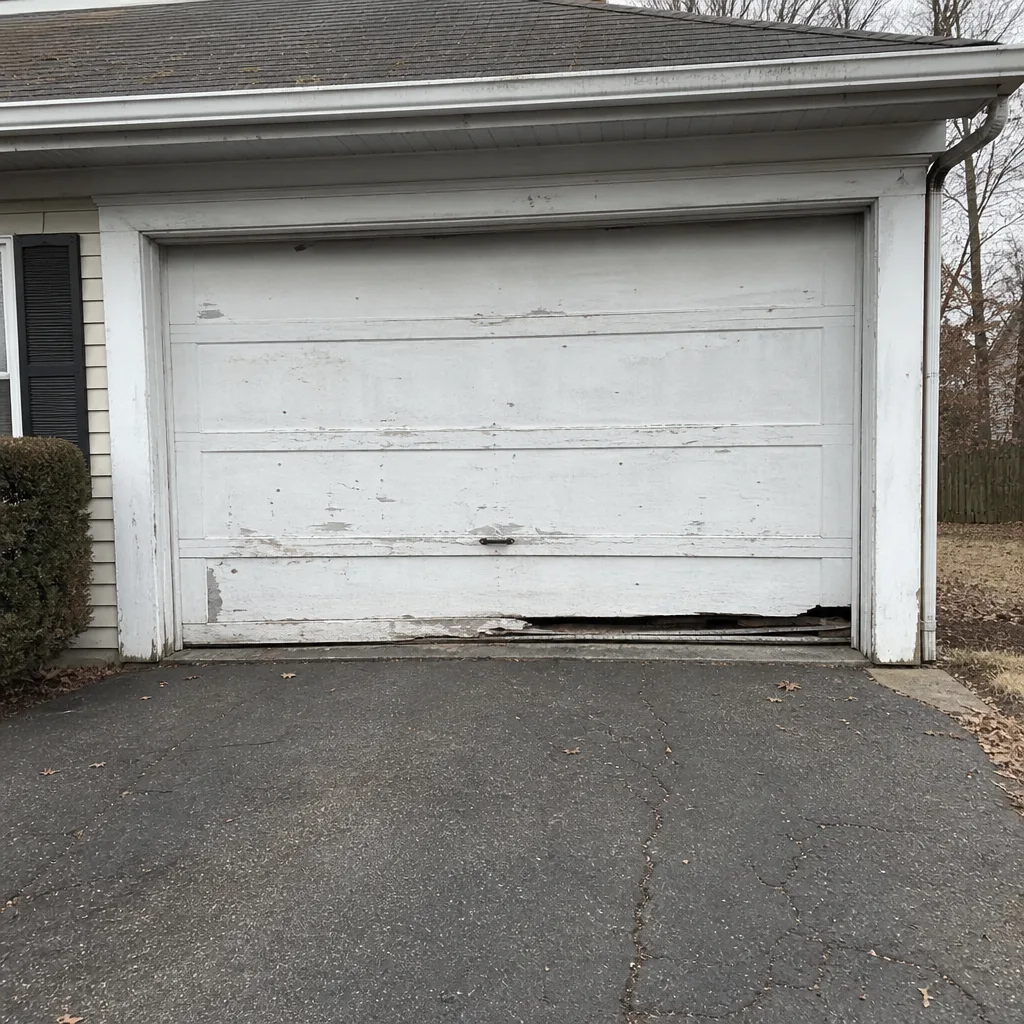 Before
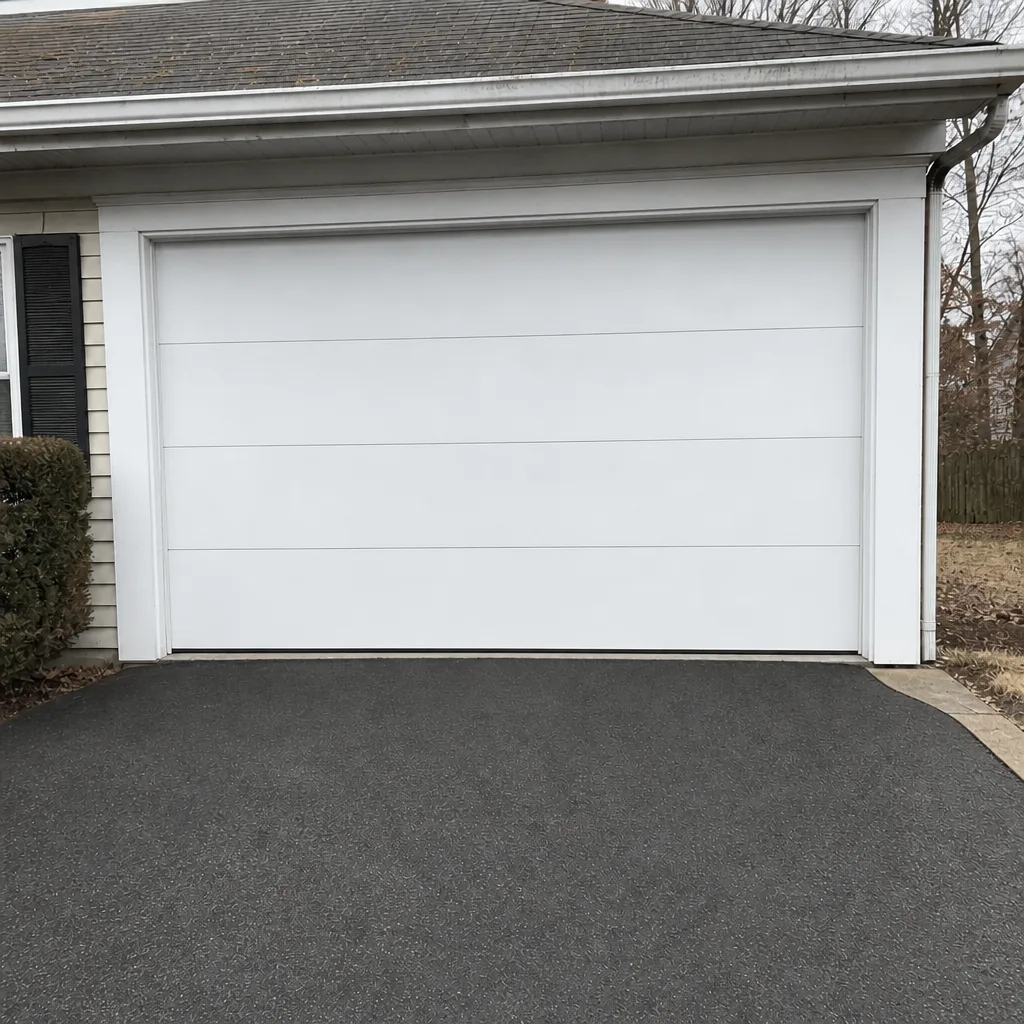 After
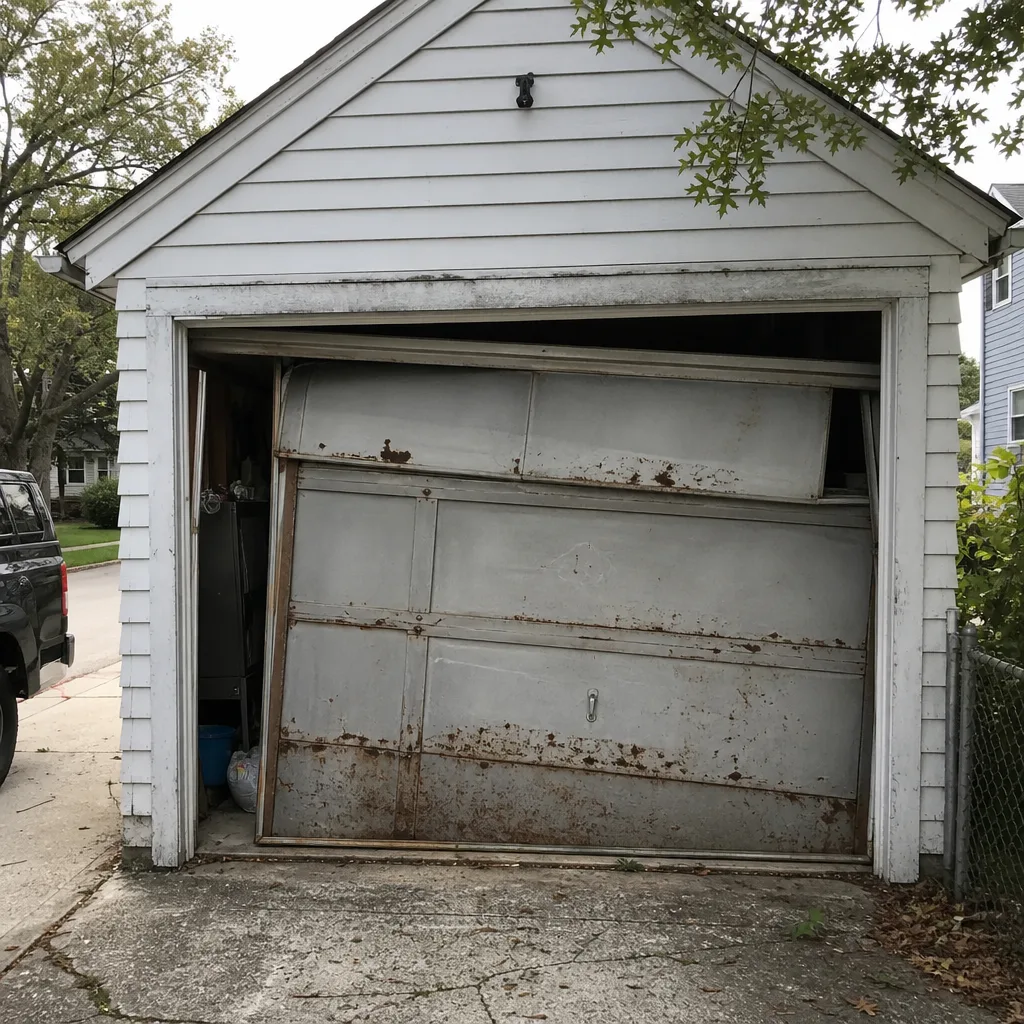 Before
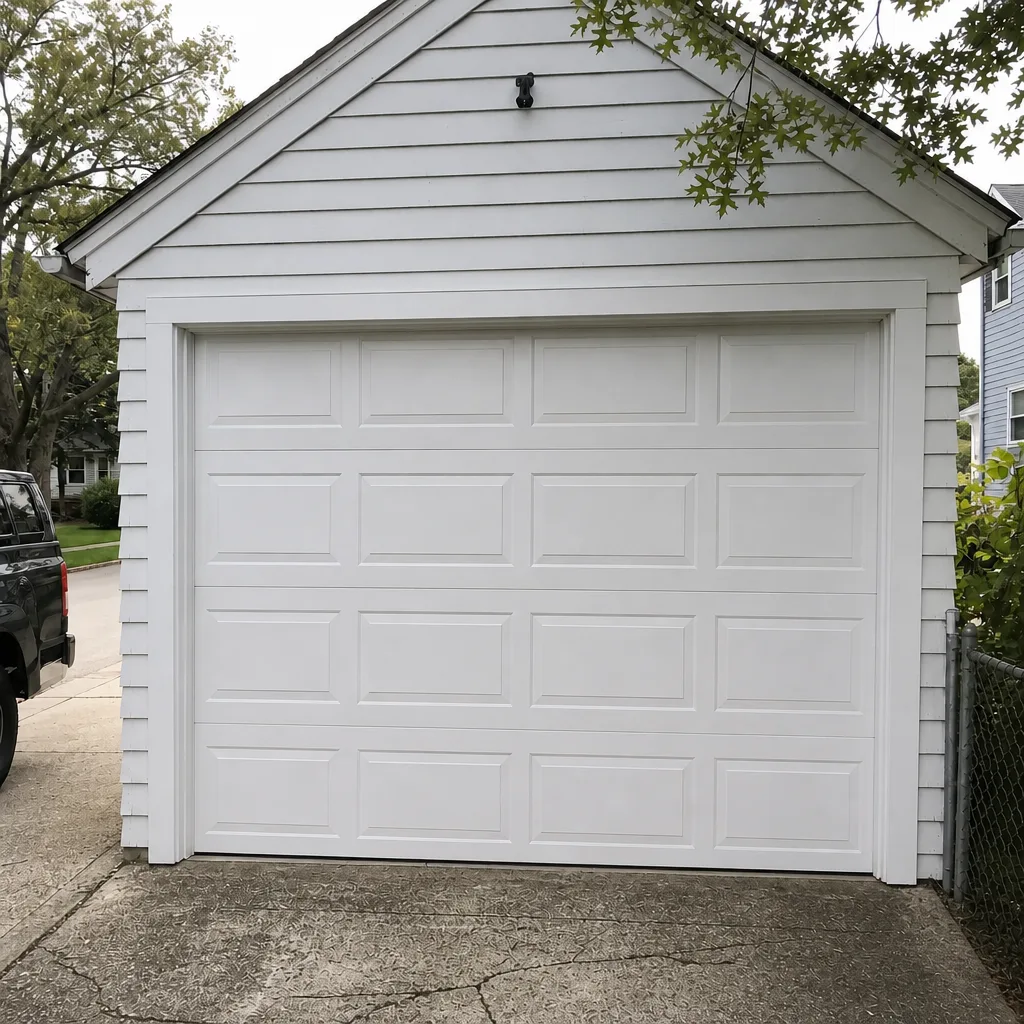 After
When to Call a Professional
Some seasonal care is a homeowner job. Spring and cable work never is, and neither is anything that involves the door binding, a track that’s clearly out of line, or an opener that’s straining or reversing on its own. If you hear a snap, see a frayed cable, or the door won’t close all the way and seal against the floor, stop using the opener and call. A door that’s stuck open is a security problem, and a door that’s struggling is putting strain on parts that cost more to replace than to adjust.
Norwood Garage Door Repair offers free estimates in Norwood. We work on the brand you already have, including Chamberlain, Genie, Clopay, and Amarr systems, and because we cover the door, the opener, and the springs, you’re not coordinating three contractors for one problem. Call (866) 783-4096. We answer 24/7. Fast dispatch from 7am to 7pm, Sunday through Friday.
Frequently Asked Questions
Fall, ideally in October, is the one practical lubrication window in Norwood. The air is cool but not frozen, the lubricant can still flow into hinges and rollers, and the film it leaves is still working in February. Lubricating in deep winter is mostly wasted because most products lose viscosity below about 20°F.
Frost heave is the usual cause. When the ground thaws, the slab under the garage can shift slightly, and that movement pulls the tracks out of alignment and lifts the threshold seal. Wait until the ground settles, then have the tracks checked and the seal inspected. A door that binds in spring shouldn’t be forced, because the extra strain goes straight to the springs.
Cold-only sluggishness is stable: the door hesitates briefly on the coldest mornings and then runs normally. A real problem gets worse over time. Slow movement that’s slower each week, a motor hum with little or no door motion, or a door that reverses partway up are all warnings worth a professional look. Call (866) 783-4096 for an exact quote; estimates are free.
Yes, especially near Washington Street and the Route 1 corridor, where winter traffic throws salt spray onto the lower part of the door. Salt settles on the bottom seal and the lower cables and accelerates corrosion. Rinse the base of the door with plain water once the roads dry out, and inspect the seal and cables each season.
Often, yes. Spring repair is a same-day job in many cases, and it’s one we handle carefully because torsion and extension springs are under extreme tension. If your spring has snapped, don’t try to open the door by hand or work on the spring yourself. Call us and we’ll get it assessed, and the price is quoted and agreed before any work starts.
It can, particularly on wood and composite doors. Panels absorb moisture at the joints and edges, and uneven swelling can bow a panel or crack the finish. The simplest prevention is airflow: keep a small ventilation gap so humid air doesn’t sit trapped against the door’s interior face. Touch up worn finish before moisture gets into the material.
The Bottom Line
Norwood’s seasons don’t wear a garage door down the same way. Spring is about the ground settling and the door’s alignment; summer is about humidity and panel movement; fall is the only window where lubrication really works; and winter is when opener strain tells you what the rest of the year missed. Road salt runs underneath all of it, working on the bottom seal and cables year-round. The good news is that most of this is checking rather than fixing, and the checks are simple. Do the small work in season, leave the springs and cables to a technician, and the door holds up. When something needs a professional, call Norwood Garage Door Repair at (866) 783-4096 for a free estimate.
Written by the team at Norwood Garage Door Repair.