
Last updated November 20, 2026
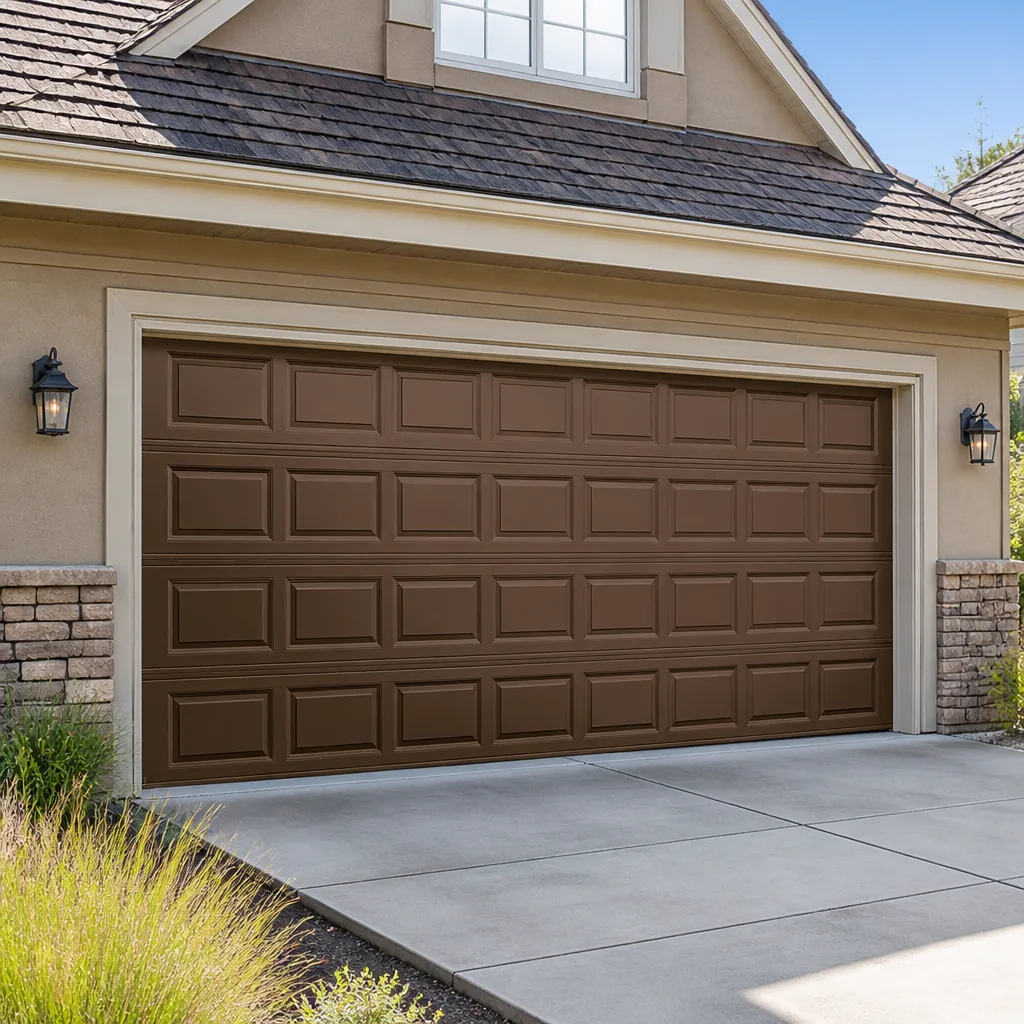 Raised-panel steel
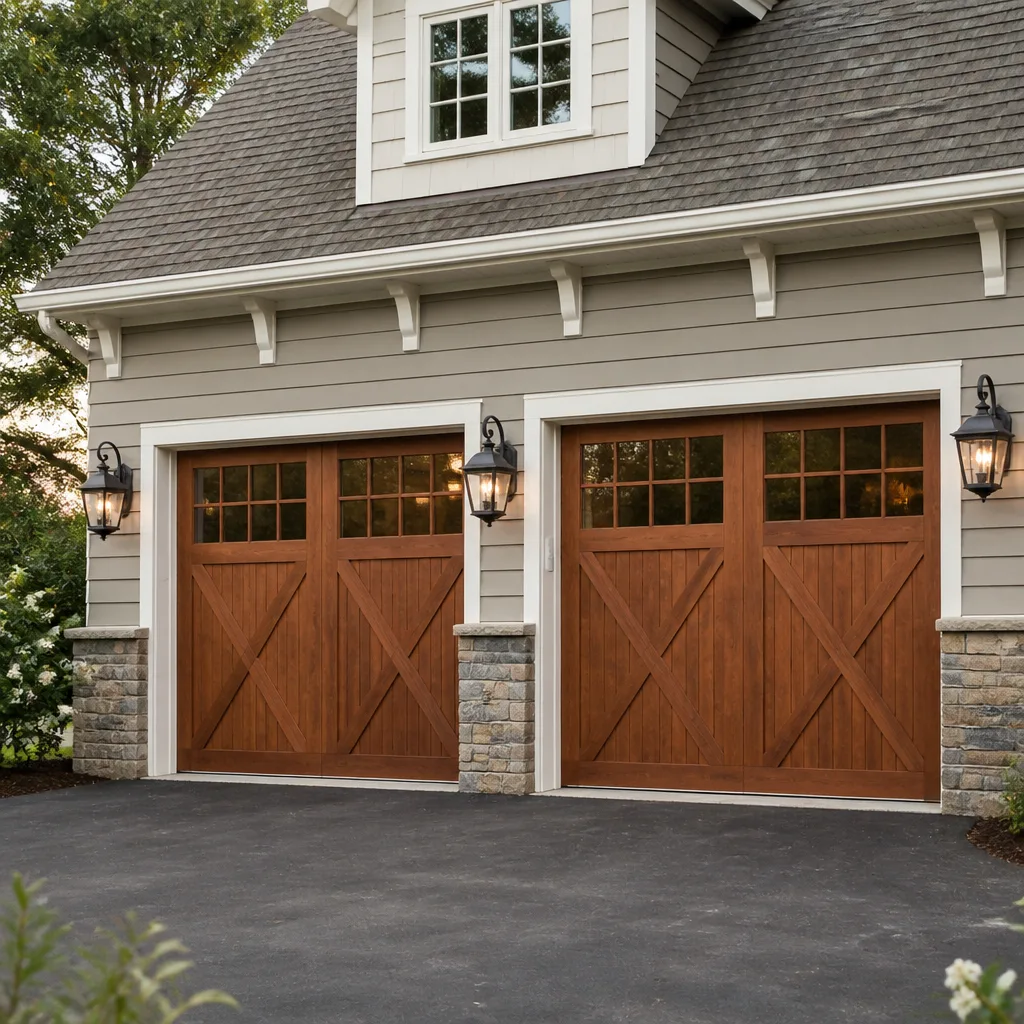 Carriage house
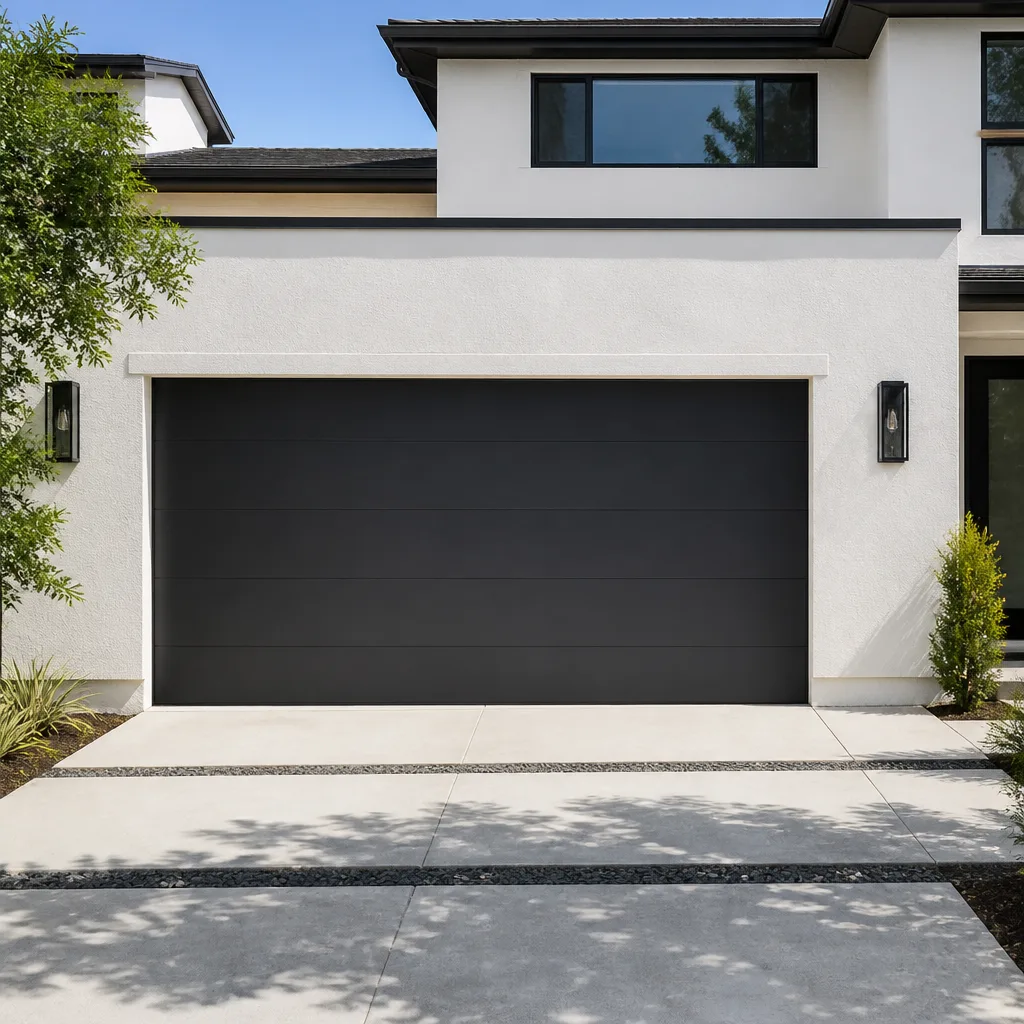 Modern flush
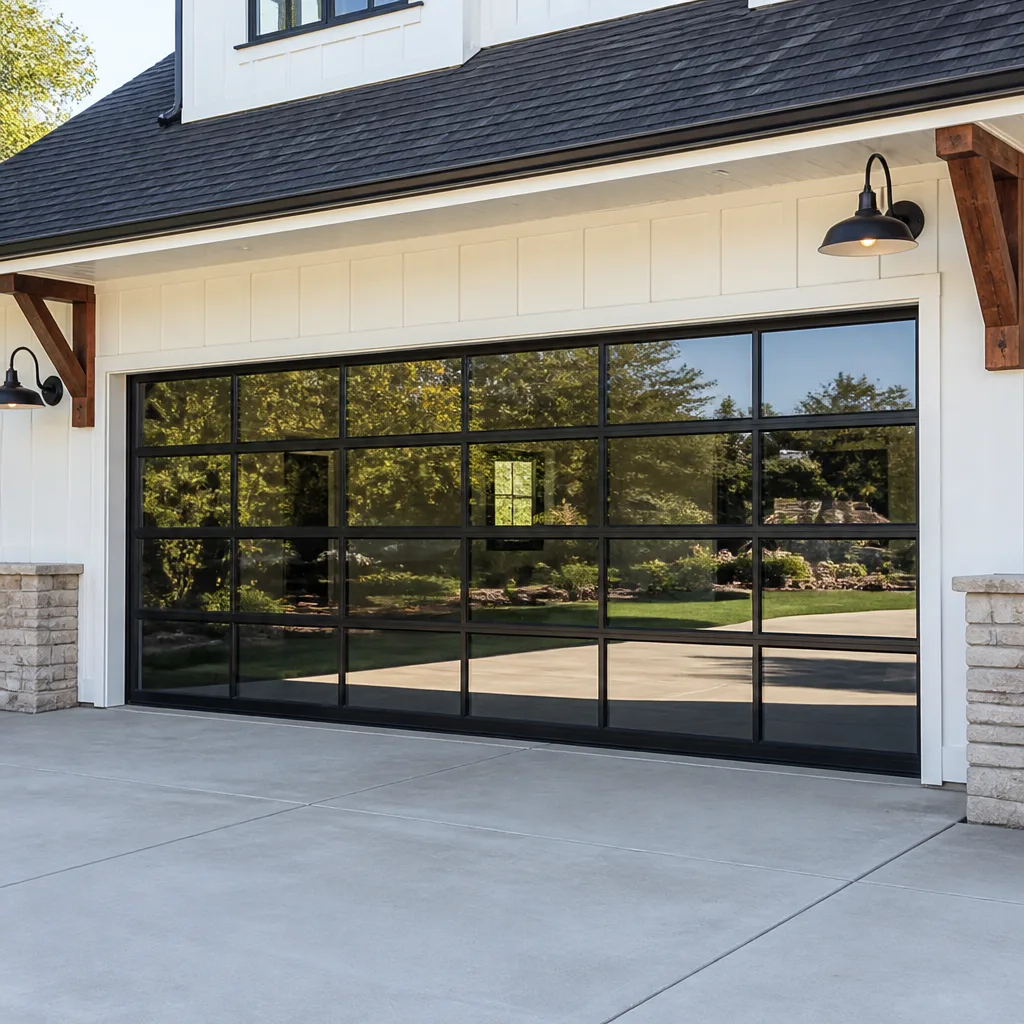 Full-view glass
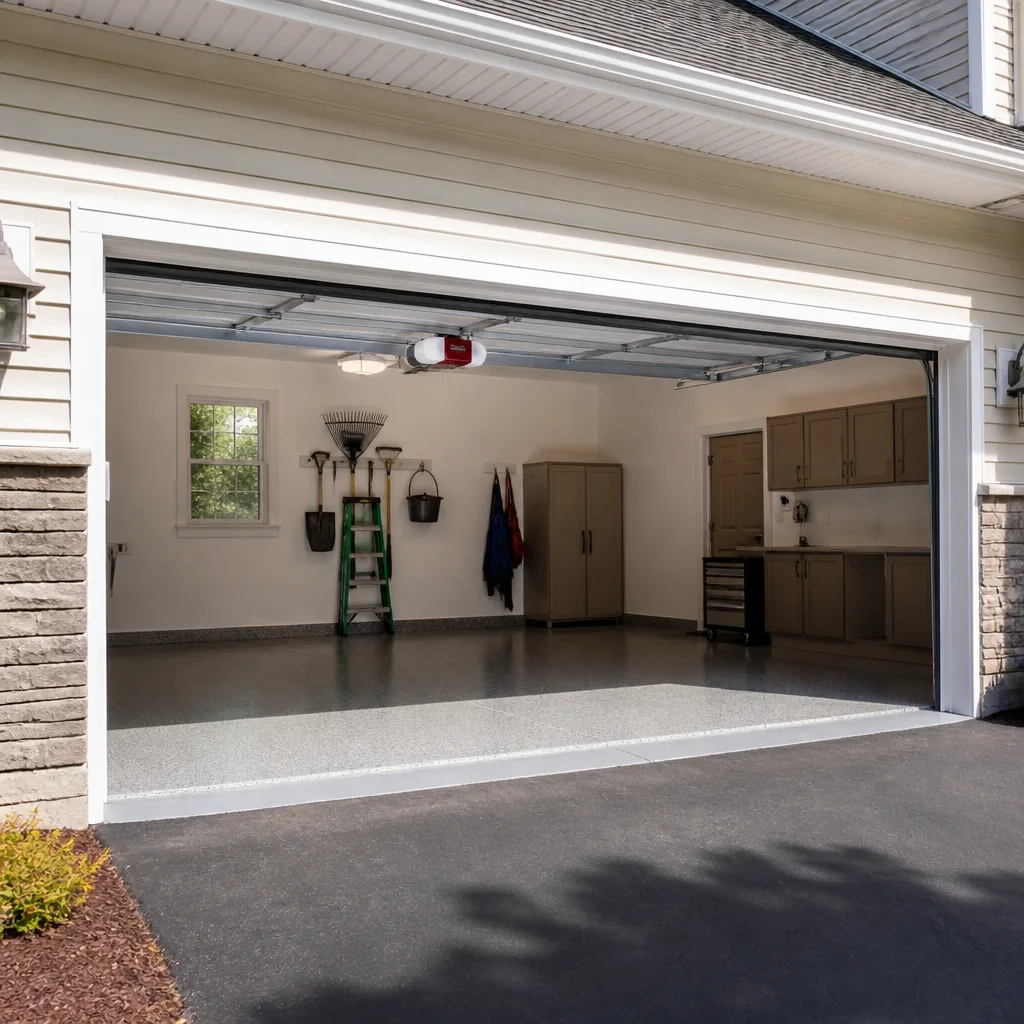 LiftMaster openers
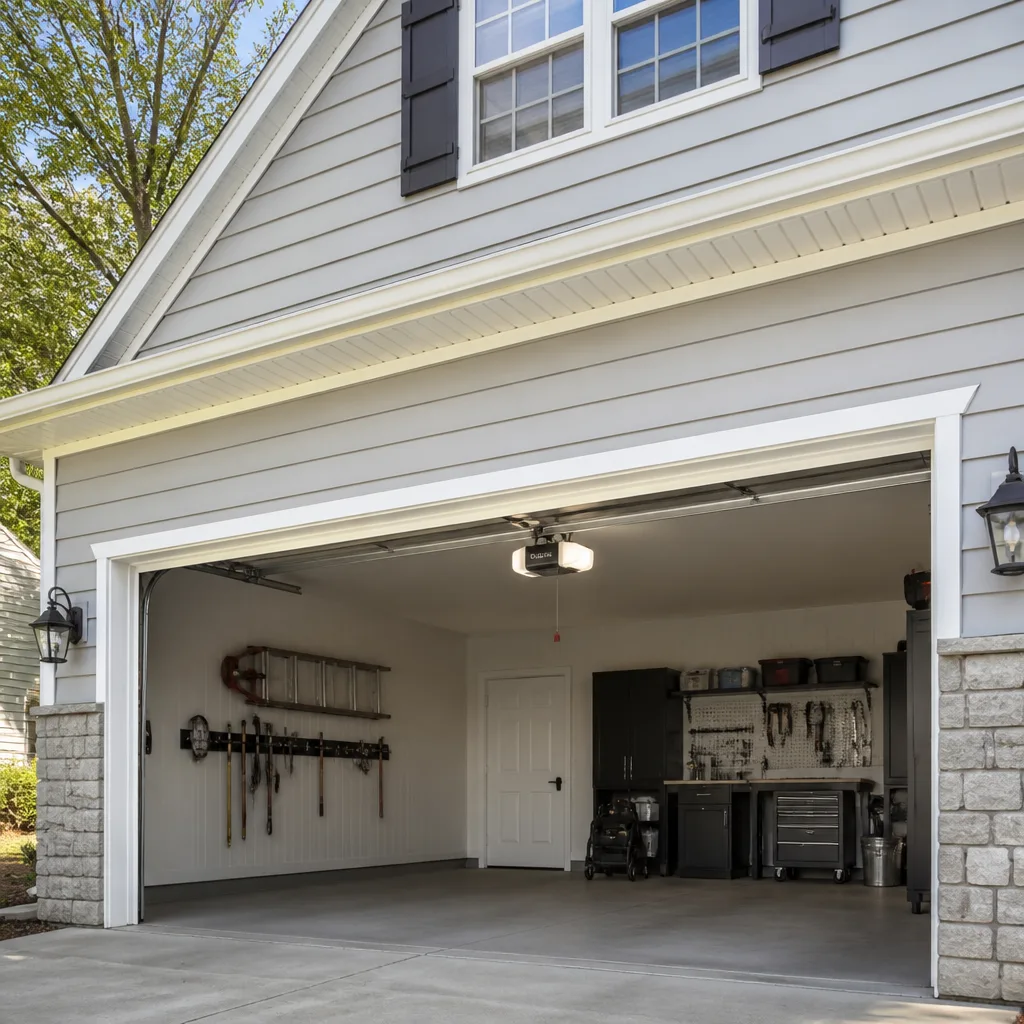 Chamberlain openers
Full 25-point door and opener safety check with every visit - springs, cables, rollers, tracks, and your LiftMaster or Chamberlain opener included
You get a price before we start. It does not change when the pro arrives.
Get your free estimateHow to Hire a Garage Door Contractor in Norwood: A Step-by-Step Guide
A contractor who only sells one brand has a financial reason to tell you your existing door is incompatible with their parts, whether that’s true or not. That conflict of interest is the real hiring risk in Norwood, not the obvious one. Most homeowners focus on whether a company is licensed, which matters, but the more expensive mistake is hiring someone whose business model depends on selling you a whole new door when your system is repairable. This guide shows you how to screen for that conflict before anyone pulls into your driveway. You’ll learn how to check a contractor’s Massachusetts registration, which questions reveal a sales-first operation, and how to compare quotes fairly when two contractors specify different parts.
Quick Answer
The best way to hire a garage door contractor in Norwood is to verify the company’s Massachusetts Home Improvement Contractor registration first, then ask directly whether they repair brands they don’t sell. A contractor who services the full system across multiple brands, gives you a written estimate with labor, parts, warranty, and disposal itemized, and isn’t rushing you toward a same-day decision is the one worth hiring. Price matters, but a fair quote from a repair-focused contractor beats a cheap quote from someone who’ll turn around and sell you a door you don’t need.
Styles & brands we work with
- Raised-panel steel
- Carriage house
- Modern flush
- Full-view glass
- LiftMaster openers
- Chamberlain openers
Table of Contents
- Why hiring the right garage door contractor matters in Norwood
- How to verify a contractor’s Massachusetts HIC registration
- Questions that expose a sales-first business model
- What a legitimate written estimate must include
- Red flags specific to garage door contractors
- How to compare quotes when the specs differ
- Repair or replace? How to tell the difference
- Common mistakes to avoid
Why Hiring the Right Garage Door Contractor in Norwood Matters
A garage door is the largest moving object attached to your house, and it’s also the one most homeowners rely on every single day. In Norwood, where a lot of the housing stock is older and garages are often a primary entry point, a door that won’t close securely is more than a nuisance. It leaves the house exposed and traps the car inside. Getting the hire right the first time keeps that door working and keeps you from paying twice.
The trouble is that garage door work covers a wide range of skills, and not everyone who advertises it does all of it. A general handyman can hang a door and swap a panel. An opener specialist can diagnose a motor fault. A dealer who sells a single brand can install that brand beautifully but may not know the finer points of the Clopay door already on your house. What you actually need, most of the time, is someone who works on the system you already own.
That’s the core of what we do at Norwood Garage Door Repair. We service products from LiftMaster, Chamberlain, Genie, Clopay, Amarr, Wayne Dalton, Craftsman, and Raynor, and our technicians have up to 15 years of experience working across those brands. We’re a specialist, not a generalist, and we’re set up to fix what’s there rather than talk you into a replacement. There’s a real difference between a garage door works or we’re not done, and a sales visit disguised as a repair call.
Here’s the honest version of the local market. Norwood sits close enough to Boston that contractors from all over the region work here, and the quality varies widely. Some are excellent. Some are volume operations that make their money on replacements. Knowing how to tell them apart is the whole point of this guide, so you can hire with confidence instead of hoping the first name that answers the phone is a good one.
How to Verify a Contractor’s Massachusetts HIC Registration
Massachusetts requires home improvement contractors to be registered through the state’s Home Improvement Contractor (HIC) program, which you can check in the state’s online database before you hire anyone. Ask for the contractor’s registration number, then look it up yourself. Registration covers the company, not just the person on the phone, so confirm both the name and the number match.
Spend five minutes on this step. It’s the cheapest insurance you’ll ever buy against a job gone wrong.
- Ask for the HIC registration number. Any legitimate contractor should give it to you without hesitation. If they dodge the question or say it’s “in the contract,” treat that as a serious warning sign.
- Look the number up in the state’s Home Improvement Contractor database. The state runs an online lookup, so search the company name and the number and confirm they match.
- Confirm the company name on the registration matches the estimate. It’s common for a contractor to decline a job under a different name than the one on the paperwork. If they don’t line up, ask why.
- Ask about liability insurance separately. HIC registration is one thing; general liability coverage for the work is another. Request a certificate of insurance and confirm it’s current.
We don’t print a registration number or insurance policy detail here because the point of this section is that you should verify those yourself for whoever you hire, including us. A company that invites the check is a company that expects to pass it. A company that bristles at being asked is telling you something.
One more note on the database: state websites change their layouts and navigation over time. If you can’t find the lookup immediately, call the state office that handles contractor registration and ask them to confirm a number. The point isn’t the website; it’s that the registration is real and current before anyone starts work on your home.
Questions That Expose a Sales-First Business Model
The most revealing question you can ask a garage door contractor is simple: “Do you repair brands you don’t sell?” A contractor who says yes is repair-focused. A contractor who hesitates, changes the subject, or steers the conversation back toward a replacement is telling you exactly where their money comes from.
Think about why this matters. If a company’s entire revenue model is selling new doors, then every service call becomes a sales opportunity. Your broken spring or worn roller isn’t a repair to them; it’s the opening for a pitch. That doesn’t mean every dealer is dishonest. It means the incentives are stacked against you, and you should know that going in.
Here are the questions worth asking on the phone, before anyone comes out:
- “Do you repair brands you don’t sell?” The most important question in this guide. A full-service contractor answers yes and can name brands they work on.
- “Can you give me a ballpark over the phone?” A contractor who refuses any ballpark before showing up is usually protecting a price they plan to negotiate on site. You should expect a range, not a firm quote, before the visit.
- “What brands do you work on?” A single-brand dealer will name one. A specialist will run through several, like LiftMaster, Chamberlain, Genie, and Clopay, plus older brands still common on Norwood homes.
- “Do you do both door and opener work?” If they only handle one half of the system, you’ll be coordinating two contractors, which is where delays and blame-shifting start.
- “Are you going to try to sell me a new door?” Ask it plainly. The reaction tells you a lot.
We field these questions every day and we like getting them, because the answers are the reason people call us in the first place. We work on the brand you already have. So when someone in Norwood calls about a Genie opener that won’t reverse or a Chamberlain that’s lost its programming, the conversation doesn’t start with “have you considered a new system.” It starts with diagnosing what’s actually wrong.
What a Legitimate Written Estimate Must Include
A legitimate garage door estimate is written, itemized, and signed, and it spells out labor, parts, warranty terms, and disposal before any work starts. A quote that just says “spring replacement, $X” leaves the door open for surprise charges, and surprise charges are the second-biggest complaint homeowners bring to us after being talked into a replacement they didn’t need.
Here’s what to look for line by line:
- Labor. The hours or flat rate for the work, shown separately from parts. You should be able to see what you’re paying for the labor versus the materials.
- Parts, with brand and specification. “Torsion spring” isn’t enough. A proper estimate names the type, the size and cycle life if relevant, and the brand of any opener or component. LiftMaster, Chamberlain, Genie, and Clopay parts all carry different costs.
- Disposal fees. Old springs, a worn door, a dead opener: getting rid of them costs money, and a fair estimate includes it rather than adding it at the invoice.
- Warranty terms. What’s covered, for how long, and whether it’s on the parts, the labor, or both. Get this in writing.
- Permits, if any. Most garage door repairs don’t require a permit, but new installations sometimes do. If a permit is needed, the estimate should say who’s pulling it. When in doubt, ask the city’s building department.
Just as important is what the estimate is not. It’s not a verbal quote. It’s not a range given in a driveway that then balloons on the invoice. The written estimate sets the final price, and the price is agreed before any work starts. If a contractor won’t put their terms in writing, that’s your cue to find someone else, because a company confident in its pricing has no reason to hide it.
When you’re ready for a written estimate on your own door, our garage door repair service starts with a real diagnosis and a documented price. That’s how it should work everywhere, but it doesn’t.
Red Flags Specific to Garage Door Contractors
Garage door contracting has its own set of warning signs, and they’re a little different from general contractor red flags because the work is so often driven by urgency. A snapped spring or a door that won’t close puts pressure on the homeowner to decide fast, and fast decisions favor whoever’s standing there.
Watch for these:
- Refusing to give a ballpark over the phone. Every legitimate contractor should be able to give you a rough range for common jobs like spring replacement before coming out. Refusing to give any range almost always means they want to size up your house and your urgency first.
- Pushing a same-day decision. A real repair doesn’t require you to sign on the spot. If someone tells you your door will collapse or your house is unsafe unless you buy today, slow down and get a second opinion. A genuine safety issue deserves immediate attention, but “buy today or else” is a sales tactic, not a diagnostic.
- No physical address or no way to verify they exist. Ask where they’re located. You should get a real address you can look up. A company that won’t tell you where they operate from is hard to hold accountable.
- Pressure to replace when repair is clearly possible. This is the sales-first tell. A worn roller or a noisy hinge is not a reason to replace a whole door.
- No written estimate. Covered above, but worth repeating. Verbal quote, verbal promises, nothing on paper.
- Very lowball pricing. A quote far below everyone else’s often means corners will be cut on parts or labor, or extra charges will appear later. Cheap isn’t a strategy when it comes to a door that could fail.
We see these plays from the other side, where a homeowner has already spent money on a bad hire and calls us to fix it. The pattern is consistent: a spring repair that turned into a full door sale, a “diagnostic” that was really a sales pitch, an invoice with charges that were never discussed. In Norwood, where a garage door is often the everyday front door, a door that fails after a bad job isn’t just an inconvenience, it’s a security problem.
How to Compare Quotes When the Specs Differ
Two garage door quotes can look similar and be nothing alike, because contractors often specify different spring types or opener grades. Comparing them apples to apples means looking past the bottom-line number and matching parts, labor, and warranty side by side.
Springs are the classic example. A torsion spring and an extension spring are different systems with different installation methods, costs, and cycle lives. A matched pair on a two-car door does more work than a single spring, and a high-cycle spring costs more than a standard one but lasts longer. When you compare quotes, ask what spring type and what cycle life each contractor is proposing. Two quotes for “spring replacement” with different spring specs aren’t really the same job.
Openers work the same way. Different grades of opener from the same brand (LiftMaster and Chamberlain both make several tiers) do different things. A basic chain-drive opener and a quiet belt-drive opener with battery backup are not interchangeable, even if both are “capacity matched” to your door. Ask which model and what it includes.
A simple framework for comparing:
- Match the scope. Are you comparing spring repair to spring repair, or spring repair to a full system replacement? Make sure both quotes cover the same work.
- Match the parts. Confirm brand, model, and specification for springs, openers, and any hardware. Write down what each contractor is proposing.
- Match the labor. Check whether labor is folded in or billed separately, and whether it’s an hourly or flat rate.
- Match the warranty. Compare what’s covered and for how long, parts versus labor.
- Match the disposal. Confirm whether removal of old parts is included.
Once those five lines match across quotes, the price comparison means something. Until then, the cheaper quote may just be a smaller job. This is exactly why we walk through the spec with you, and what our garage door spring repair visit comes down to: matching the right spring to your door, then quoting it in writing so the number and the part line up.
Repair or Replace? How to Tell the Difference
Most garage door problems are repairable, and replacement is usually the right call only when the door is structurally failing, badly rusted through, or past the point where repeated repairs stop making sense. The conflict-of-interest issue from earlier shows up right here, because the answer a contractor gives you often depends on what they sell.
A repair-focused contractor will generally look at these:
- Wire or hinge condition. Worn hinges, rollers, and cables are replaceable. Widespread rust-through is different.
- Panel and section condition. A dented or damaged panel can often be replaced on its own, especially on multi-section doors from brands like Clopay or Amarr.
- Opener condition. A failing opener is usually repairable, and sometimes it’s just a sensor alignment or programming issue rather than a dead motor.
- Spring and track condition. Springs wear out and get replaced. Tracks that are bent or misaligned can usually be straightened and secured. A track that’s pulled out of the wall is more serious.
What tends to make replacement make sense is age combined with repeated failure, structural damage to the door or the operator, or simply wanting a different style or better insulation. That’s a quality-of-life decision, not an emergency one. The key is that you should be the one deciding it, not a contractor steering you toward the sale.
If your situation involves a door that won’t move at all, or an opener that’s stopped responding, our garage door opener repair side handles that too, since we cover both halves of the system. Single-call resolution matters. You shouldn’t have to call one contractor for the door and another for the opener, then mediate when they blame each other.
Key Takeaways
- Verify Massachusetts HIC registration in the state’s online database before you hire anyone.
- “Do you repair brands you don’t sell?” is the most revealing question you can ask.
- A legitimate written estimate itemizes labor, parts with brand and spec, warranty, and disposal.
- Refusing a ballpark over the phone, pushing same-day decisions, and no physical address are the classic red flags.
- Compare quotes on matched parts and scope, not just the bottom line.
Common Mistakes to Avoid
- Hiring based on the first number you hear. Price seems like the obvious yardstick, but a low quote that turns into a big invoice after “unexpected” discoveries is common. Look at what’s included, not just what’s quoted.
- Skipping the state database check. It’s a thirty-second search, and it’s the highest-value thirty seconds in this whole process. Verify the registration number yourself rather than trusting the letterhead.
- Accepting a verbal quote. In Norwood, where older homes sometimes have quirks like a nonstandard door opening, verbal quotes are especially risky because the scope can quietly expand. Get it in writing.
- Hiring a single-brand dealer for an existing door. If your door is a brand the contractor doesn’t service, they may push a replacement rather than admit they can’t source the parts. Confirm brand coverage before the visit.
- Letting urgency override screening. A door that won’t close is a real problem and worth fixing fast, but not at the cost of skipping the registration check and the written estimate. A legitimate contractor can move quickly and still put it in writing.
- Assuming a new door is the fix. A lot of replacement sales happen because the homeowner didn’t know the actual problem was a worn spring or a misaligned sensor. Get a diagnosis before you agree to a replacement.
- Forgetting to compare warranty terms. A warranty that covers parts but not labor, or one that’s only good for a short period, can leave you paying again if the same problem returns.
See the difference
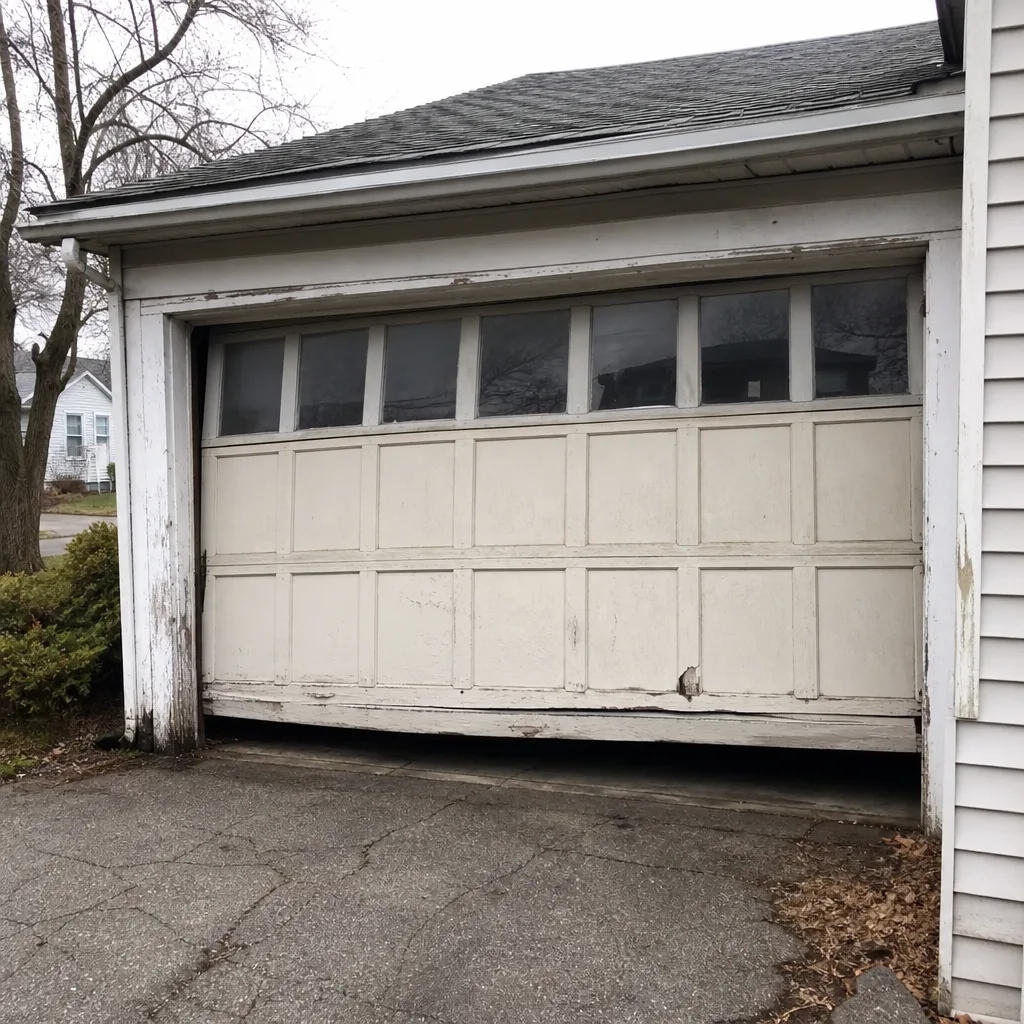 Before
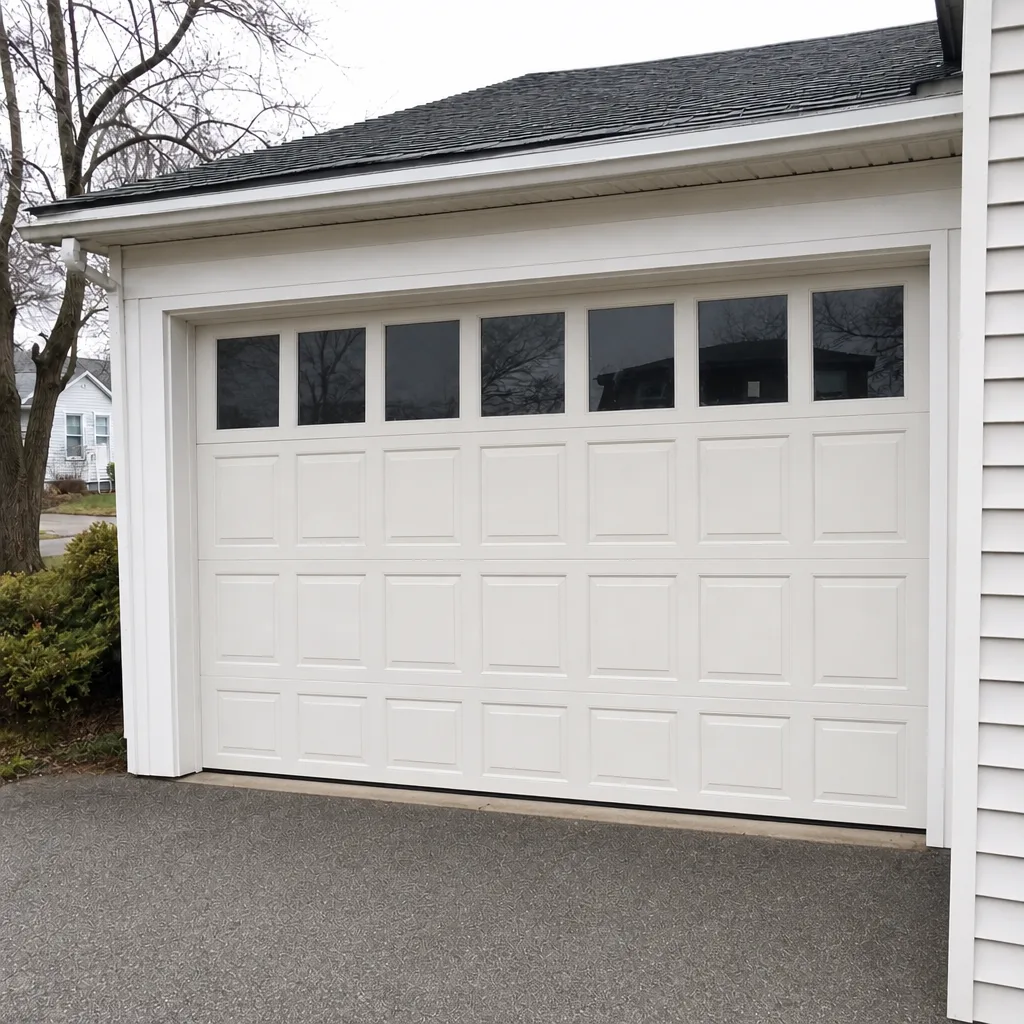 After
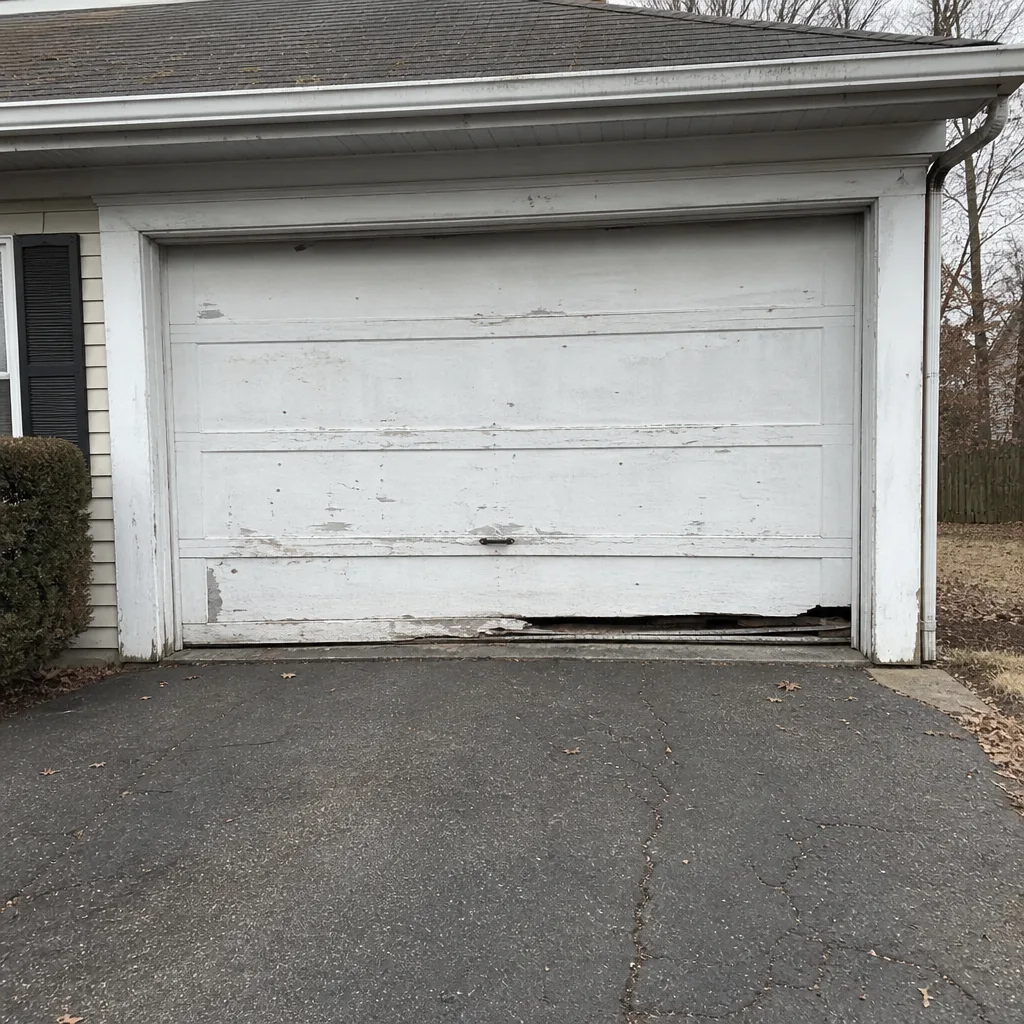 Before
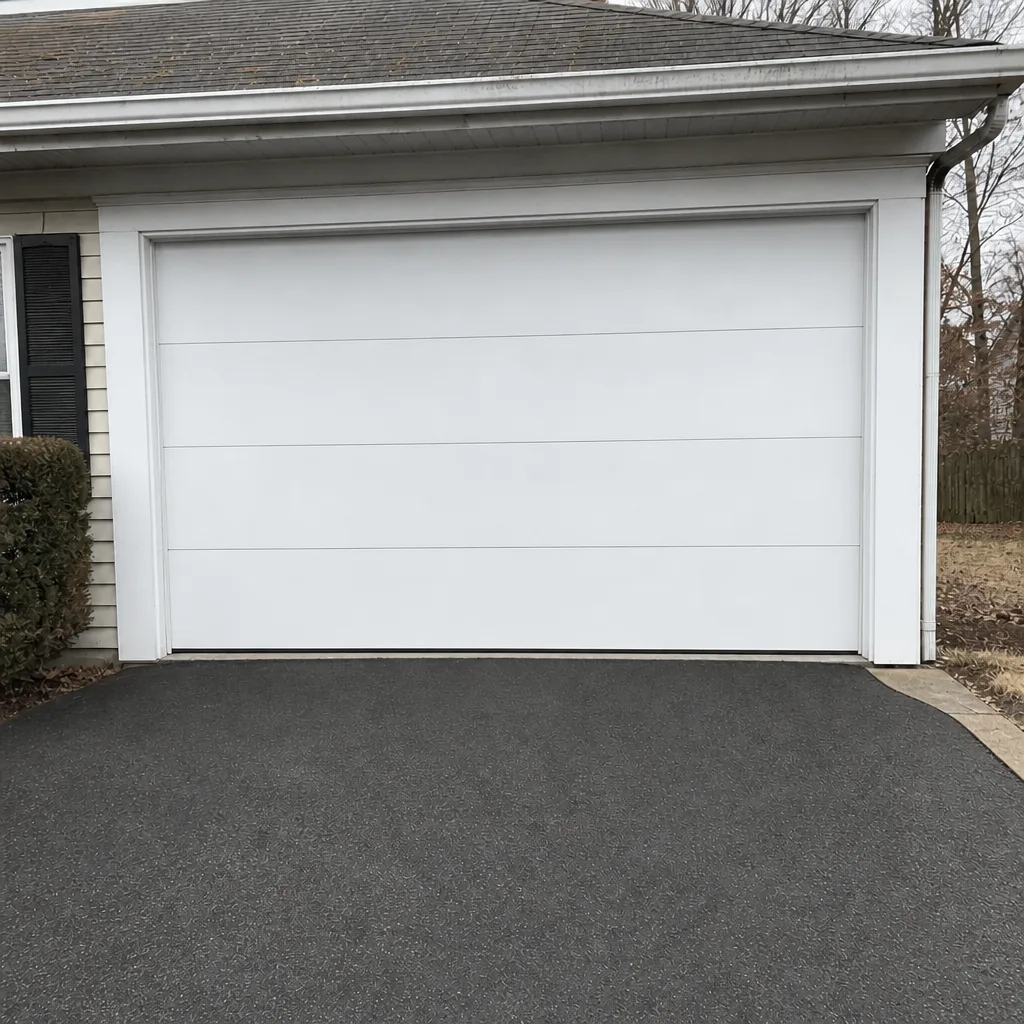 After
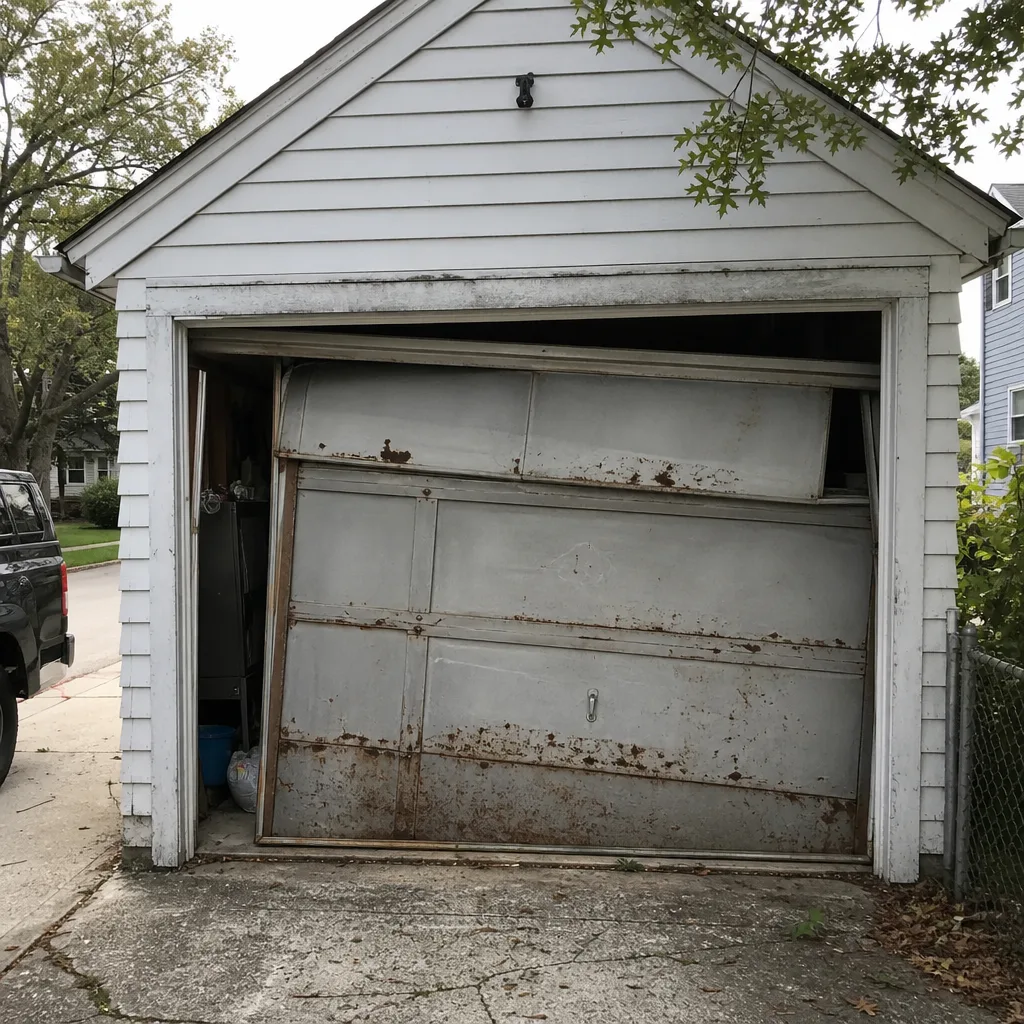 Before
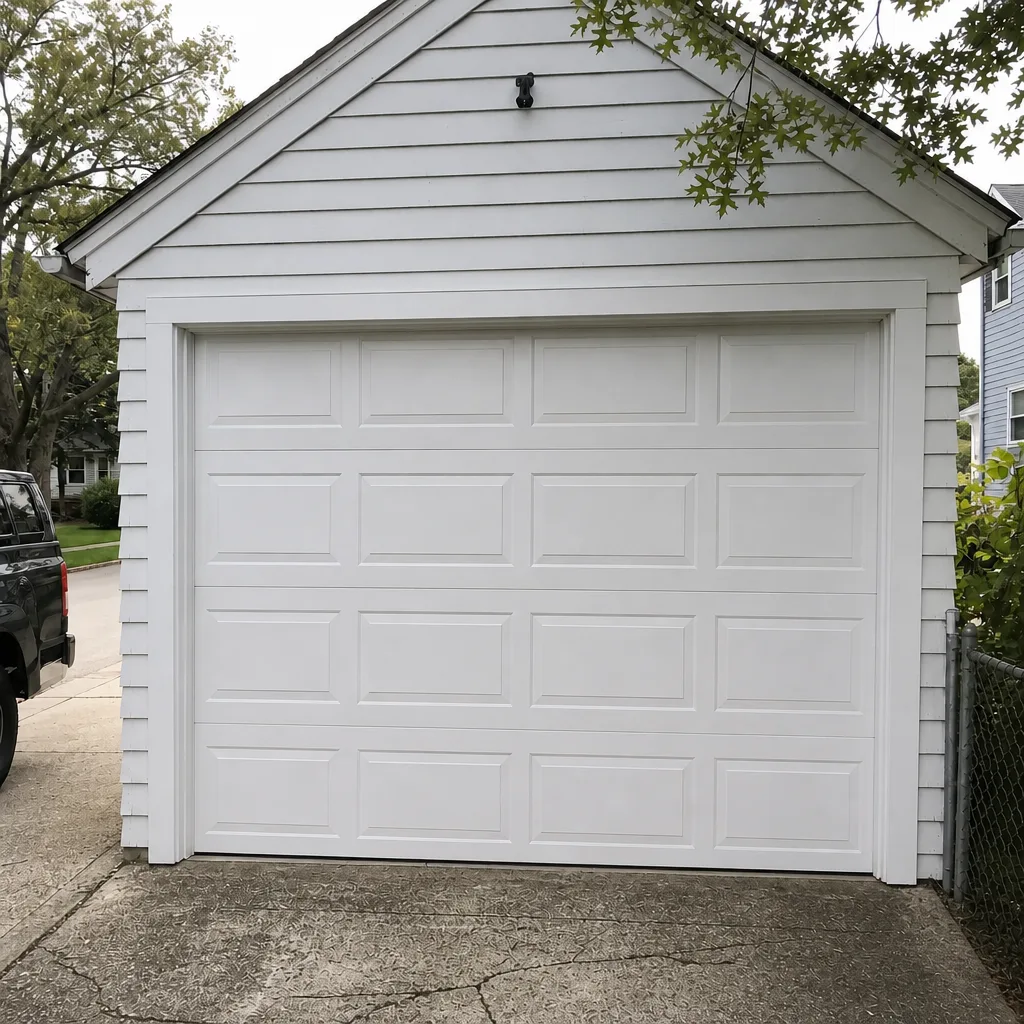 After
When to Call a Professional
Some garage door problems are safe to look at and some aren’t, and the difference matters. A high-tension torsion spring or extension spring that has snapped, a door that’s come off its track, or a cable that’s let go are all jobs for a trained technician. The tension in those springs is extreme, and there’s no safe way to work on them without the right tools and training. Don’t try to force a door back onto its track yourself, and never try to wind or unwind a torsion spring by hand.
Call a professional when the door won’t open or close, when you hear a loud bang from the spring area, when the door goes up crooked or won’t stay up, when the opener reverses or stops responding, or when the door has come off its track. Any of these can trap a car, leave the house exposed, or block a household’s daily routine. Norwood Garage Door Repair offers free estimates in Norwood. Call (866) 783-4096.
Frequently Asked Questions
Ask for their Massachusetts Home Improvement Contractor (HIC) registration number and look it up yourself in the state’s online database to confirm the company name matches. Registration covers the company, so confirm both. If they won’t provide the number, look elsewhere.
Spring repair pricing depends on the type of spring, how many are being replaced, and the door’s configuration, so the number really does vary from job to job. What matters more is that you get a written estimate that itemizes the parts and labor before any work starts. Call (866) 783-4096 for an exact quote, since estimates are free.
They can, and it happens. A single-brand dealer may decline to service a door or opener outside their line, or they may use that as a reason to pitch a replacement. That’s why we service LiftMaster, Chamberlain, Genie, Clopay, Amarr, Wayne Dalton, Craftsman, and Raynor: so homeowners in Norwood don’t have to replace a working door just to get it serviced.
Yes, get at least two, and ideally three, written quotes for anything beyond a minor repair. The goal isn’t just to find the lowest price; it’s to compare scope, parts, and warranty side by side. If the quotes look different, ask each contractor to clarify what’s included.
It should itemize labor, parts (with brand and specification), warranty terms, and disposal fees, and it should identify whether a permit is needed. The written estimate sets the final price, and that price should be agreed before any work starts.
Most issues, including worn springs, damaged panels, and opener faults, are repairable, and replacement is only worth considering when the door is structurally failing or repeated repairs stop making sense. Get a diagnosis before you agree to a replacement, and be wary of any contractor who leads with the sale. Call (866) 783-4096 for a free estimate.
The Bottom Line
Hiring a garage door contractor in Norwood comes down to screening for the right conflict. The contractor who passes the registration check and the “do you repair brands you don’t sell” question is the one who’ll fix the door you have rather than sell you one you don’t need. Get a written estimate that itemizes labor, parts, warranty, and disposal, compare quotes on matched scope, and don’t let urgency push you into a same-day decision. A repair-focused specialist who works on the brand you already have is the safe bet. Call (866) 783-4096 to get a free estimate. We answer 24/7. Fast dispatch from 7am to 7pm, Sunday through Friday.
Written by the team at Norwood Garage Door Repair.