
Last updated November 20, 2026
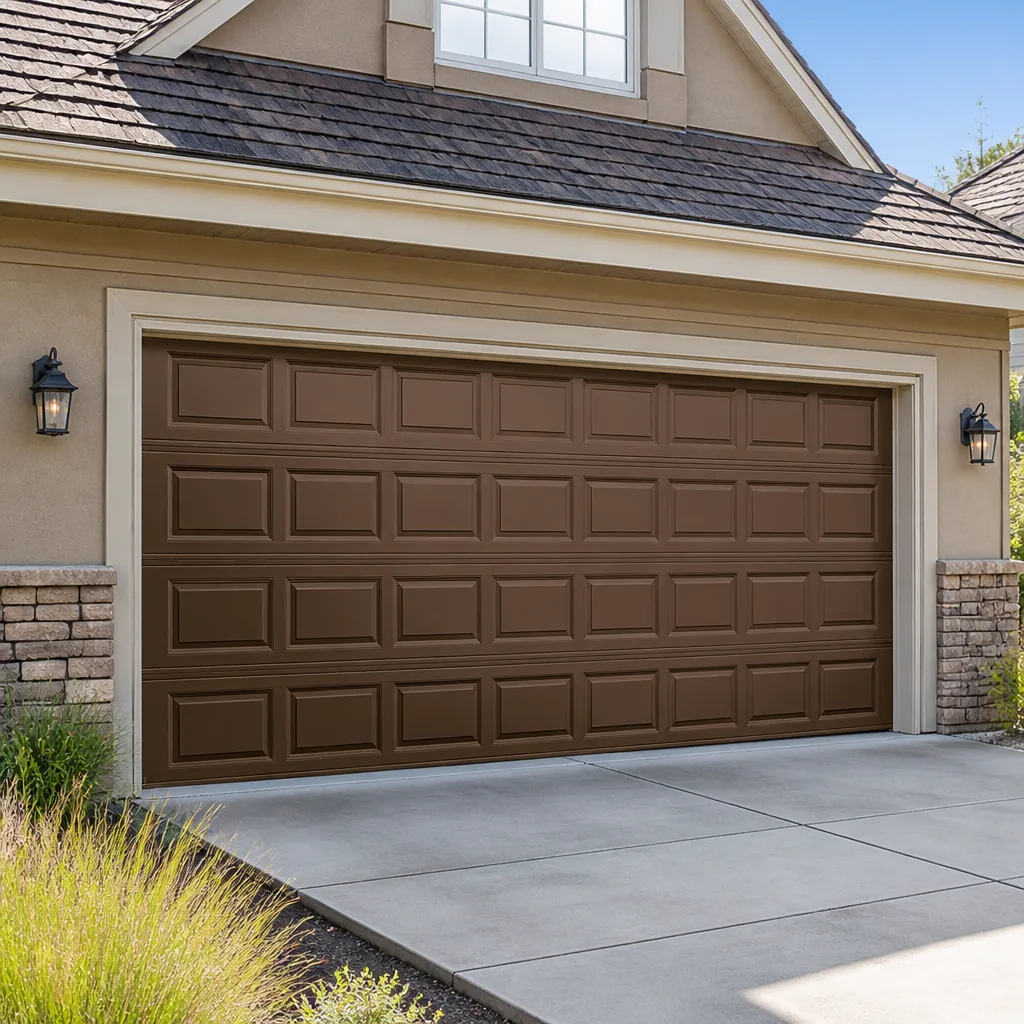 Raised-panel steel
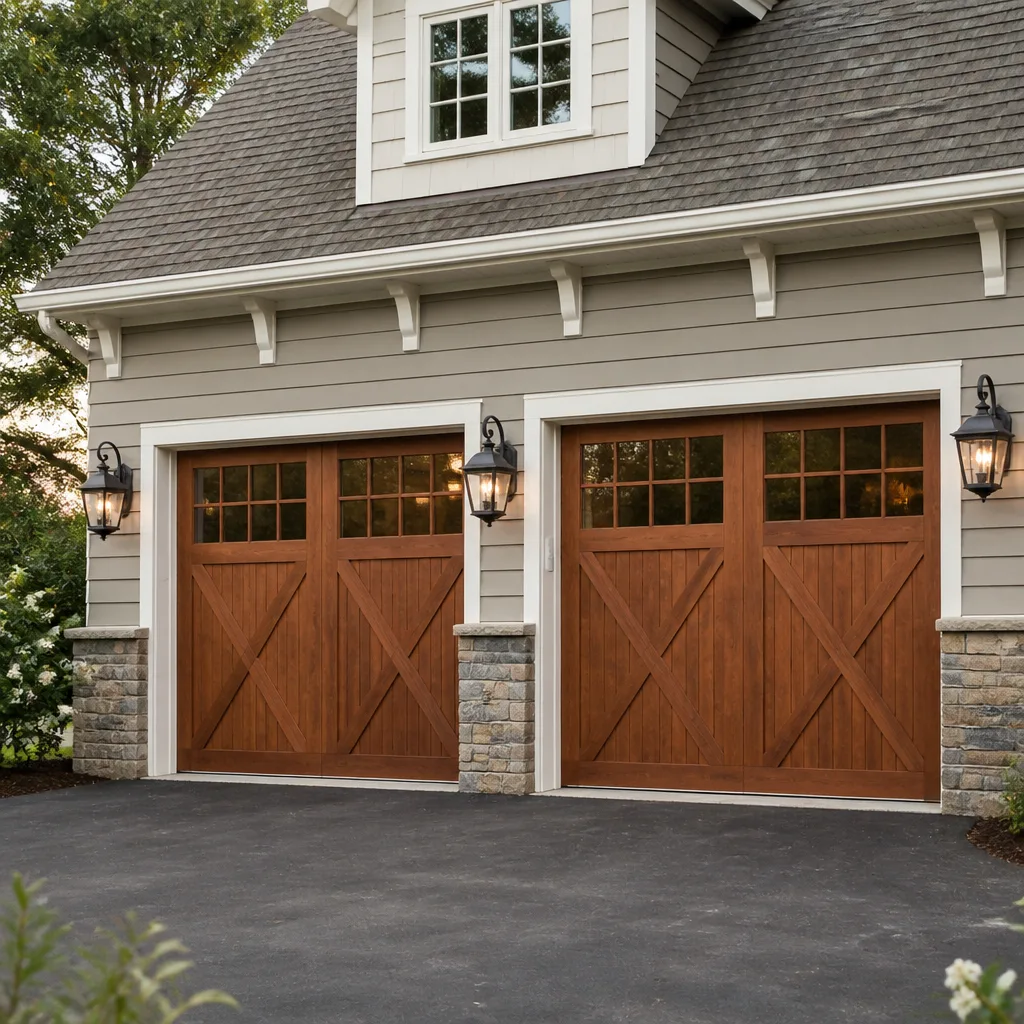 Carriage house
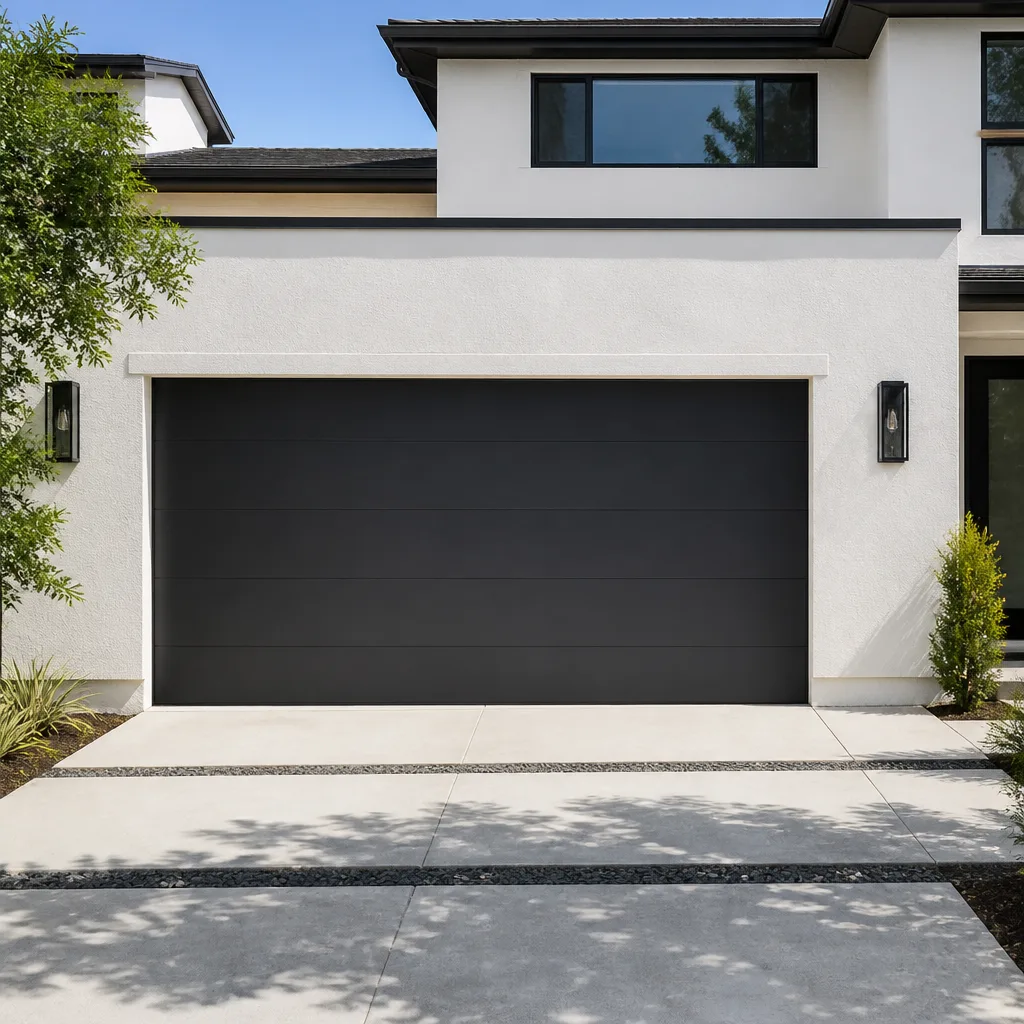 Modern flush
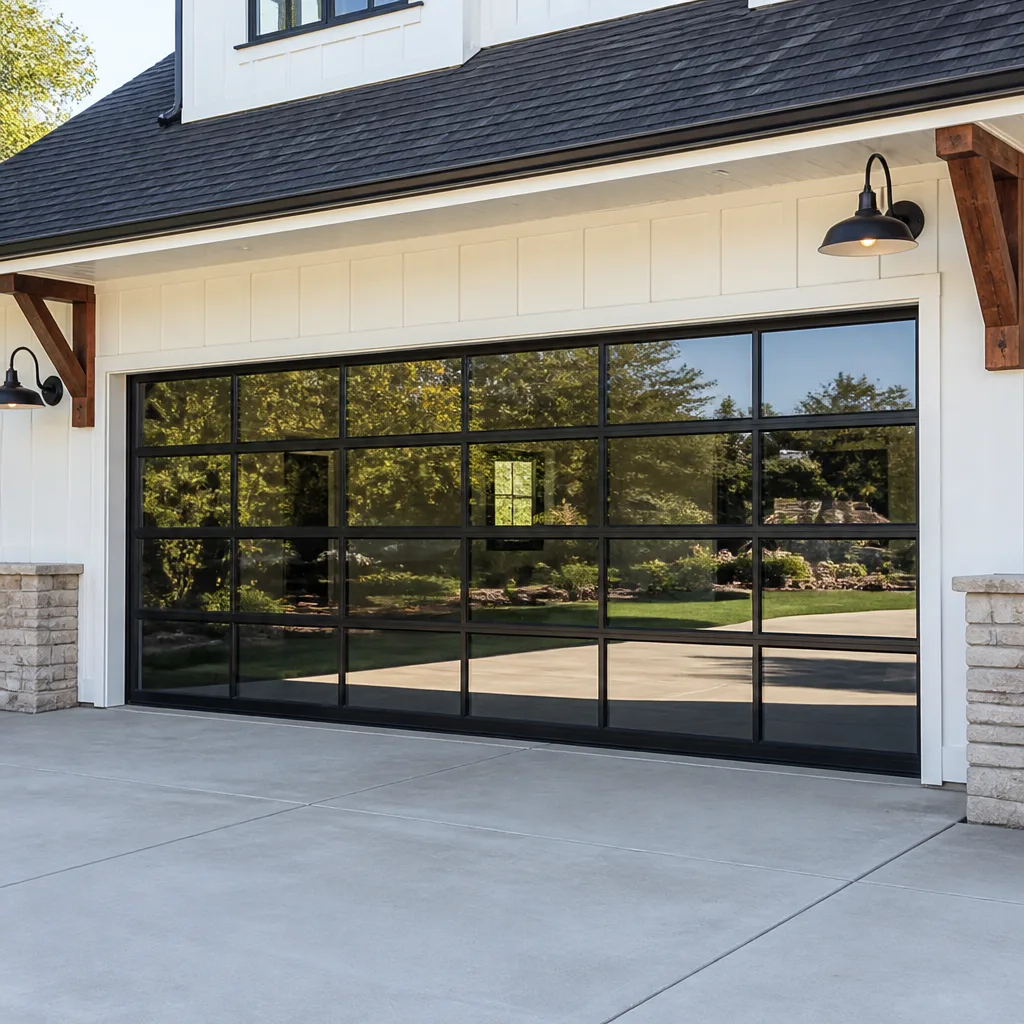 Full-view glass
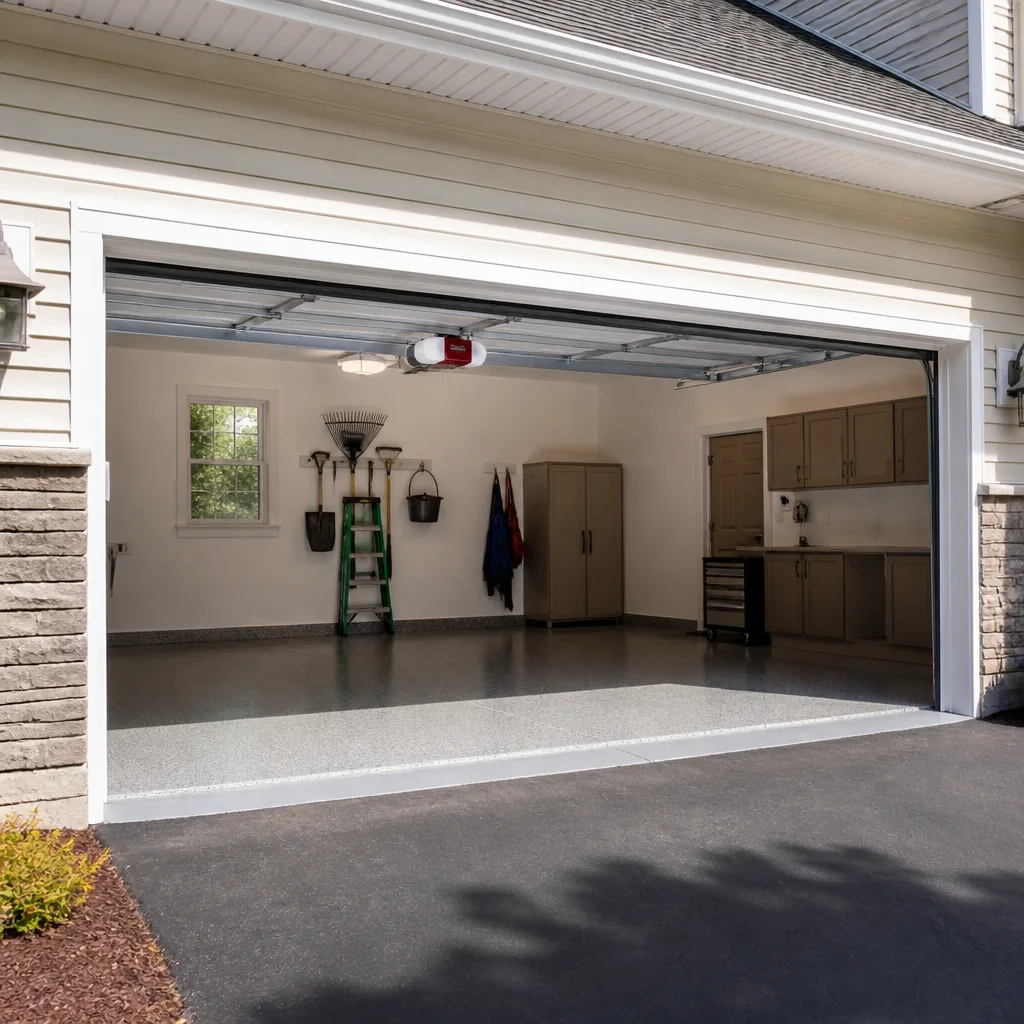 LiftMaster openers
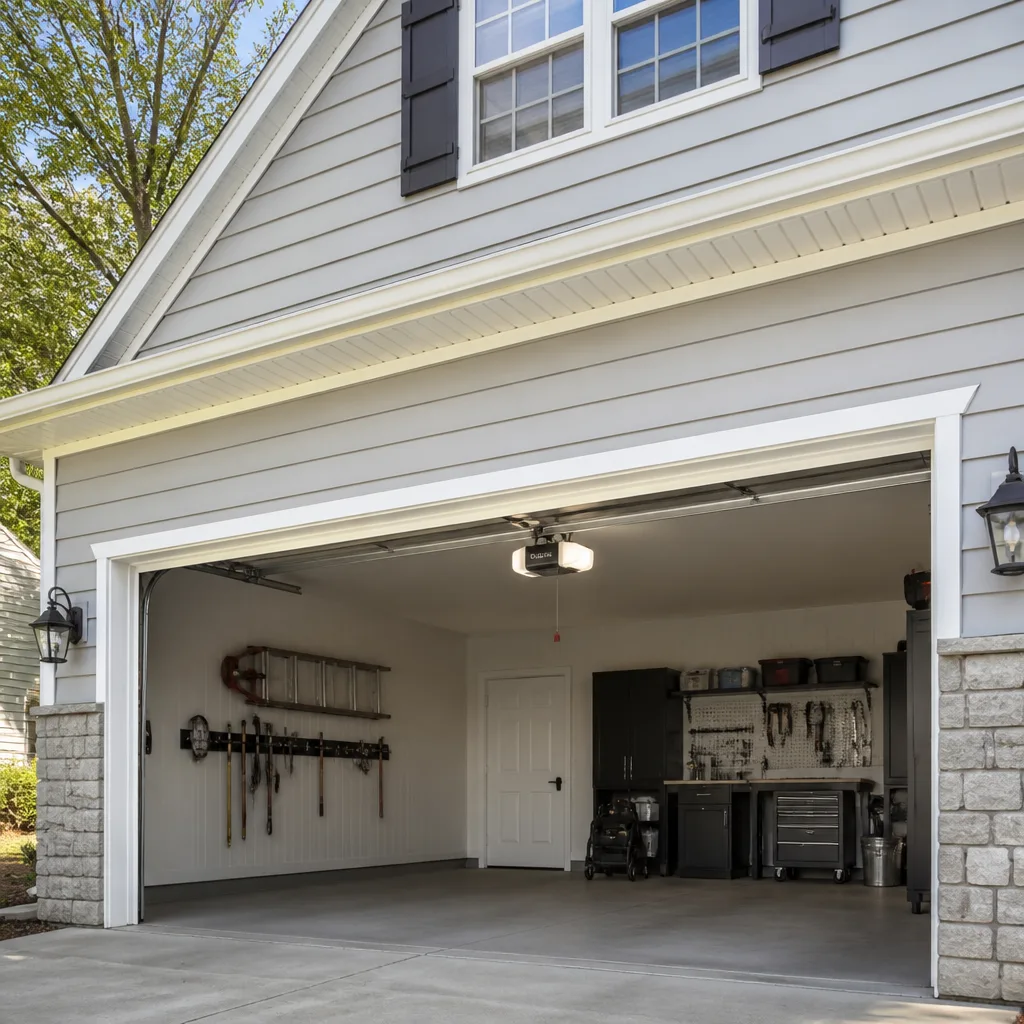 Chamberlain openers
Full 25-point door and opener safety check with every visit - springs, cables, rollers, tracks, and your LiftMaster or Chamberlain opener included
You get a price before we start. It does not change when the pro arrives.
Get your free estimateGarage Door Warning Signs: A Norwood Homeowner’s Reference Guide
A garage door that “just shudders a little” on the way up is not a quirk. Uneven movement under spring tension is one of the clearest indicators that a cable is about to part. That’s the counterintuitive part most homeowners miss: the dramatic signs (a loud bang, a door that won’t budge) come at the end, but the quiet ones (a slight hitch, a new rattle, a door that drifts down a few inches on its own) show up days or weeks before. The trouble is that Norwood homes sit through humid summers and hard freezes, and both push the same hardware in ways that make a cosmetic noise and a dangerous one look almost identical. This guide sorts garage door warning signs by urgency instead of alphabetically, so you know what to stop using today, what to schedule this week, and what to just watch.
Styles & brands we work with
- Raised-panel steel
- Carriage house
- Modern flush
- Full-view glass
- LiftMaster openers
- Chamberlain openers
Quick Answer
Garage door warning signs fall into three urgency tiers. Stop using the door immediately if you see a snapped spring, a frayed or hanging cable, a door that slams down, or a bent track with the door off its rollers. Schedule a technician within a week for grinding noises, uneven travel, a door that reverses for no reason, or an opener that strains. Monitor and maintain for cosmetic rust, minor weatherstripping wear, and slow opener response. When in doubt, don’t run the door: a trained technician can diagnose torsion spring and cable problems safely, which is not a job for a homeowner.
Table of Contents
- The Three-Tier Urgency System for Norwood Garages
- Tier 1: Signs to Stop Using the Door Immediately
- Tier 2: Signs to Schedule a Repair Within a Week
- Tier 3: Signs to Monitor and Maintain
- Slow Door vs. Uneven Door: Same Symptom, Different Diagnosis
- Sound-Based Diagnostics: What Grinding, Popping, and Scraping Mean
- Dangerous Visual Signs vs. Alarming But Cosmetic Ones
- How to Safely Test Your Auto-Reverse Safety Mechanism
- Common Mistakes to Avoid
- When to Call a Professional
- Frequently Asked Questions
- The Bottom Line
The Three-Tier Urgency System for Norwood Garages
Most garage door advice hands you a flat list of symptoms and leaves you to guess which ones matter. That’s the wrong frame. A garage door is a balanced mechanical system: springs lift the weight, cables hold the tension, tracks guide the panels, and the opener supplies a small nudge on top. When one part starts to fail, it usually signals through the part it’s stressing next. Sorting symptoms by how close they sit to a catastrophic failure tells you far more than sorting them by part name.
Norwood’s climate makes this sorting worth doing carefully. The freeze-thaw cycles of a New England winter work on the metal, and the summer humidity works on the moving parts. A door that ran clean all fall can develop a hitch by February. That’s the pattern our technicians have seen across town, and it’s why we built this reference around three tiers:
- Stop using the door now. The system is holding stored energy it can no longer control. Running the door risks a violent release or a dropped panel.
- Schedule within a week. The door still works, but a component is clearly wearing. Waiting turns a small repair into a bigger one.
- Monitor and maintain. Cosmetic or early-stage wear. Worth watching and worth a maintenance check, not an emergency.
The key insight: a sign in Tier 1 is dangerous because it’s already past the point of control. A sign in Tier 2 is dangerous because it’s heading there. A sign in Tier 3 is mostly about preserving the life of the door. When you’re not sure which tier a symptom belongs to, treat it as Tier 2 and get a professional opinion. Our garage door repair service exists precisely for that in-between category, where the door still moves but shouldn’t keep moving unchecked.
Tier 1: Signs to Stop Using the Door Immediately
Stop operating the door and call for service if you see any of the following. These are the signs of stored energy that has lost its containment. A garage door’s torsion or extension springs hold the full weight of the door under extreme tension, and a cable can whip with real force when it lets go. The safe move is to leave the door where it is, keep people and cars clear, and call.
- A snapped spring. Torsion springs break with a loud bang; extension springs can fly if a containment cable fails. If the door suddenly feels impossibly heavy or won’t lift, a spring has likely gone. Never try to lift a door with a broken spring.
- A frayed, kinked, or hanging cable. Cables carry the spring tension to the door. A single broken strand, a visible kink, or a cable draped off its drum means the door is one operation from dropping.
- The door comes down fast or slams. That’s a spring or cable failure in progress. A door that used to descend smoothly and now drops is a door that can crush.
- Off-track or bent track from an impact. If the door is visibly off its rollers or a track is bent, running it will bend the panels and can drop a section.
- A door hanging unevenly with visible cable slack. One side is still under tension, the other isn’t. That imbalance is exactly the wrong moment to press the button.
Torsion spring repair is the one part of garage door work that should never be a homeowner project. The springs are under tension you can’t see and can’t judge by eye, and they release without warning. This is why we treat garage door spring repair as a call-a-professional job rather than a how-to. Our technicians have up to 15 years of experience and the specialized tools to bring that tension down safely. If you’re looking at any sign on this list, call (866) 783-4096. We answer 24/7. Fast dispatch from 7am to 7pm, Sunday through Friday.
Tier 2: Signs to Schedule a Repair Within a Week
These signs mean the door still functions, but a component is wearing faster than it should. Waiting here is how Tier 2 symptoms migrate into Tier 1. Give yourself a week to get a technician out, and don’t push the door harder than necessary in the meantime.
- Grinding or heavy rattling during travel. Usually a roller, hinge, or bearing that’s lost lubrication or worn out. Cheap parts, but they wear the track and work the opener.
- Popping when the door first moves. Often the torsion springs winding up, or a cable slipping on its drum. Both deserve a look.
- The door reverses for no reason. Could be an obstruction in the safety eye path, a misaligned sensor, or a limit setting that drifted. Also a sign the auto-reverse is doing its job, which is good, but you still want to know why.
- The door opens a little then stops, or the opener strains. That’s an opener or a spring carrying weight it shouldn’t have to. This is where the door problem and the garage door opener repair diagnosis overlap.
- One side of the door looks higher than the other. A sign a cable or spring has stretched or a drum is out of adjustment. Left alone, it flexes the panels and the track.
- Visible roller wear or a wobbly door. Rollers that are cracking or flat-spotted won’t hold the door in line.
In Norwood, the week after a cold snap is when a lot of these show up, because the metal contracts and the grease firms up. We also see a run of these calls when a door hasn’t been adjusted in a while and the freezing and thawing of the ground shifts the slab your tracks are anchored to. None of it is an emergency. All of it is a reason to book a technician before a small symptom becomes a broken spring.
Tier 3: Signs to Monitor and Maintain
These are the signs that look worse than they are. Keeping them on your radar is still worthwhile, but they don’t call for urgency. The goal here is preserving the life of the door and catching anything that’s quietly trending toward Tier 2.
- Surface rust on the springs. Torsion and extension springs often show an orange cast that’s cosmetic and doesn’t affect function. What matters is structural corrosion: flaking, pitting, or thinning metal. Surface rust you can wipe off is not a warning sign; a spring that looks visibly thinner than a new one is.
- Weatherstripping that’s flattened or cracked. Replace it sooner rather than later, because a poor seal lets cold air and moisture into the garage in a Norwood winter. Not a safety issue.
- Faded paint or scuffed panels. Cosmetic. Panels are structural only when they’re bent or dented at a hinge or roller.
- A slow opener response. Often a battery in the remote or a receiver issue. If the wall button still works and the remote is inconsistent, start there.
- A slightly noisy door on cold mornings. Some noise is normal when grease thickens in the cold. Persistent grinding is Tier 2, so pay attention to whether it clears as the door runs.
For Norwood homeowners who’ve been meaning to get ahead of maintenance, a yearly check on a door that isn’t giving trouble is a reasonable move. It’s also when springs, rollers, and the auto-reverse get looked at together, and it’s the cheapest way to avoid the bigger tickets. Our technicians have up to 15 years of experience, and a routine check is a good time to ask them about your specific brand. We service the full system across Norwood, and we work on the brand you already have, whether that’s a Genie opener on an older door or a Clopay panel that needs a tune-up.
Slow Door vs. Uneven Door: Same Symptom, Different Diagnosis
A slow door and an uneven door can present almost identically when you press the button, but they come from two different systems, and treating them as the same thing is one of the most common reasons a repair gets missed. A door that moves slowly but travels in a straight line is usually an opener issue. A door that moves at normal speed but hitches, jumps, or drifts to one side is almost always a spring or cable issue. Look at the travel path, not the clock.
Here’s the breakdown we walk customers through:
- Time the door. A door that takes noticeably longer than usual but runs smoothly is an opener problem. Look at the opener’s force settings, the drive belt or chain, and the gear assembly.
- Watch the edges of the door. If the left and right sides reach the track at the same rate, the door is balanced. If one side lags, you have an imbalance, which is a spring or cable diagnosis.
- Listen at the start. A smooth hum then even travel is an opener with a mechanical slowdown. A bang, thump, or clunk at the start points to a spring that isn’t lifting its full share.
- Try the manual release. Pull the red release handle (with the door closed and clear) and lift the door by hand. A door that’s hard to lift or won’t hold itself up is a spring problem. A door that lifts easily by hand but runs slow on the opener is an opener problem.
- Check the track. A door that binds in one spot on the way up is following a track issue, not a motor issue.
This distinction matters most in a Norwood winter, when the opener feels sluggish and the door feels stiff and it’s hard to tell which is which. An opener that’s working too hard to push a door with a weak spring will fail before the spring does. If you’re not sure which diagnosis applies, a technician can sort it in a few minutes. Our Norwood Garage Door Repair service covers both the door and the opener in one visit, so you don’t have to guess which specialist to call.
Sound-Based Diagnostics: What Grinding, Popping, and Scraping Mean
Your ears can tell you a lot about which component is failing, and the sound is usually a better clue than the symptom’s location. The next time your door makes a noise it didn’t used to make, match it to the sound:
- Grinding. Metal on metal, usually a worn or dry roller, a hinge that’s lost lubrication, or a bearing going. Grinding tends to be continuous through the travel and gets louder as the door moves. It’s a Tier 2 sign and one of the cheaper repairs if caught early.
- Popping. A sharp pop at the start of travel, or a pop partway up, often points to a torsion spring winding or a cable slipping on the drum. A pop that repeats at the same place every time is the one to get looked at first.
- Scraping. A scraping sound along the track suggests a roller has worked loose from its bracket or a panel edge is rubbing. If it worsens and the door starts to bind, it’s become a track issue.
- Rattling. Loose bolts and hinges. Common and usually harmless, but a door that rattles more than it used to is working harder than it was designed to.
- Squealing. Usually a roller with a spun bearing. Annoying and easy to fix.
- A sudden loud bang followed by silence and a heavy door. That’s a broken spring. Treat it as Tier 1 and don’t run the door.
In our experience, the sound tells you the component, and the timing tells you the urgency. A constant grind at every position is a worn part; a single pop at a single spot is a tension problem. If you can’t place the sound, describe it when you call. It helps a technician arrive prepared with the right parts. And if your door is paired with an opener that’s making its own noise, we handle the garage door opener repair alongside it so the diagnosis is complete.
Dangerous Visual Signs vs. Alarming But Cosmetic Ones
Not everything that looks bad is bad. Some of the most alarming-looking things on a garage door are surface-level, and some of the most dangerous signs are nearly invisible. Knowing the difference keeps you from panicking over rust and missing a frayed cable.
Dangerous signs:
- A cable with a broken strand, a kink, or visible slack.
- Springs with a visible gap, a separated coil, or one that’s clearly sagging.
- A door that’s off its rollers or a track that’s bent out of line.
- A door that won’t hold itself open when lifted by hand.
- Panels that are visibly cracked at a hinge or roller bracket.
Alarming but cosmetic:
- Surface rust on the springs (as distinct from pitting, flaking, or thinning metal).
- Faded paint or a scuffed lower panel.
- A single dented panel with intact hinges and rollers.
- Chipped weatherstripping.
- A squeaky hinge or a loose bolt.
The main thing to know about visual inspection is where to look. Don’t just look at the door faces. Look above the door at the springs and the shaft, at both sides where the cables run down to the bottom corners, and at the rollers where they sit in the track. That’s where the dangerous signs live. For Norwood panels showing rust and pitting from road salt and winter moisture tracked in on the car, that’s a good conversation to have with a technician on a routine visit. If you’re unsure whether a mark is cosmetic or structural, a phone photo of the spring and cable area is often enough for a technician to advise you before you ever run the door. And if you’re evaluating whether to repair or replace, a proper look at the whole system tells you which makes sense.
How to Safely Test Your Auto-Reverse Safety Mechanism
The one test every homeowner should run on a garage door is the auto-reverse check, and it’s simple enough to do without tools. The mechanism is designed to reverse the door if it meets an obstruction, and it’s the feature that protects children, pets, and cars. It’s also the safety system most likely to drift out of adjustment without any warning. Test it once a month, and always after any adjustment or repair.
- Start with the door open and the area clear. Make sure no one is in the path and nothing is on the floor under the door.
- Have a helper watch for the obstruction test. Place a solid object, like a box or a piece of wood, flat on the floor in the door’s path.
- Press the close button. Watch the door as it meets the object. It should reverse within a short distance of contact.
- Test the photo-eye if you have one. With the door closing, pass an object through the safety beam at the base of the door. The door should reverse immediately.
- Note what you saw. If the door presses on the object before reversing, or doesn’t reverse at all, stop using the door and have it adjusted.
The auto-reverse is a safety device, not a convenience feature. If it fails, the door’s weight is no longer being stopped by anything, and that’s a Tier 2 sign at minimum. Don’t try to adjust the force settings to make the door push harder; that’s the opposite of what you want. An opener that’s been turned up to compensate for a struggling door is one of the most common patterns we see, and it masks a spring or door problem behind a stronger motor. If the auto-reverse fails, call and get it looked at. We answer 24/7. A call outside dispatch hours is booked into the next opening, Sunday through Friday, 7am to 7pm.
Common Mistakes to Avoid
- Pressing the button again to “see if it fixes itself.” A door making a new noise or hitting a hard stop is telling you something. Running it repeatedly is how a small spring problem becomes a bent door. Let it sit and get it looked at.
- Turning up the opener force to get past a stiff door. That compensates for a problem instead of fixing it, and it can force a door through an obstruction it should have stopped for. Address the door, then the opener.
- Trying to replace a torsion spring yourself. These springs hold the full weight of the door under tension, and the release is violent and unpredictable. This is the one job where the safest choice is always a trained technician.
- Assuming surface rust on the springs means they need replacing. Cosmetic rust is common in a Norwood winter. Pitting, flaking, and thinning are the real signals, and they’re hard to judge from the ground. That’s what a professional inspection is for.
- Ignoring a slow door because it still opens. Slow and uneven are different diagnoses, and a slow opener carrying a weak spring will eventually fail. Get the cause identified before it does.
- Letting one side of the door ride high. An uneven door flexes its panels on every cycle. Left long enough, that warps the door and may cost more than the original fix.
- Never testing the auto-reverse. It’s a safety system, and it can drift. A monthly test is a two-minute habit that matters. If it won’t reverse, stop using the door until it’s adjusted.
When to Call a Professional
Call a professional if you see anything in the Tier 1 list, if the auto-reverse test fails, if the door reverses for no reason, if you hear a repeating pop or a constant grind, or if the door is visibly out of square. Call sooner rather than later if you’ve got a broken spring, a frayed cable, or a door that’s off its track. And call if you simply aren’t sure what you’re looking at. The signals in this guide are meant to help you sort real problems from cosmetic ones, not to replace a trained eye on the parts that hold the door up.
Norwood Garage Door Repair offers free estimates in Norwood. We service eight of the most widely owned door and opener brands on the market, including Genie, Clopay, Amarr, and Wayne Dalton, so you rarely hear that your brand isn’t serviced. Call (866) 783-4096. We answer 24/7. Fast dispatch from 7am to 7pm, Sunday through Friday.
Frequently Asked Questions
A snapped spring or a frayed, hanging cable is the most serious warning sign, and either one means you should stop using the door immediately. Both involve stored mechanical energy that has lost its containment, and operating the door can cause a sudden release or a dropped panel. Do not try to lift a door with a broken spring by hand. Call (866) 783-4096 for service. Estimates are free.
No, surface rust on the springs is usually cosmetic and isn’t a warning sign by itself. What matters is structural corrosion: pitting, flaking, or visible thinning of the metal. A light orange cast is normal in a New England climate, but a spring that looks thinner than it should deserves a professional look. Call (866) 783-4096 for an exact quote. Estimates are free.
A pop when the door first moves usually means a torsion spring winding up or a cable slipping on its drum, and both are worth getting looked at within a week. Popping that repeats at the same spot every time is the clearest signal. If you also hear a bang or the door feels heavy, treat it as urgent and stop using the door. Call (866) 783-4096 for an exact quote.
No, you should not attempt to replace a torsion or extension spring yourself. Springs hold the entire weight of the door under extreme tension, and a homeowner without the right tools and training risks serious injury. Our technicians have up to 15 years of experience and the tools to release that tension safely. Call (866) 783-4096. We answer 24/7. Fast dispatch from 7am to 7pm, Sunday through Friday.
Time the door and watch its travel. A door that moves slowly but stays even is usually an opener issue, while a door that hitches, jumps, or drifts to one side is a spring or cable issue. If you can’t tell the difference, a technician can diagnose it in one visit, and because we handle both the door and the opener, you don’t need two contractors. Call (866) 783-4096 for an exact quote. Estimates are free.
Test the auto-reverse once a month, and again after any repair or adjustment. Place a solid object in the door’s path and close the door; it should reverse within a short distance of contact. If it presses on the object before reversing, or doesn’t reverse at all, stop using the door until it’s adjusted. Call (866) 783-4096 for service. Estimates are free.
The Bottom Line
Garage door failures don’t announce themselves, they signal. The signs that matter most are the quiet ones: a hitch in an otherwise quiet door, a cable with a kink in it, a pop that repeats in the same place, an auto-reverse that no longer reverses. The signs that look alarming (surface rust on the springs, a scuffed panel, a squeaky hinge) are usually cosmetic and should be watched, not feared. Sort what you see into the three tiers in this guide, run the auto-reverse test once a month, and never put your hands on a spring. That covers the whole system: the panels, the tracks, the rollers, and the opener. When a symptom belongs in Tier 1 or you’re not sure, that’s the moment to call. Norwood Garage Door Repair is here for the whole job, from a worn roller to a new installation, across the brands you already own.
Norwood Garage Door Repair is your specialist for the whole system, whether that’s a sticky roller, a garage door spring repair, or a complete new door. Call (866) 783-4096 for a free estimate and an honest look at what your door is telling you. We answer 24/7. Fast dispatch from 7am to 7pm, Sunday through Friday.
Written by the team at Norwood Garage Door Repair.
See the difference
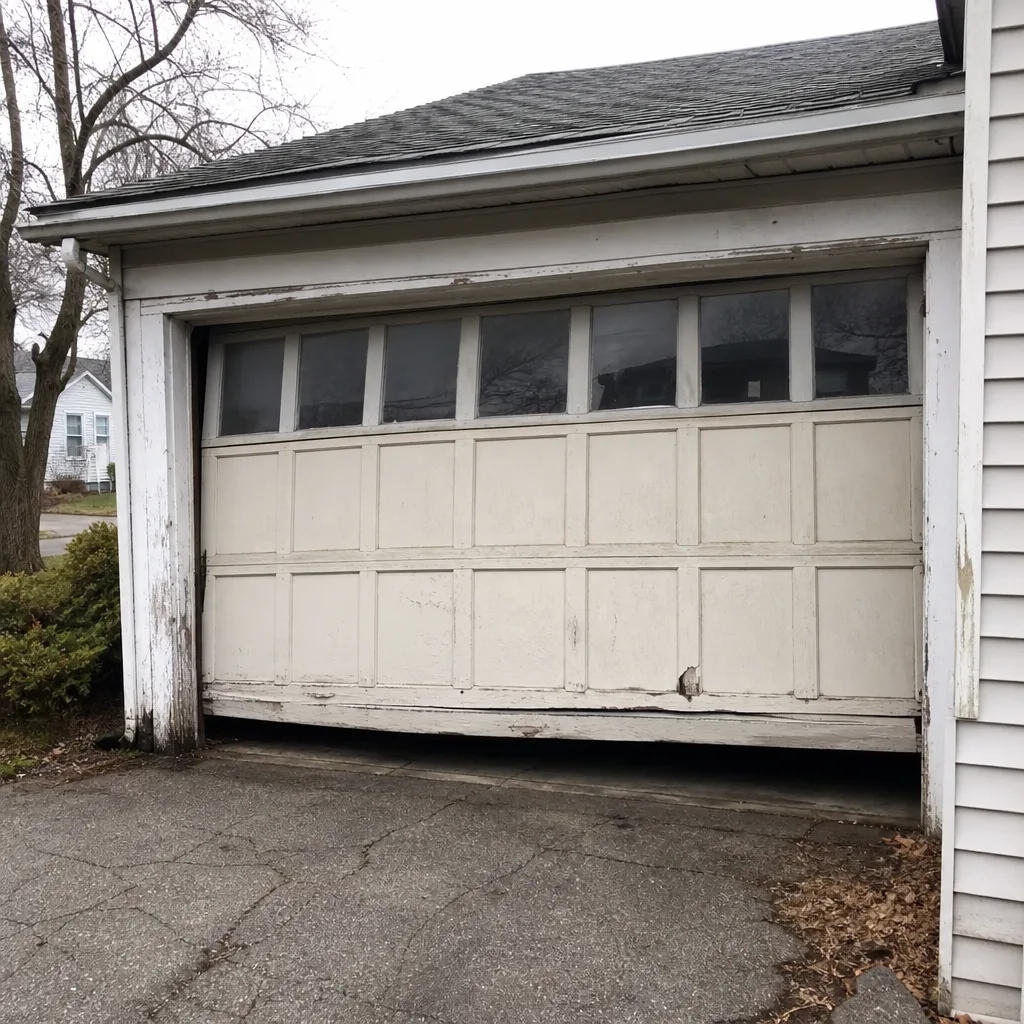 Before
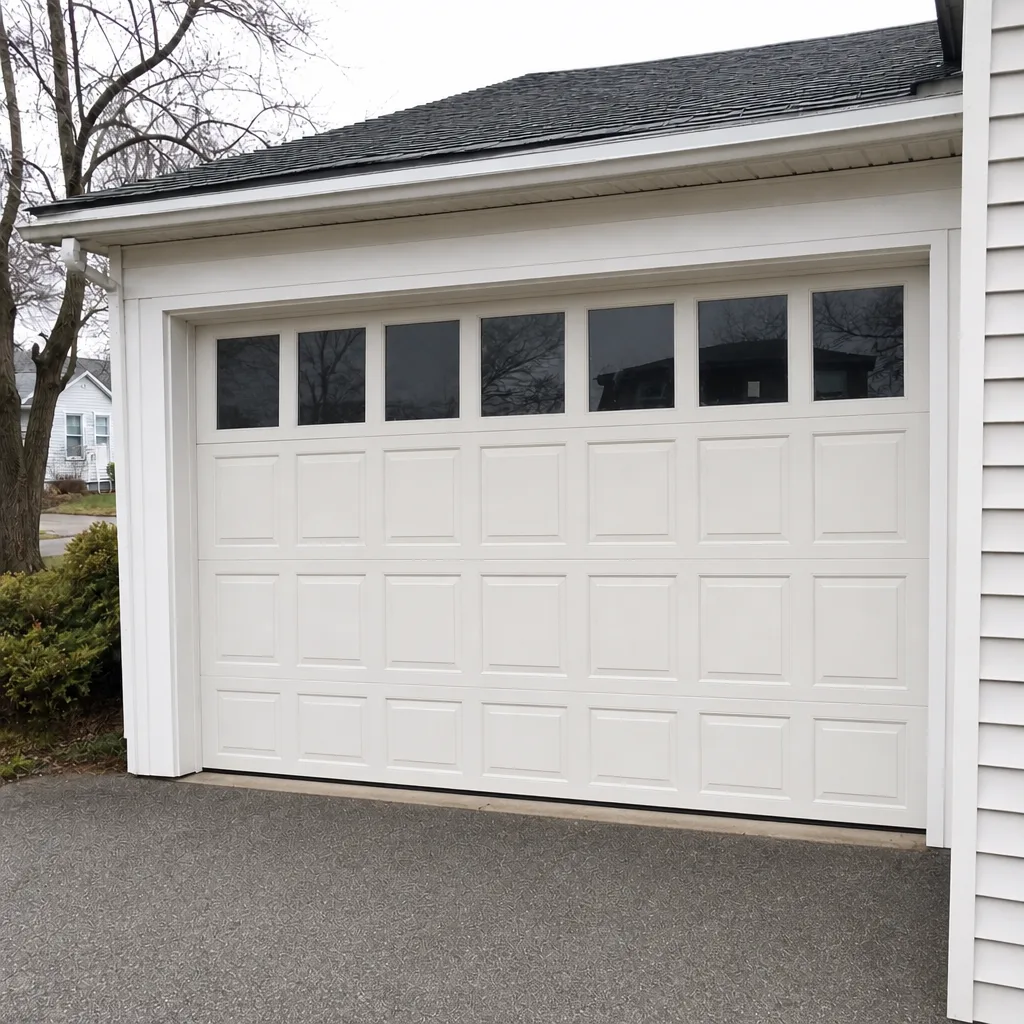 After
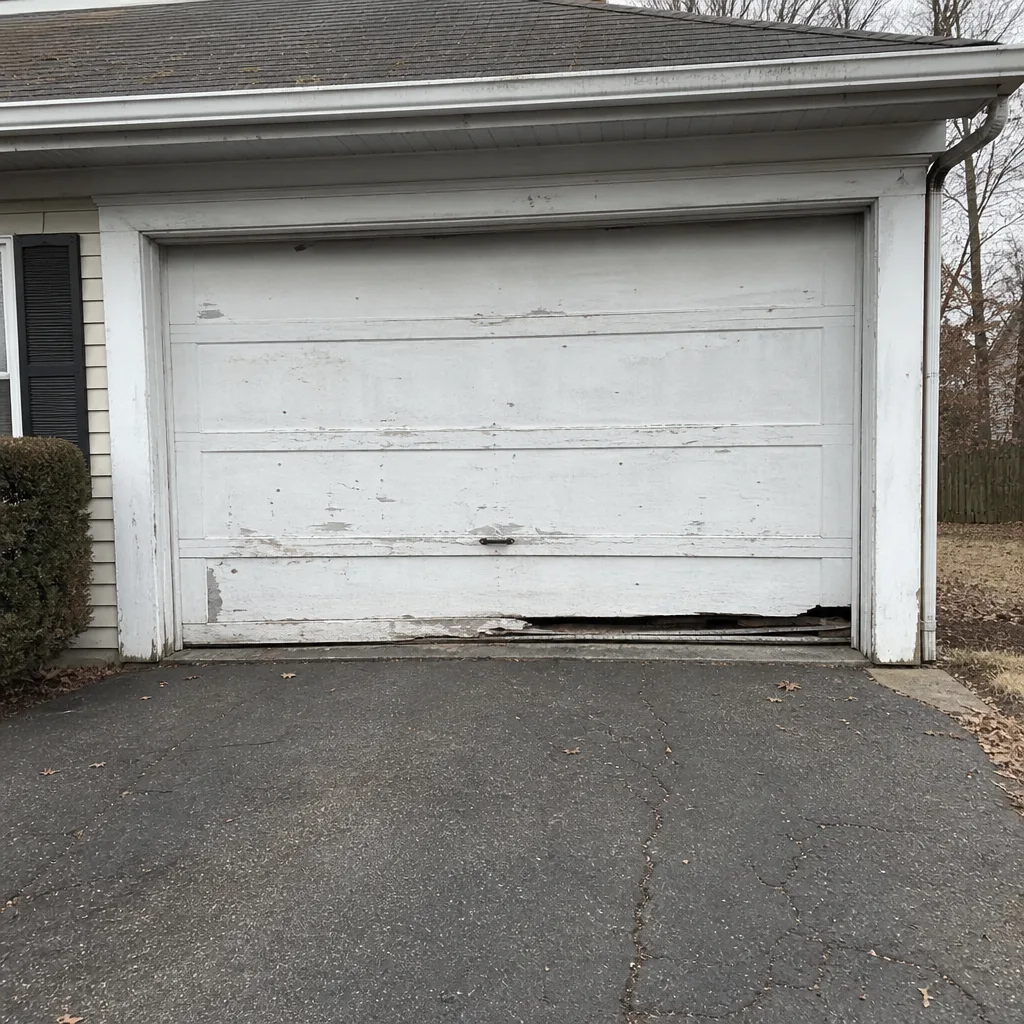 Before
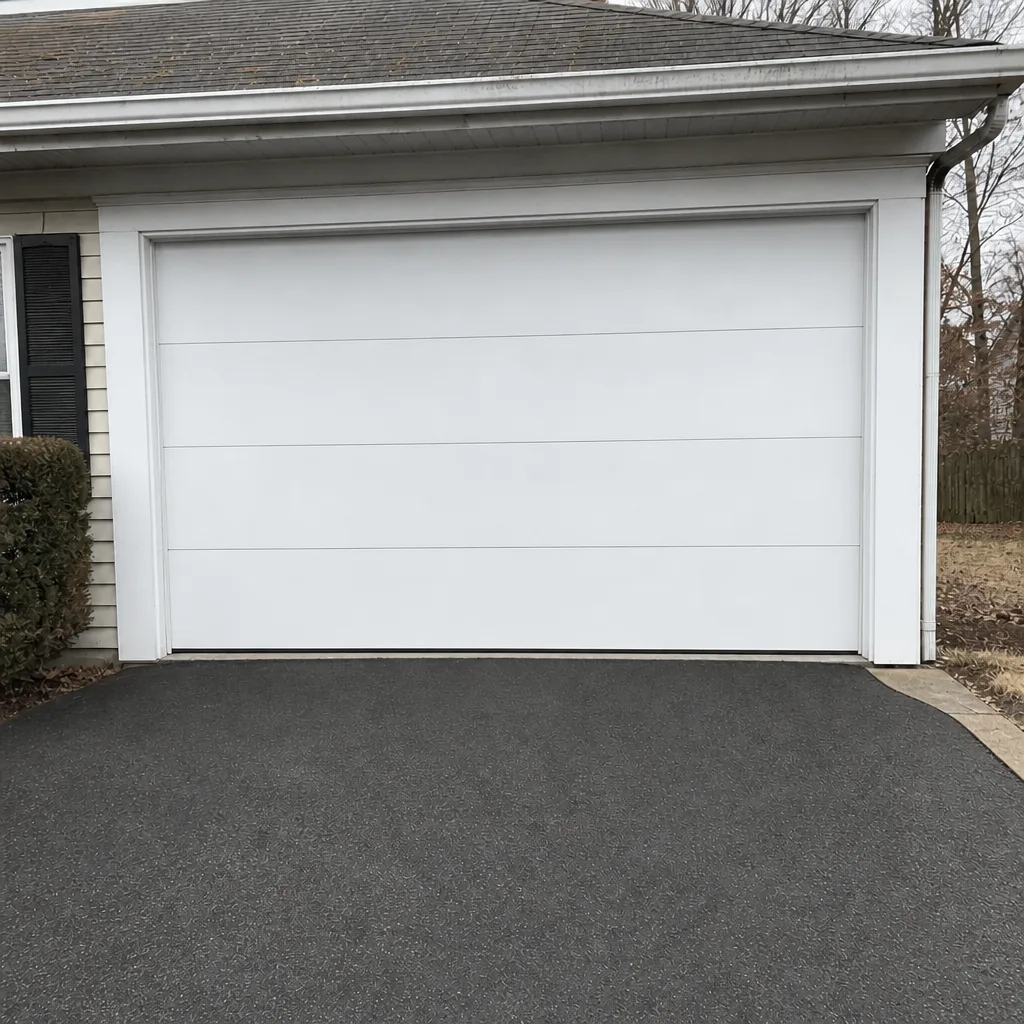 After
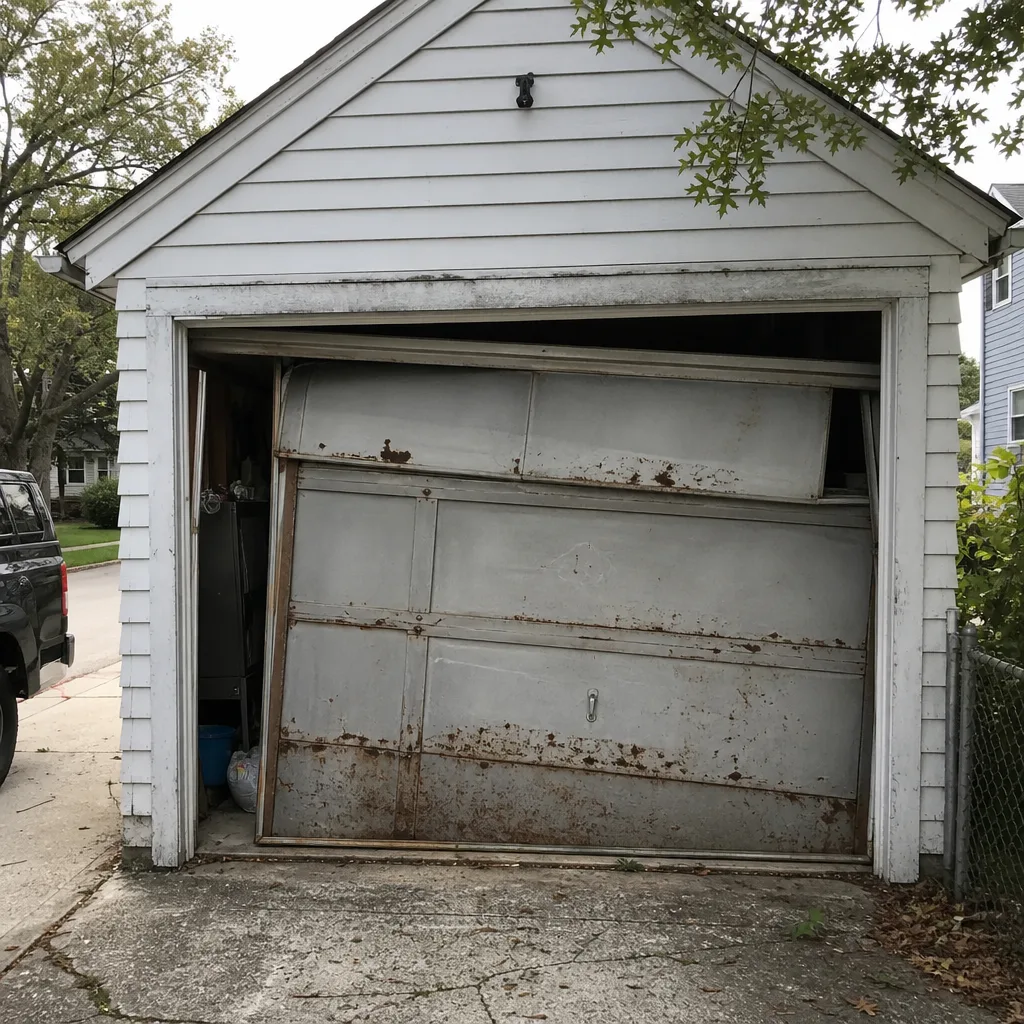 Before
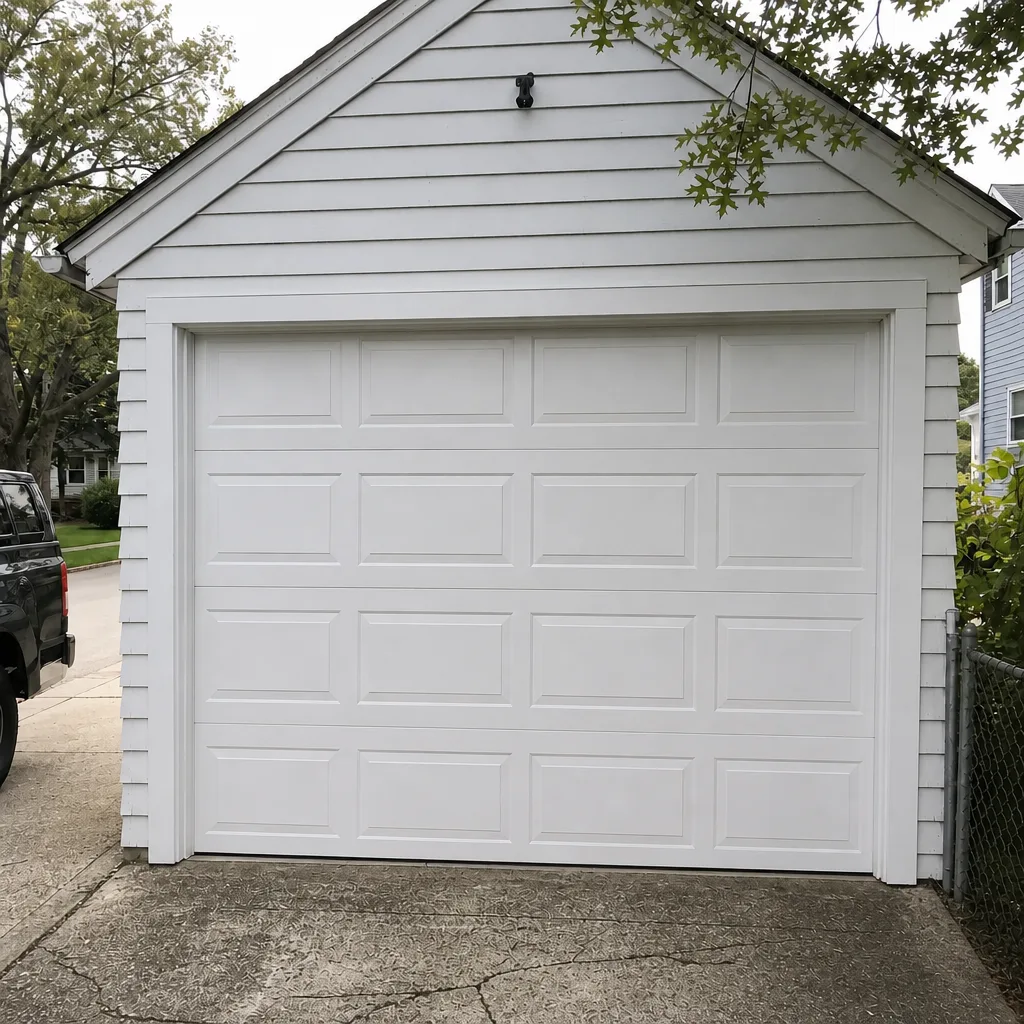 After