
Last updated November 20, 2026
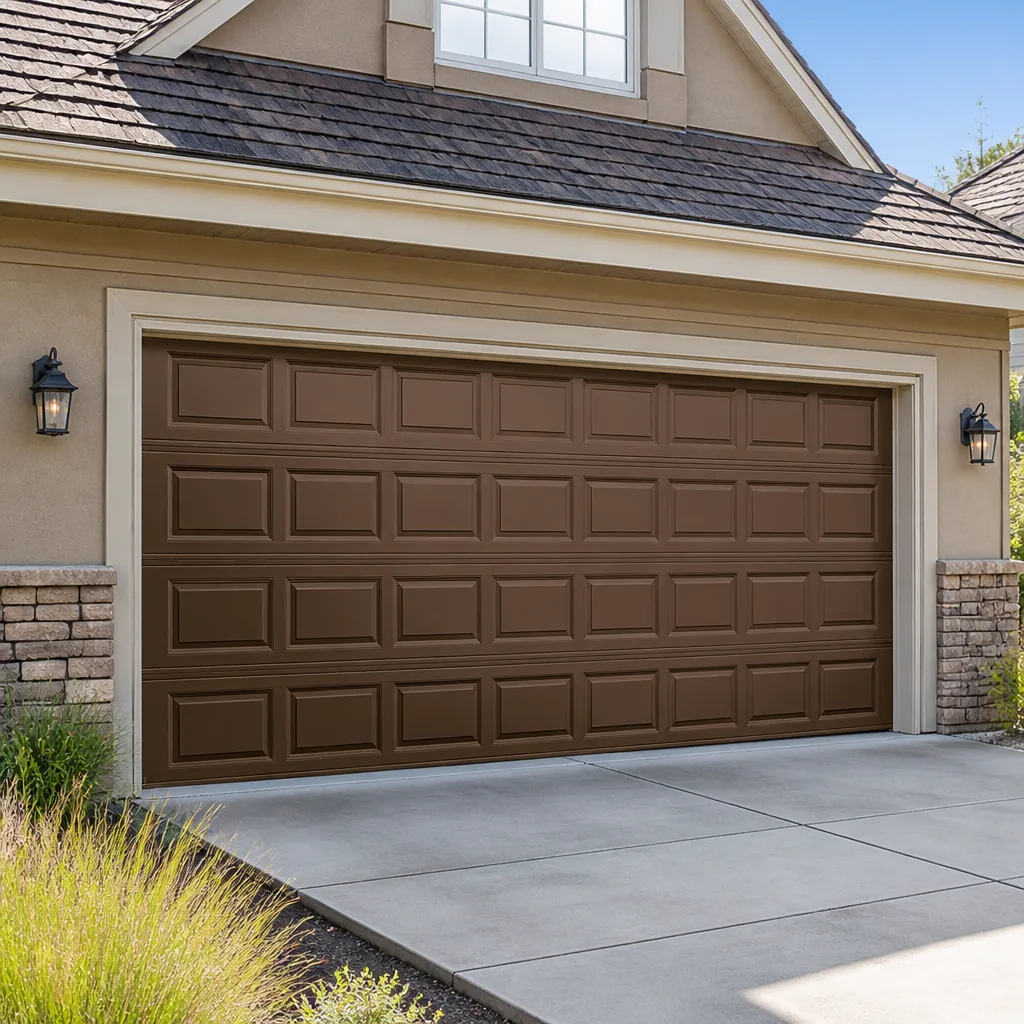 Raised-panel steel
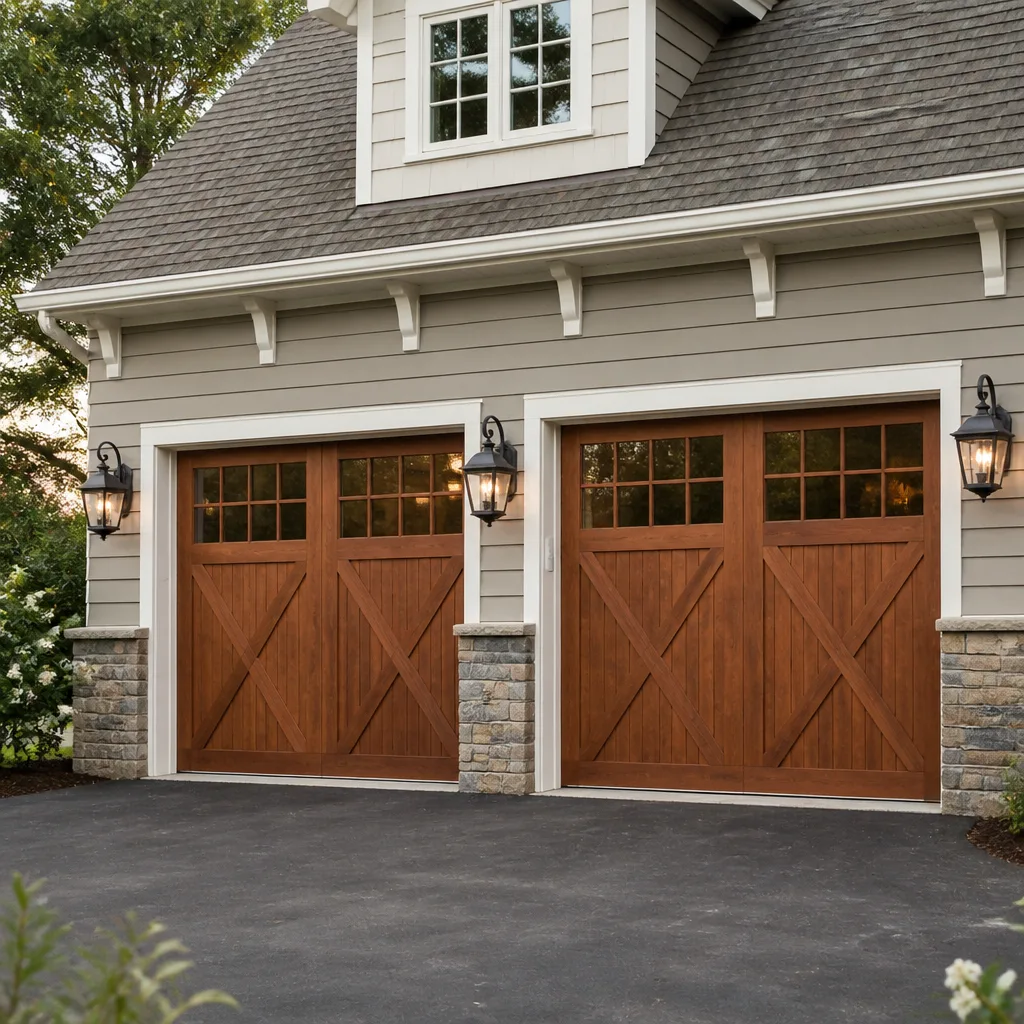 Carriage house
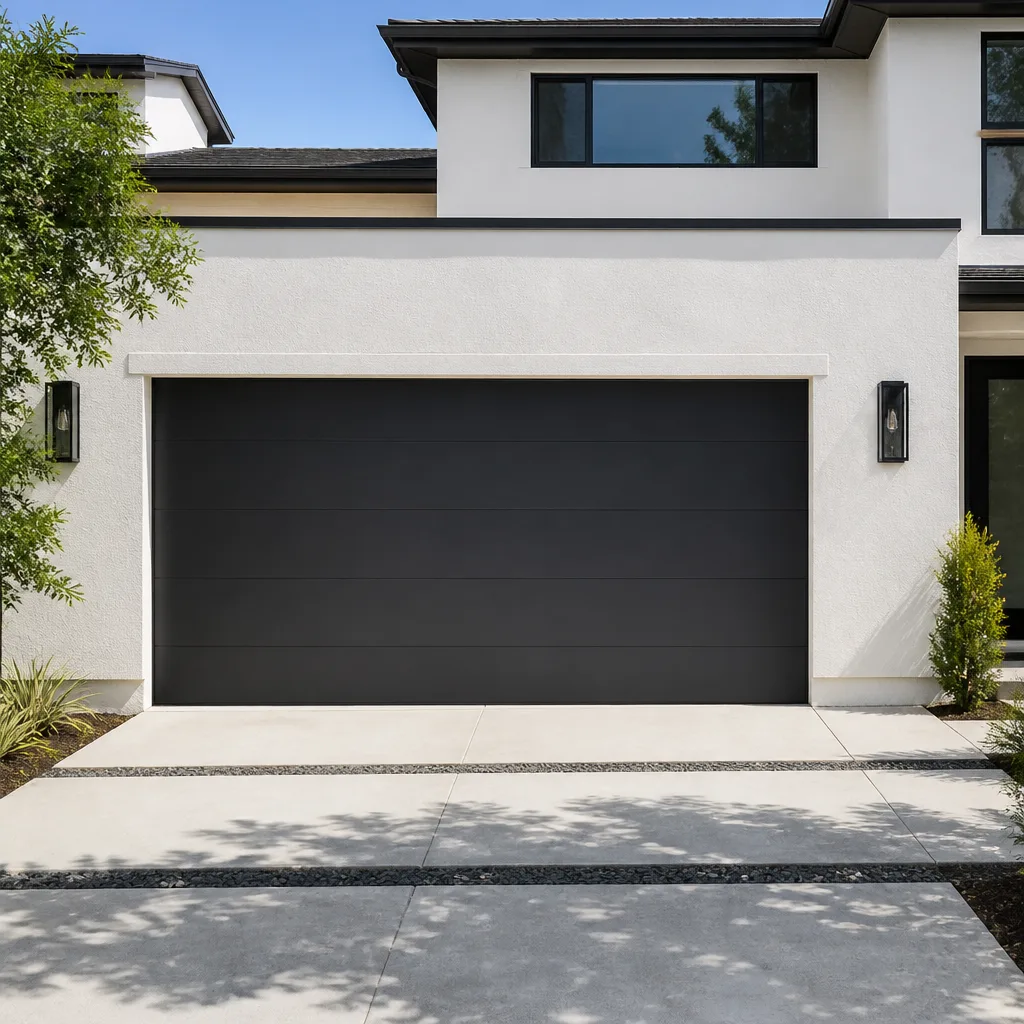 Modern flush
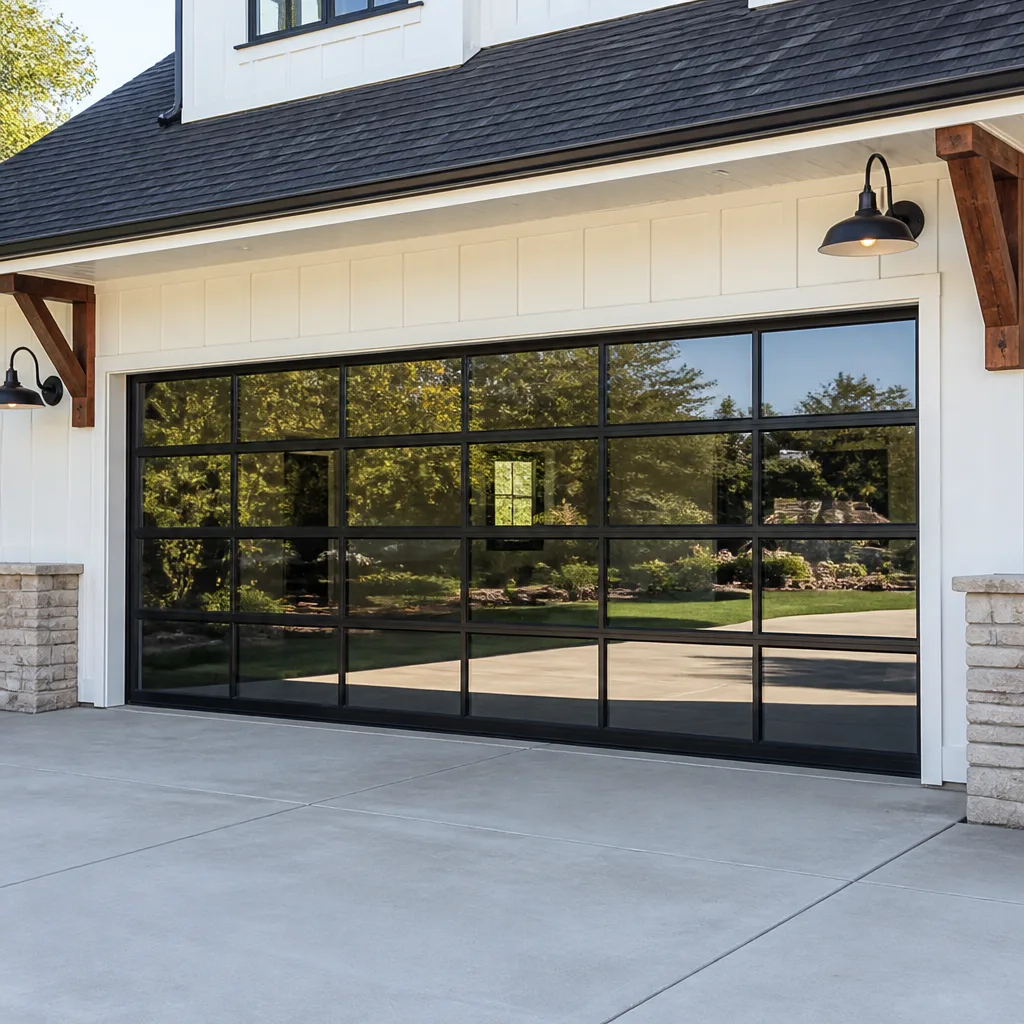 Full-view glass
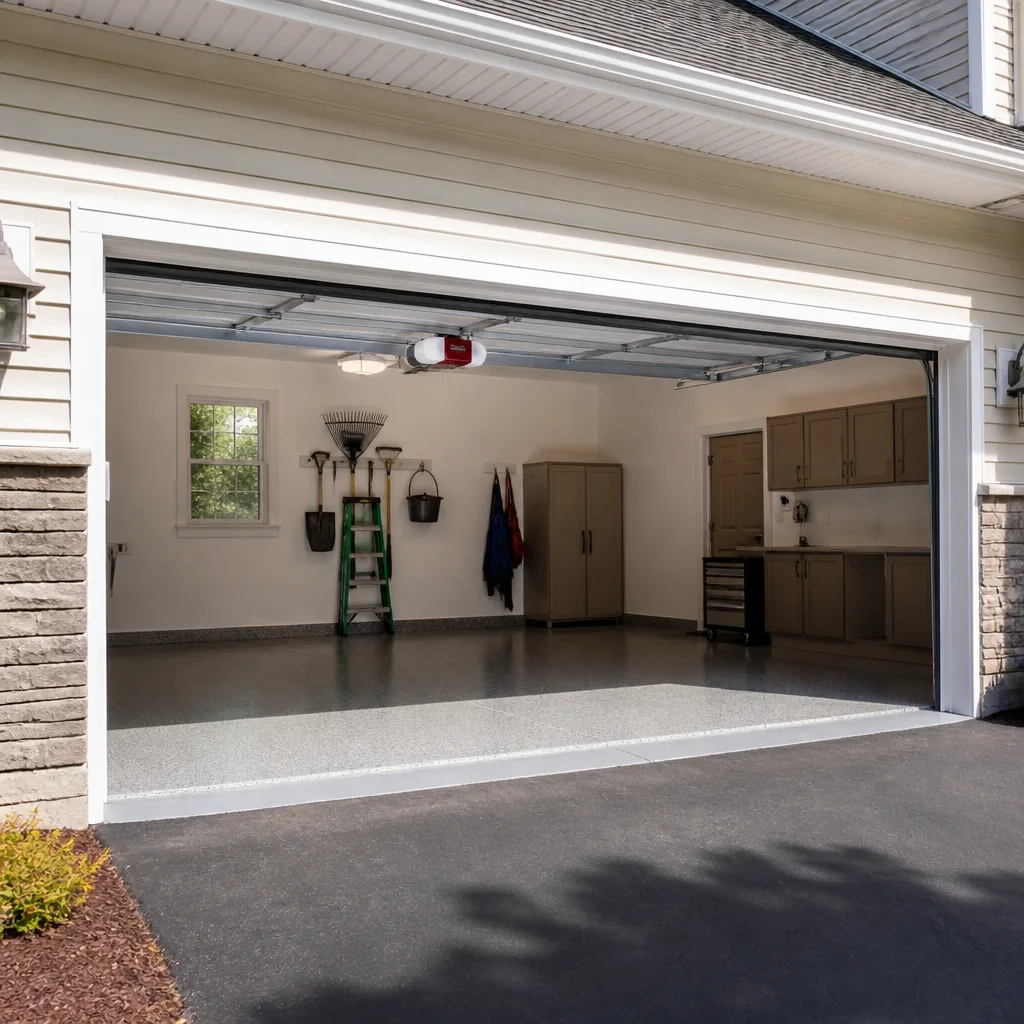 LiftMaster openers
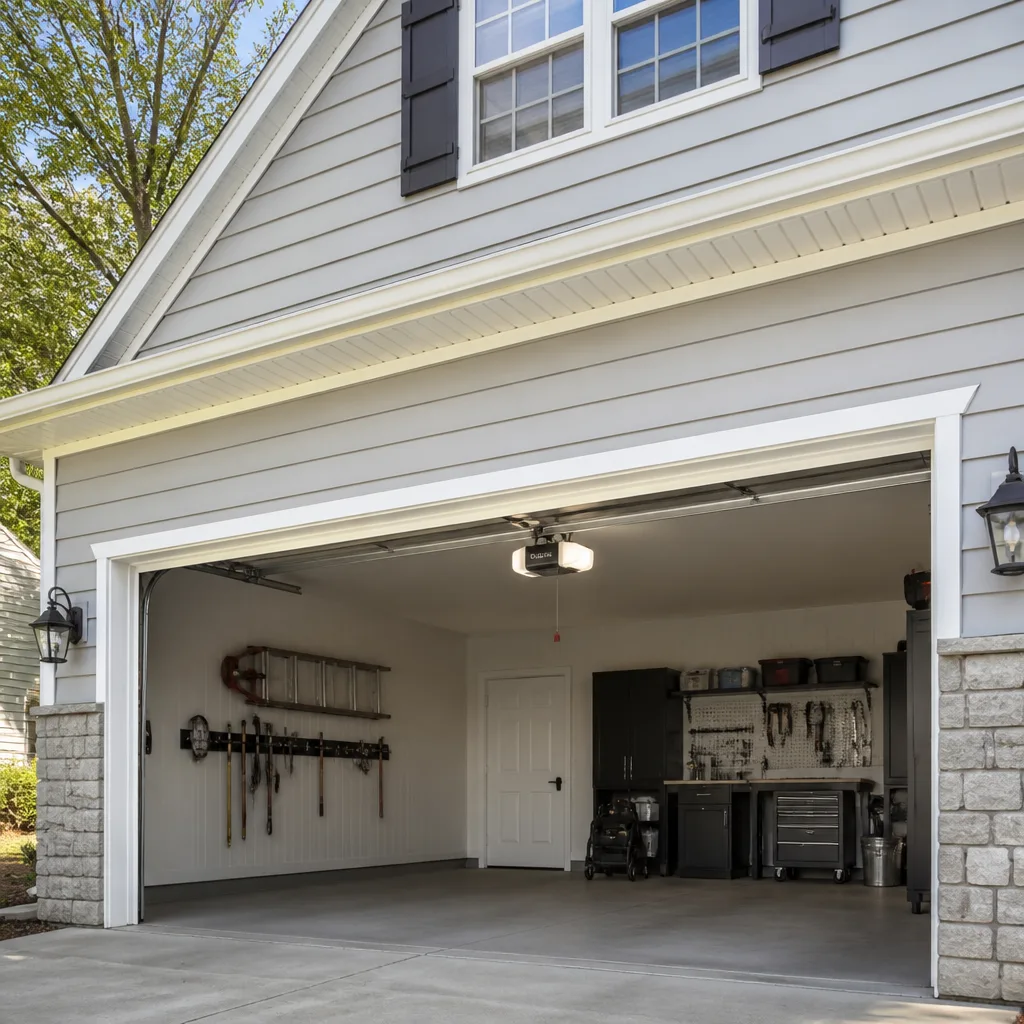 Chamberlain openers
Full 25-point door and opener safety check with every visit - springs, cables, rollers, tracks, and your LiftMaster or Chamberlain opener included
You get a price before we start. It does not change when the pro arrives.
Get your free estimateGarage Door Emergency Preparedness Guide for Norwood Homes
Most garage door emergencies in Norwood don’t announce themselves. They happen on a Tuesday morning with the car loaded and the school run clock running, or the night a nor’easter takes the power out and the door won’t budge. The homeowners who come through those moments with the least stress aren’t necessarily the handiest people on the block. They’re the ones who, weeks earlier, learned three things: where the manual release is, how the door actually moves once the opener is out of the picture, and who to call when the problem is beyond a pull cord. This guide walks through all three, plus the specific failure modes that catch Norwood homeowners off guard, from snapped torsion springs to tracks knocked out by a bumper. Read it once now, while nothing is wrong, and you’ll move a lot faster when something is.
Quick Answer
To be ready for a garage door emergency in Norwood, locate and test your manual release cord, store the emergency release key where you can reach it fast, and know how the door balances with the opener disengaged. If a spring snaps or a cable fails, keep people clear of the moving parts and call a trained technician instead of forcing the door. Garage door emergencies fall into two buckets: the ones you can manage safely on your own for a few hours, and the ones that need a professional before anyone touches the door.
Styles & brands we work with
- Raised-panel steel
- Carriage house
- Modern flush
- Full-view glass
- LiftMaster openers
- Chamberlain openers
Table of Contents
- How Do You Open a Garage Door During a Power Outage?
- The 10-Minute Preparedness Checklist to Do Right Now
- What Happens When a Spring Breaks Mid-Cycle
- How to Temporarily Secure a Door That Won’t Close
- When a Vehicle Takes Out a Track in Winter
- How Norwood Weather and Housing Shape Garage Door Failures
- When to Call a Professional
- Frequently Asked Questions
How Do You Open a Garage Door During a Power Outage?
The manual release cord disengages the door from the opener so you can lift it by hand. On a standard door there’s a red-handled cord hanging from the opener trolley, and pulling it slides the trolley free of the door arm. That part is simple. What trips people up is what happens after the power comes back.
Here’s the sequence for opening a door by hand during an outage:
- Make sure no one is standing under or beside the door. A door that has lost opener control can drop faster than expected.
- Pull the red release cord straight down and toward the door. You’ll feel the trolley release with a click.
- Lift the door slowly with both hands, keeping it centered on the tracks. A balanced door should lift with steady pressure and stay up on its own.
- If the door feels unusually heavy or won’t stay up, stop. That’s a sign of a spring or balance problem, and the door shouldn’t be forced.
- When you’re done, lower the door fully closed and re-engage the trolley by hand before restoring power.
That last step is where the mistake happens. Many homeowners pull the cord, get the car out, and drive off, leaving the trolley disengaged. The door is now disconnected from the opener and, depending on the model, may sit unlocked or allow the opener to run without moving the door. If the door is left open, that’s an obvious security problem. Our advice: re-engage the trolley the moment you’re back, before you do anything else. Push the door arm back toward the trolley until it clicks into place, then run the opener briefly to confirm the door moves with it.
The 10-Minute Preparedness Checklist to Do Right Now
This is the list we’d hand a Norwood neighbor if they asked what to do before anything goes wrong. It takes about ten minutes and covers the scenarios that come up most often.
- Locate the manual release cord. Stand under the opener and find the red handle. If it’s tangled, taped up, or too short to reach comfortably, fix that now. A cord you can’t reach is a cord that won’t help in a hurry.
- Test the manual operation with the door down. Pull the release, lift the door about halfway, and let it settle. It should hold in place without help. Re-engage when you’re done. If the door drifts down or feels heavy, the springs or cables need a look.
- Store the emergency release key somewhere you can find it in the dark. Many openers ship with a key that disengages the door from outside. Keep it on your car keys, not in a junk drawer. And test that it still turns.
- Know your opener’s override. LiftMaster, Chamberlain, and Genie units each handle battery backup and manual override a little differently. If your opener has a battery backup, confirm the battery still holds a charge.
- Check the wall-mounted control. Confirm the button inside the house actually works, and that it isn’t the only way in. If the keypad outside the door is dead, replace the battery.
- Clear the tracks and photo-eye path. Look for debris, cobwebs, or anything leaning against the tracks. Wipe the photo-eye lenses with a dry cloth.
- Note the door’s brand and model. If it’s a Raynor, LiftMaster, Chamberlain, or Genie system, jot the model number on a sticky note near the wall control. That way nobody has to squint at the sticker when it matters.
- Test the auto-reverse. Place a roll of paper towels under the door and close it. The door should reverse on contact. If it doesn’t, that’s a safety adjustment a technician should handle.
Doing this once makes the rest of this guide practical instead of theoretical. If your door fails any of these checks, call us and we’ll schedule a look.
What Happens When a Spring Breaks Mid-Cycle
When a torsion or extension spring snaps, the door loses the counterbalance that makes it liftable by hand. What you’ll hear is a loud bang from inside the garage, and what you’ll feel is a door that suddenly becomes much heavier. Depending on the spring configuration, the door may travel a few inches more or drop partway and jam. The important thing to understand is that a broken spring doesn’t usually make the door completely unmovable. It makes it dangerous to move without help.
Here’s what to check, and what not to do:
- Don’t try to lift the door alone. A door with a broken spring can weigh well over a hundred pounds, and the effort pushes unevenly on the tracks and cables. If the door has to come up for a car to get out, it takes two people lifting slowly and evenly on the bottom section, and only if the door is still balanced on both tracks.
- Look before you lift. If a cable is off its drum or wrapped around a shaft, don’t lift the door. The cable can snap the rest of the way and whip. Stop and call.
- Know what a cable route looks like on your door. On a torsion setup the cables run from the bottom corners up to drums on the shaft above the door. If either cable is visibly loose or off its drum, the door should stay where it is until a technician arrives.
- Keep the door closed if you can. A door resting closed is the safest state after a spring failure. The garage stays locked and the door isn’t going to drop.
Spring repair is the most mechanically dangerous work in this trade. Torsion springs store a lot of energy and need specialized winding bars and training to handle safely. We don’t recommend homeowners touch the springs themselves, and we don’t hand out steps for it. If a spring has broken in Norwood, the safe move is to close the door if it isn’t already closed, keep the area clear, and schedule garage door spring repair with trained hands.
How to Temporarily Secure a Door That Won’t Close
A door that won’t close is a locked-home problem. If the door has come off a track, lost a lift cable, or jammed partway up after a cable failure, you may not be able to run it down to the closed position, but you can still keep the garage secure until help arrives. This is an interim fix, not a repair.
- Manually lower the door as far as it will go. Pull the release cord and lower slowly. If the door jams halfway down, don’t force it; that usually means a bent track or a cable hanging loose.
- Prop or brace the door if it won’t stay down. Use a sturdy object against the bottom panel to keep the door from creeping back up. A folded step ladder or a heavy storage bin works; avoid anything that could tip. Don’t use your car as a prop.
- Lock the door on the outside if you can. Many residential doors have a manual slide lock that still works when the opener doesn’t. If yours has one, engage it. A slide lock on a door with a broken spring should only be used once the door is fully closed.
- Block the vehicle from moving. If the door is open and a car is inside, don’t drive out unless the door clears safely. The bottom panel can catch on a bent track as the car rolls forward.
- Add a secondary lock. A pair of vice-grips clamped onto the track just above a roller on each side is a common interim brace so the door can’t roll up. Don’t do this on a track that’s already bent out of shape.
Everything above buys you a few hours of security. None of it substitutes for a proper repair. If the door is off its tracks, stay out of the way of it, and schedule garage door repair as soon as you can.
When a Vehicle Takes Out a Track in Winter
Winter in Norwood brings a specific recipe for track damage: a driver misjudges the door opening in the dark, nicks a corner of the door with the bumper, and the roller pops out of the track on one side. The door then sits stuck, often open, with one corner hanging. Cold weather makes this more likely for two reasons. Doors get sluggish in the cold as lubricant thickens and the opener works harder, and snow banks narrow the driveway, so drivers edge closer to the frame.
If a vehicle impact knocks a track out of alignment this winter, here’s the priority order:
- Check the door and the car first. If anyone is hurt or the door is at risk of falling, keep everyone back from it and call for help.
- Don’t run the opener. The opener will try to lift or lower a door that’s off-track and make the damage worse. Leave it.
- Reduce the opening if you can’t close the door. If the door is stuck open, brace the bottom panel or hang a temporary cover over the opening so the garage doesn’t sit exposed. Don’t try to muscle the door back onto the track yourself; bent tracks usually need replacing, and forcing them risks further damage to rollers and hinges.
- Clear snow and ice from the threshold. Ice under the bottom seal can push the door out of alignment further. Get it off with a plastic scraper and keep the area clear until a technician arrives.
- Look at the brackets. If any of the vertical or horizontal track brackets have pulled away from the wall or the ceiling, don’t try to tighten or re-hang them. Those brackets carry the door’s weight.
If the opener itself is behaving oddly after a bump or impact, that’s worth mentioning when you call for a technician. Sometimes the door and the opener both take a hit; sometimes it’s one or the other. Because we handle both, you don’t have to coordinate two separate contractors. We schedule garage door opener repair and door repair on the same visit whenever the diagnosis points that way.
How Norwood Weather and Housing Shape Garage Door Failures
Norwood’s climate is a genuine factor in how garage doors age and fail. Summer humidity swells wood and warps some panel materials. Winter freeze-thaw cycles work on the bottom seals and hinges, and any snow or ice that gets packed under the door puts pressure on the frame. The town’s older housing stock, especially in neighborhoods around Norwood Center and along Washington Street, tends to have garage doors that have been through many winters without a tune-up. Those are the doors where the spring is closest to failure, and where the photo-eye lens gets coated in road grime and stops working.
There’s a practical side to this. A door that has just come out of a cold, wet stretch should be checked before the next one. Look for rust on the hinges or rollers, cracked weatherstripping at the bottom, or a door that suddenly doesn’t close evenly. Those are early warnings. A door that starts making noise in the fall, or a door that needs a touch more effort to lift than it used to, is telling you a spring is tired.
Norwood also has areas with older layouts where the driveway is tight against the house, and warm-weather landscaping crowds the door. That combination means limbs, planters, and kids’ bikes find their way under the photo-eye beam more often than in a newer subdivision. The photo-eye is a safety device; if the beam is broken, the door shouldn’t close. Clearing the beam is a two-minute fix. If the beam is clear and the door still won’t close, it’s likely the sensor itself or the opener logic, and that’s a job for a technician.
See the difference
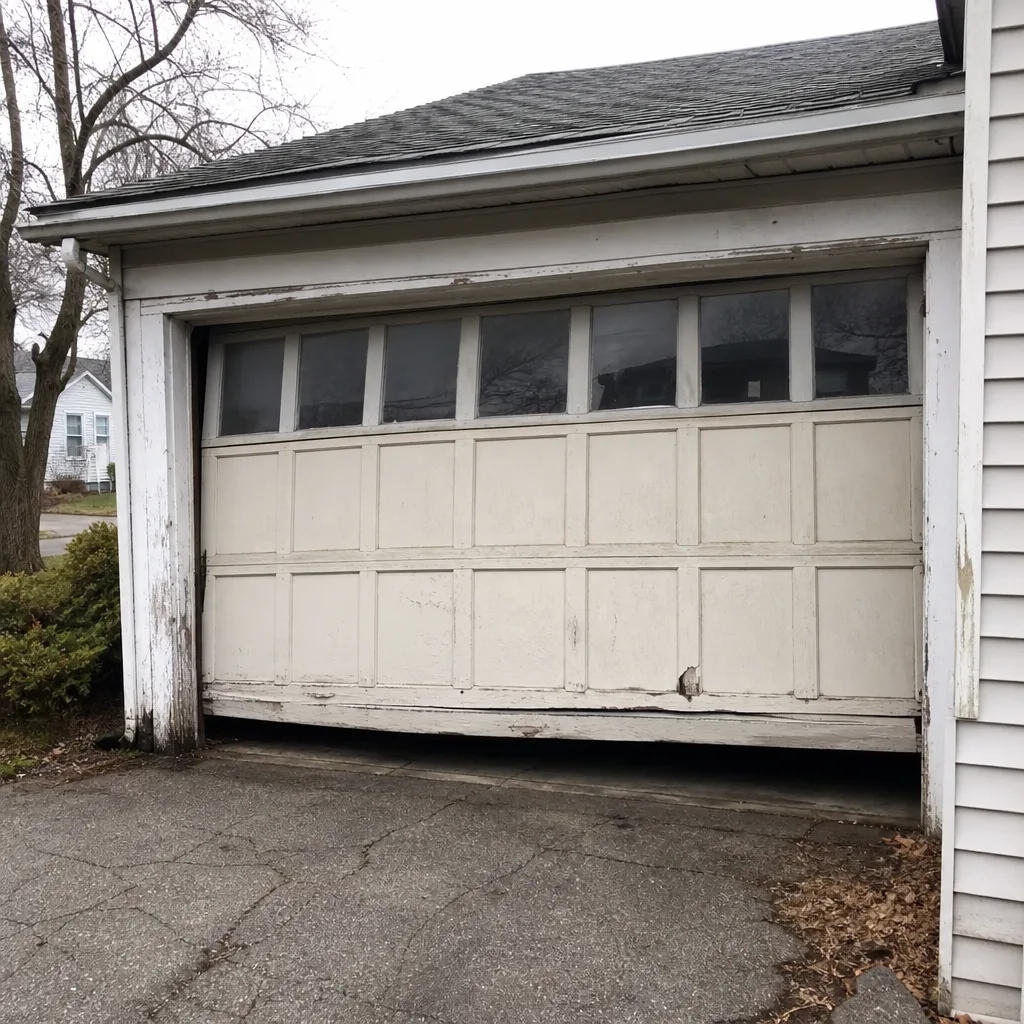 Before
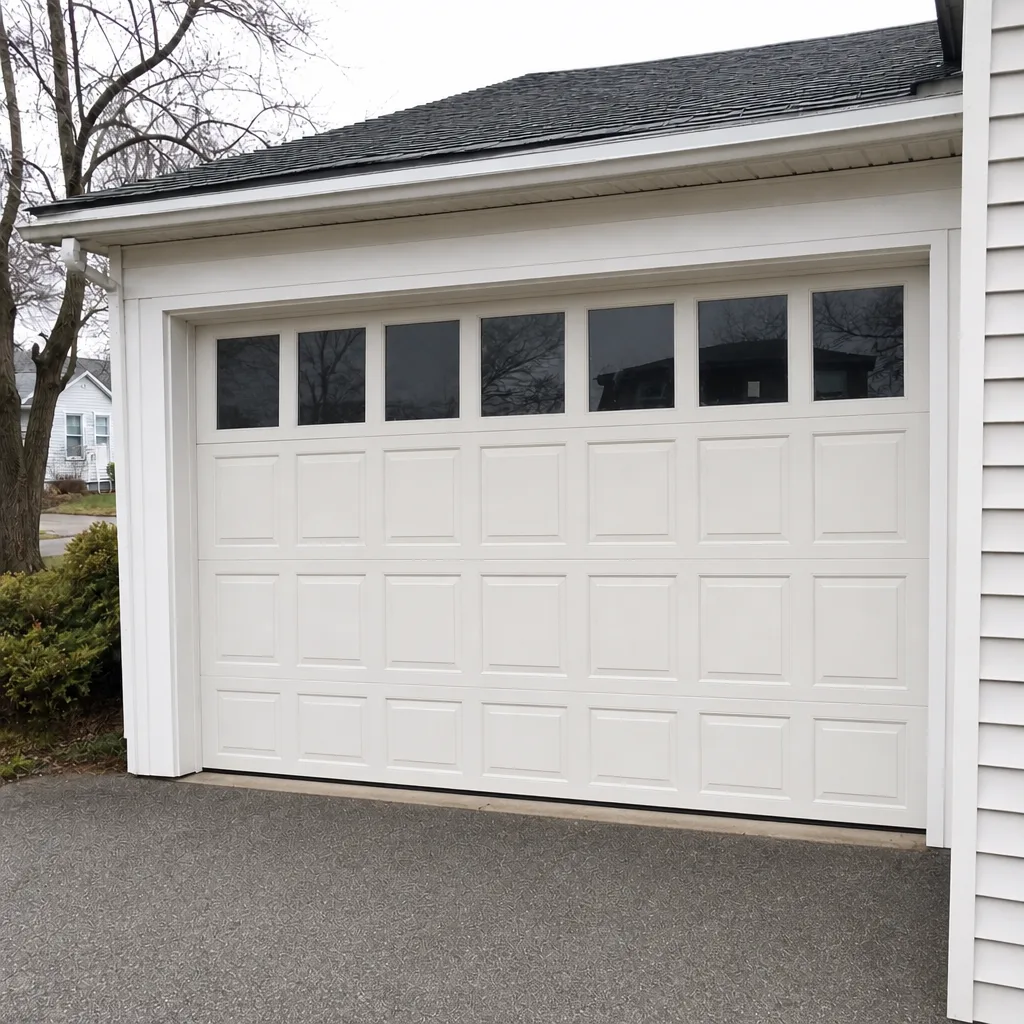 After
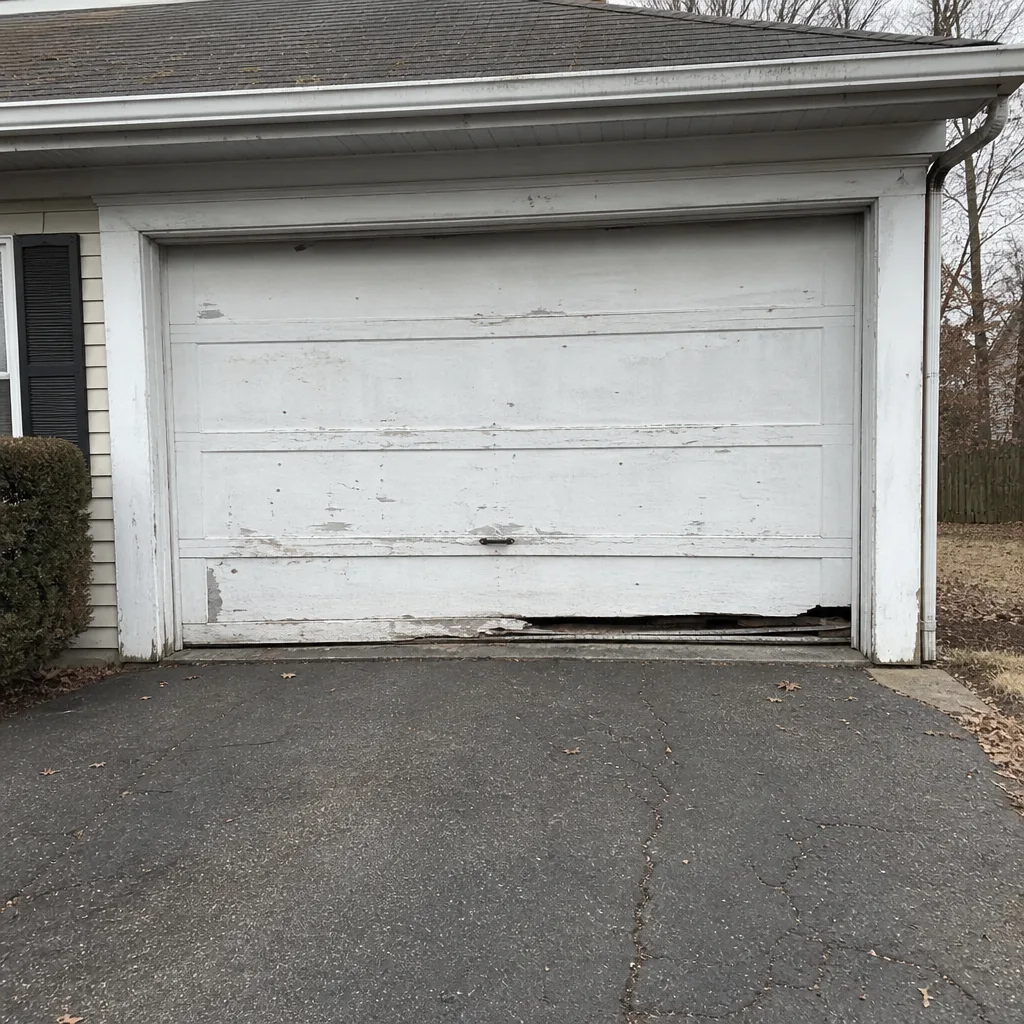 Before
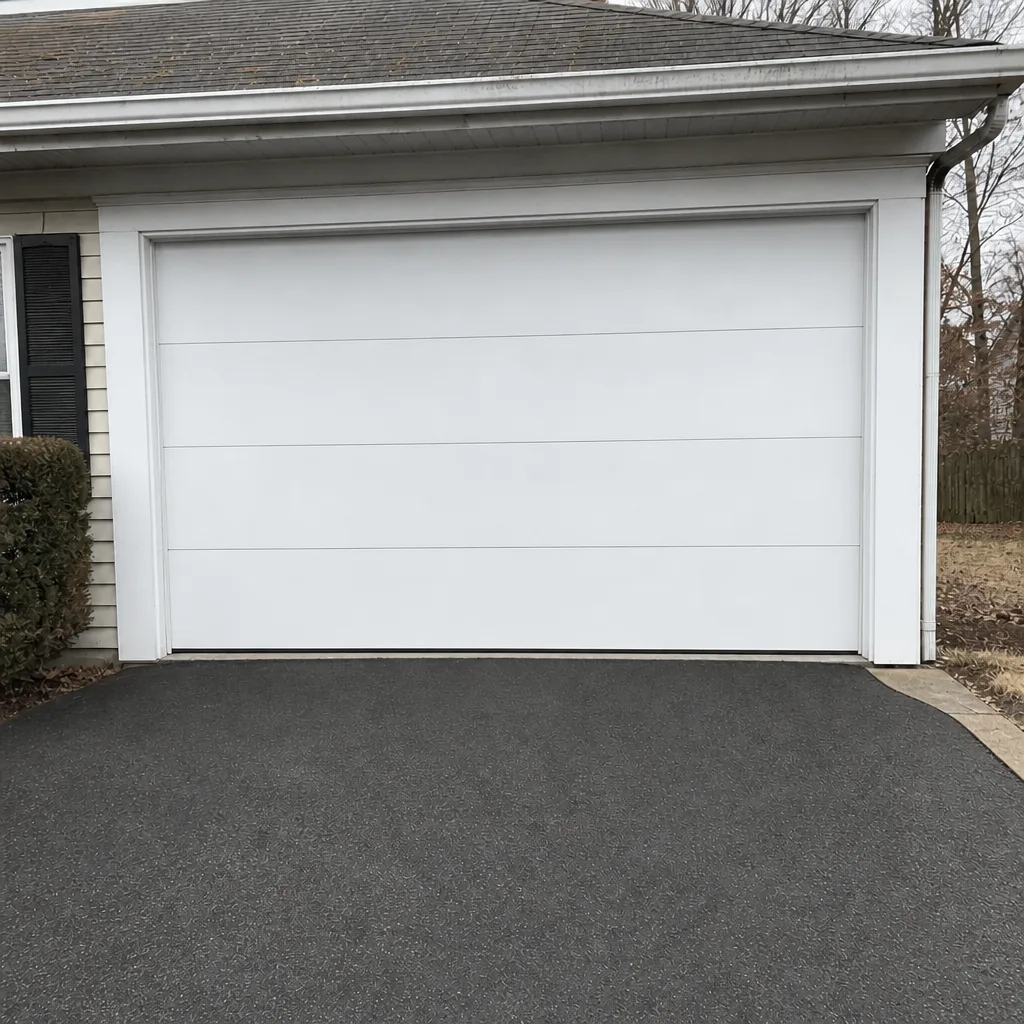 After
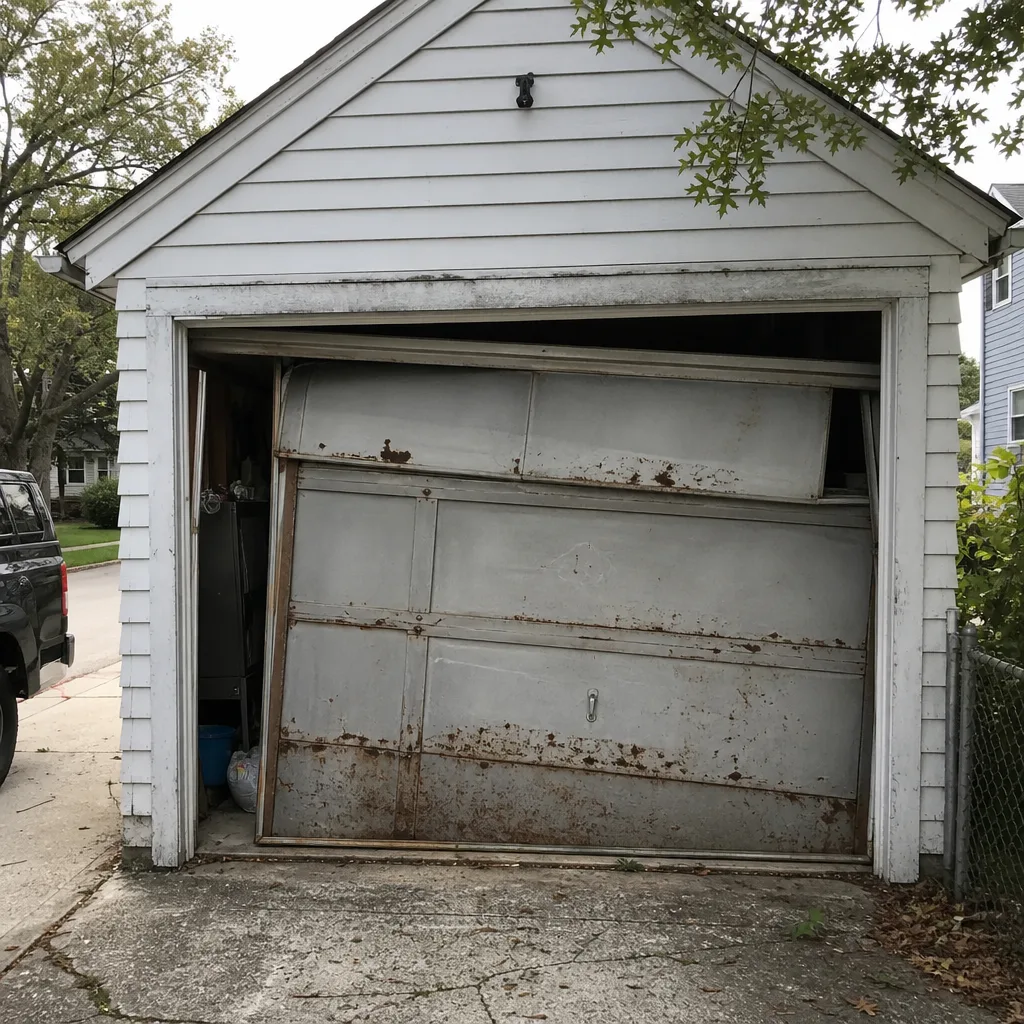 Before
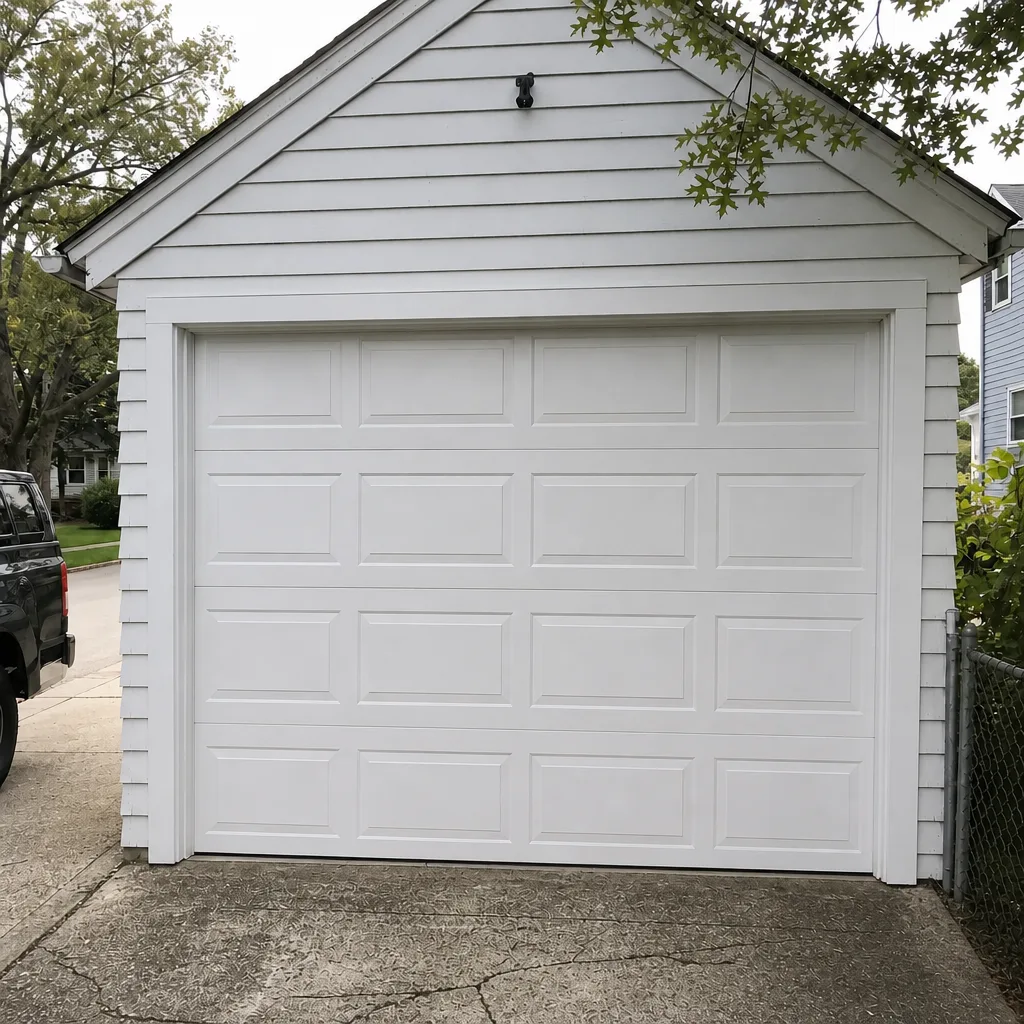 After
Common Mistakes to Avoid
- Pulling the manual release and never re-engaging it. This is the single most common post-outage mistake. The opener runs, the door doesn’t move, and nobody notices until they’re late for something. Always push the trolley back into place before you leave.
- Testing manual operation on a door with a broken spring. A door that lost its spring has lost its counterbalance. Testing the balance by lifting it is a good idea on a healthy door and a bad one on an injured door.
- Trying to push a door back onto a bent track. Forcing a door onto a damaged track bends rollers and hinges, and sometimes pulls the track further off its brackets. Leave that for the technician.
- Assuming emergency means night. Emergencies at 6am and mid-afternoon happen just as often as at 11pm. A door that traps the car before work has to be solved now, and the planning you do in advance pays off regardless of time.
- Lubricating springs, cables, or tracks with the wrong product. Grease attracts grit. Tracks should be clean and dry. Springs need a specific light lubricant, and many well-meaning homeowners use the wrong stuff. Ask before spraying.
- Ignoring a slow-closing door. A door that has become noticeably slower or noisier is usually telling you a spring or roller is on its way out. Catching it early is cheaper than catching it after a snap.
- Calling a general handyman for spring work. Springs and cables need specialized tools and training. This isn’t a task for a general repair person, and it isn’t one to take on solo.
When to Call a Professional
Call a professional when the door won’t move, when you can see a broken spring, when a cable is off its drum, when the door has come off a track, or when the opener has failed and manual release doesn’t fix it. You should also call when the door moves but feels wrong: heavy, uneven, or prone to reversing for no reason. If a car has bumped the door and the track looks bent, call before driving through the opening again. Spring and cable work isn’t a DIY-safe job, and a door that stays secure matters more than saving a phone call. Norwood Garage Door Repair offers free estimates in Norwood. We work on the brand you already have, including LiftMaster, Chamberlain, Genie, Raynor, Clopay, Amarr, Wayne Dalton, and Craftsman, so you won’t hear “we don’t service that.” Call (866) 783-4096. We answer 24/7. Fast dispatch from 7am to 7pm, Sunday through Friday.
Frequently Asked Questions
Yes. Find the red manual release cord hanging from the opener trolley, pull it down and toward the door, then lift the door slowly with both hands. A balanced door should stay up on its own. When you’re back, push the trolley back into place before restoring power. Call (866) 783-4096 if the door feels heavy or won’t stay up; that’s usually a spring problem.
Keep everyone away from the door, leave it closed if you can, and don’t try to lift or force it. A broken spring means the door has lost its counterbalance, and lifting it unevenly can cause further damage. Call (866) 783-4096. We answer 24/7. A call outside dispatch hours is booked into the next opening, Sunday through Friday, 7am to 7pm.
The most common reasons are a snapped spring, a photo-eye alignment issue, or a travel limit that’s out of adjustment on the opener. If the door moves a little and then reverses, start by checking whether the photo-eye lenses are clean and aligned. If the door opens and stops without reversing, the springs are the likely culprit. Call (866) 783-4096 for a diagnosis.
In many cases yes, especially for spring and opener repairs where we can get to you during dispatch hours. A call during dispatch hours often gets the same-day slot. If the door needs a new panel or a full replacement, we’ll measure and schedule it with a written price. Call (866) 783-4096 with the door’s brand and a quick description of the problem.
Yes. Norwood technicians are trained on the major brands, including LiftMaster, Chamberlain, Genie, Raynor, Clopay, Amarr, Wayne Dalton, and Craftsman. Our technicians have up to 15 years of experience. If your opener or door is one of those, we can diagnose it without sending you elsewhere. Call (866) 783-4096.
Norwood’s freeze-thaw winters, older housing stock, and tight driveways combine to make certain failures more common here than in newer suburbs: springs wear faster, photo-eyes get dirty and misaligned more often, and vehicle impacts into tracks happen as snowbanks narrow driveways. Planning for those specific scenarios is the difference between a 20-minute inconvenience and a locked-home day. Call (866) 783-4096 if you’d rather just have us look at the door.
The Bottom Line
Most garage door emergencies in Norwood come down to three things: a spring that failed, a door that lost opener control, or a track that got hit. In each case, the homeowner who already knows the manual release, the trolley re-engagement step, and the way the door should feel when it’s healthy moves faster and stays safer. Do the 10-minute checklist now, check the door after every cold snap, and call before you force anything. When the door won’t open and you need it open, call Norwood Garage Door Repair at (866) 783-4096. Free estimates, upfront pricing agreed before any work starts, and we work on the brand you already have.
Written by the team at Norwood Garage Door Repair.